Scrap Yard Profits Mississauga: Beat Single-Buyer Offers
Stop Leaving Money on the Table: How Canadian Scrap Yards Can Maximize Every Load
Most scrap yards in Canada are losing money before the first call is even made. Not because their material is bad — because their process is. One buyer, one price, no competition. That's not a sales strategy. That's a guess.
If you're sitting on mixed lots of non-ferrous, a pile of catalytic converters, or a container of copper scrap, you already have value. The question is whether you're capturing it. For yards in Mississauga and across Ontario, the gap between what you're getting and what the market will actually pay can be significant — and it's almost always a process problem, not a material problem.
This guide breaks down exactly how to get more from every load, from documentation and lot preparation to using a B2B scrap metal marketplace that puts buyers in competition for your material. Whether you're recycling copper wire, non-ferrous metals, or high-value cats, the same principles apply.
Know What You Have Before You Post It: Documenting Your Scrap Lots
Buyers pay more when they know exactly what they're buying. That's not a opinion — it's how every market works. Ambiguity creates risk, and buyers price risk into their offers. If your listing says "mixed catalytic converters — misc lot," don't be surprised when bids come in conservative.
Documentation is the single highest-leverage thing you can do before a sale. Here's what a well-documented lot looks like:
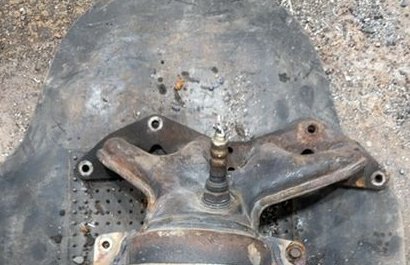
- Photos from multiple angles — top, bottom, serial number face, and any damage
- Serial number tracking — especially critical for catalytic converters, where PGM content (platinum, palladium, rhodium) varies enormously by vehicle make and model
- VIN lookup data — knowing the vehicle source helps buyers estimate the PGM load accurately
- Accurate weights — verified on a calibrated scale, with tare documented
- Packing lists and BOLs — essential for larger lots moving across provincial or international lines
- Condition notes — cracked substrates, foiled cats, aftermarket units — note it all upfront
SMASH builds these documentation tools directly into its platform. Serial tracking, photo uploads, and VIN lookup are part of how sellers build a lot before it goes to auction. When buyers see a well-documented listing, they bid with confidence — and confident buyers bid higher.
For yards doing regular volume in Mississauga or elsewhere in Ontario, this process pays dividends across every single sale, not just the big loads.
Catalytic Converter Prices: Why Your Current Buyer Probably Isn't Your Best Buyer
Let's talk about cats specifically, because this is where the gap between the old way and the SMASH way shows up most clearly.
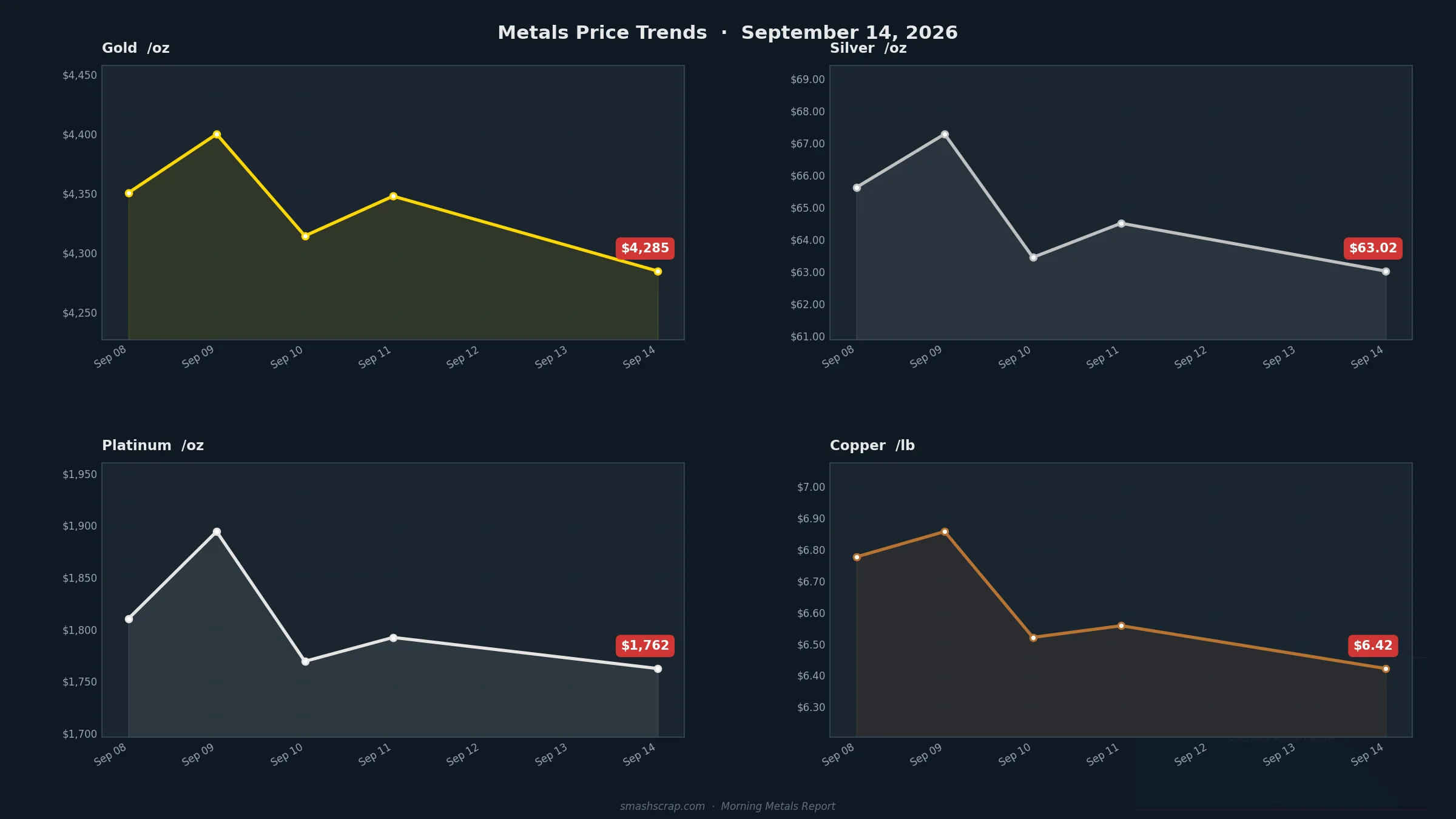
Catalytic converter prices are driven by three precious metals: platinum, palladium, and rhodium. PGM markets move constantly. Rhodium in particular can swing dramatically — and a converter that was worth a certain amount six months ago may be worth significantly more or less today depending on spot prices and supply chain dynamics. If you're still calling the same buyer every week and accepting their quote without any market context, you're flying blind.
The better approach:
- Track serial numbers on incoming cats — every converter has a unique profile based on manufacturer and substrate loading
- Separate your lots by OEM vs. aftermarket, foiled vs. clean, high-value foreign vs. domestic — don't bundle them if they don't belong together
- Check current PGM spot prices before pricing any lot — platinum price, palladium price, and rhodium price all factor into what your material is actually worth
- Put them in front of multiple buyers — this is the part most yards skip, and it's the most expensive mistake
If you're wondering can I recycle my old catalytic converter through an online platform, the answer is yes — and it's often the better option than a local one-buyer arrangement. Sell your scrap metal on the SMASH marketplace and get vetted buyers bidding on your cats based on documented lot data. That's price discovery. That's how you stop guessing.
For reference, organizations like the Ontario Automotive Recyclers Association (OARA) and the Automotive Recyclers of Canada (ARC) have long advocated for documentation and compliance standards in catalytic converter recycling. Those standards aren't just about compliance — they're about protecting the value of your material and keeping the chain of custody clean for downstream buyers.
Metal Recycling Prices in Canada: What's Driving Value in 2026
Understanding what's moving metal recycling prices in Canada right now helps you time your lots and set realistic expectations. In 2026, a few forces are shaping the market:
- Non-ferrous demand remains strong — copper, aluminum, and stainless are all driven by global manufacturing and infrastructure spending
- PGM volatility — platinum, palladium, and rhodium prices continue to fluctuate based on auto production trends, hydrogen fuel cell development, and mining output from South Africa and Russia
- EV transition effects — the shift toward electric vehicles is changing catalytic converter scrap volumes and mix over time, which creates both challenges and opportunities for yards holding legacy ICE vehicle material
- Cross-border pricing — Canadian scrap metal prices are influenced by USD/CAD exchange rates and U.S. buyer demand, meaning access to cross-border buyers matters more than ever
Disclaimer: Scrap metal and PGM prices fluctuate daily. Always verify current market rates before pricing or selling any lot.
Copper scrap prices, for example, are tied closely to LME spot and vary by grade — bare bright wire isn't the same as #2 copper isn't the same as insulated wire. Knowing which grade you have, documenting it properly, and presenting it to buyers who can actually use it — that's how you get the right number.
For Ontario-based yards, e-waste recycling is increasingly part of the scrap metal conversation. Circuit boards, power supplies, and telecom equipment all carry recoverable copper, gold, and other non-ferrous metals. E-waste recycling in Mississauga has grown as the region's industrial and commercial density drives significant volumes of end-of-life electronics into the recycling stream. Those materials deserve the same documentation and competitive bidding treatment as any other lot.
The Auction Advantage: Why Competition Changes Everything
Here's the blunt truth: a single buyer has no incentive to offer you a fair price. Why would they? You called them. They're the only option on the table. They're going to offer what works for them.
An auction format flips that dynamic. When multiple vetted buyers see the same lot at the same time, they're competing — not negotiating down. That competition is what creates real price discovery. More buyers means better price discovery. It's not a guarantee of any specific outcome, but it's a fundamentally better structure than a one-call, one-price arrangement.
SMASH runs exactly this model. Sellers list their lots with proper documentation — photos, serial numbers, weights, condition notes — and vetted buyers across Canada and North America submit bids. No subscription fee. SMASH only wins when you win.
For yards in Mississauga doing regular volume, this means your weekly loads of cats, your copper lots, your non-ferrous runs — all of them get actual market exposure instead of one relationship's price. Explore SMASH Recycling's auction platform to see how the process works before you commit to anything.
Auto-invoicing and GST/HST handling are built in, so the back-office friction that slows down B2B transactions gets handled automatically. That matters when you're moving multiple lots a week.
Scrap Metal Recycling in Canada: Building a Process That Scales
The yards that consistently get the best prices aren't the ones with the best material. They're the ones with the best process. Here's what a repeatable, scalable scrap metal recycling operation looks like in practice:
- Incoming intake — photograph and document every load at intake, not at the point of sale. Don't reconstruct lot details from memory.
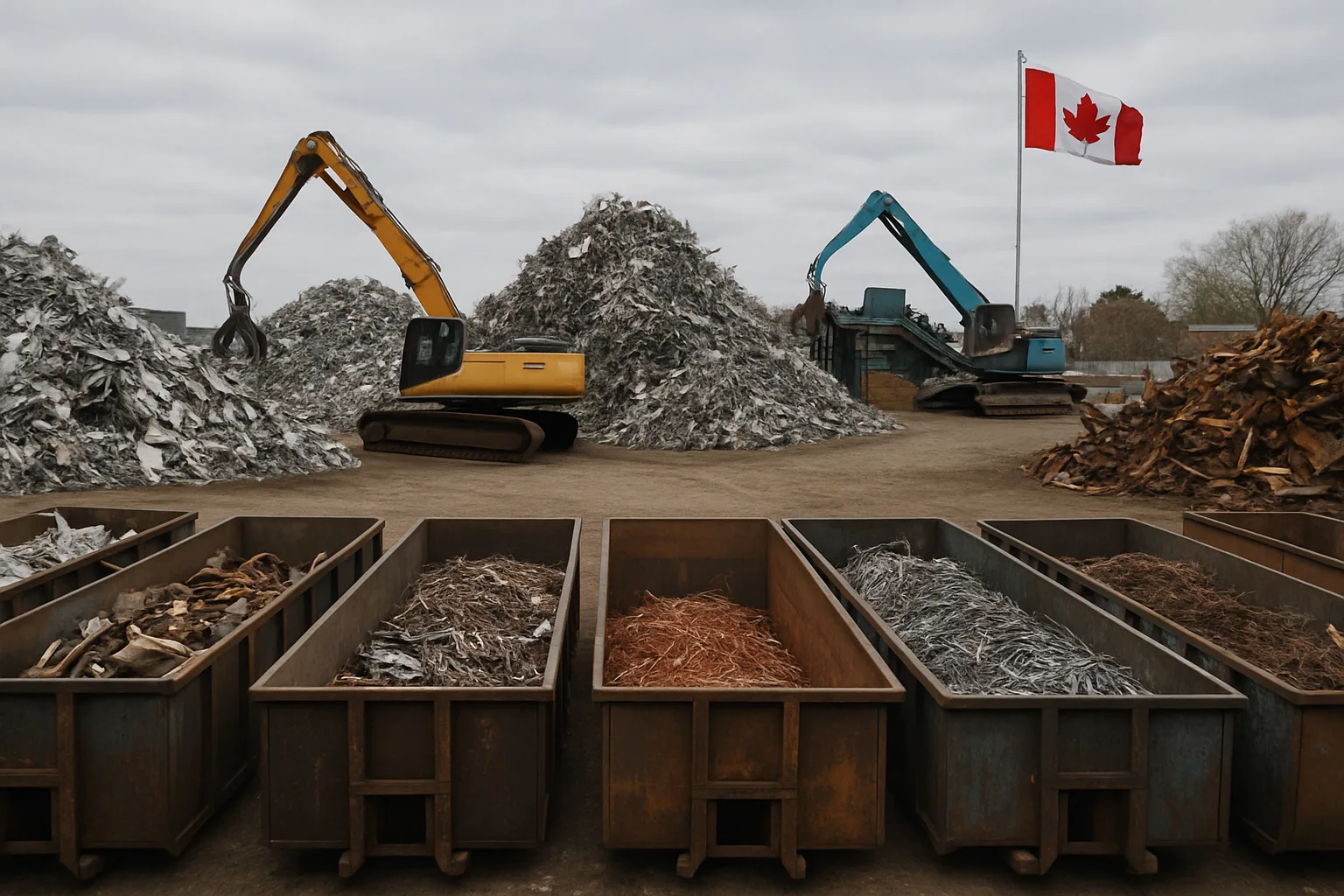
- Grading and separation — sort by material type and grade before listing. Don't combine high-value and low-value material into one lot unless it genuinely belongs together.
- Serial and VIN tracking for cats — use a consistent system. SMASH's inventory tool supports this natively.
- Timing your sales — watch PGM and base metal spot prices. Don't dump inventory into a soft market if you have storage flexibility.
- Putting lots in front of multiple buyers — this is the step most yards skip. Don't skip it.
- Reviewing your results — track what sold, what it sold for, and which buyer types engage with your material. Use that data to refine your next listing.
For yards in Ontario — whether you're running a large operation in Mississauga or a regional yard further out — this process applies regardless of volume. Join Canada's B2B scrap marketplace on SMASH Recycling and start running your lots through a system built specifically for this industry.
Want to stay current on market trends, platform updates, and Canadian scrap metal insights? Read the latest from SMASH Recycling — updated regularly with content relevant to yards and buyers across Canada.
Ready to Stop Guessing and Start Selling Smarter
The old way — one buyer, one call, hope for a fair price — isn't a sales strategy. It's a habit. And it's costing you money on every load.
If you're processing scrap in Mississauga, running a recycling yard anywhere in Ontario, or managing lots across multiple sites, the infrastructure exists right now to run a better process. Document your material. Separate your lots. Put them in front of buyers who are competing for them. Handle the paperwork automatically. That's what SMASH is built to do.
No subscription fees. No guessing. Just competition, transparency, and a platform that only wins when you do. If you're ready to run your scrap like a business, register at smashrecycling.ca and get your first lot in front of Canada's vetted buyer network.
Frequently Asked Questions
Q: What is e-waste recycling in Mississauga and how does it relate to scrap metal?
E-waste recycling in Mississauga refers to the processing of end-of-life electronics — computers, circuit boards, telecom equipment, power supplies — for material recovery. These materials contain recoverable copper, aluminum, gold, and other non-ferrous metals, which makes them relevant to the scrap metal market. Yards handling e-waste can list recovered materials through B2B platforms like SMASH, applying the same documentation and auction process used for conventional scrap lots.
Q: Can I recycle my old catalytic converter through an online marketplace?
Yes. Catalytic converters are high-value scrap items due to their platinum, palladium, and rhodium content, and they're well-suited to online B2B marketplaces. Platforms like SMASH allow sellers to document converters with serial numbers, photos, and VIN data, then list them to vetted buyers who bid competitively. This approach typically delivers better price discovery than a single-buyer arrangement.
Q: How are catalytic converter prices determined in Canada?
Catalytic converter prices are primarily driven by the current spot prices of platinum, palladium, and rhodium — the precious group metals (PGMs) embedded in the converter substrate. Prices vary by converter type, manufacturer, condition, and whether the unit is OEM or aftermarket. PGM markets move daily, so current pricing always requires checking live spot rates. Disclaimer: prices fluctuate — always verify current market conditions before selling.
Q: What's the difference between selling scrap metal through SMASH versus calling a local buyer?
Calling a local buyer gives you one price from one party with no competitive pressure. SMASH puts your documented lot in front of multiple vetted buyers simultaneously, creating a competitive auction environment. That competition is what drives real price discovery. SMASH charges no subscription fee — they participate in the transaction only when a sale is made.
Q: Are there industry standards for catalytic converter recycling in Ontario?
Yes. The Ontario Automotive Recyclers Association (OARA) and the Automotive Recyclers of Canada (ARC) provide guidance on documentation, chain of custody, and best practices for automotive recyclers operating in Ontario and across Canada. Maintaining proper records — including serial numbers, VIN data, and source documentation — is both a compliance consideration and a value-protection measure when selling through any channel.
Follow SMASH on LinkedIn for industry updates, scrap metal market insights, and platform news from Canada's B2B scrap marketplace.