
Scarborough B2B Metal Sales: Secure Payment Terms Guide
Canadian scrap metal dealers lose an estimated $2.3 million annually to payment disputes and fraud in B2B transactions. In Scarborough's bustling industrial corridor, recycling yards and automotive dismantlers know this reality all too well. One delayed payment can cascade through your entire operation, forcing difficult decisions about inventory purchases and payroll obligations. The solution lies in understanding modern payment terms and leveraging secure escrow systems designed specifically for scrap metal recycling Scarborough businesses.
Traditional handshake deals and 30-day payment terms worked when the industry was smaller and relationships were purely local. Today's B2B scrap metal marketplace spans provinces, with buyers in Vancouver purchasing catalytic converters from sellers in Toronto. This geographic expansion demands more sophisticated financial protections. Smart recyclers are adopting structured payment frameworks that protect both parties while maintaining the speed essential for profitable operations.
Understanding Modern B2B Scrap Payment Structures
Payment terms in the scrap metal industry have evolved dramatically since 2025. Most professional recycling operations now operate on modified net terms that balance cash flow needs with risk management. Standard payment structures include net 15 for established relationships, net 10 for high-value transactions like catalytic converter auctions, and immediate payment for spot market sales.
The key difference from consumer transactions lies in verification requirements. When a Scarborough auto recycler sells a batch of catalytic converters to a processor in British Columbia, both parties need assurance the transaction will complete successfully. The seller wants guarantee of payment before shipping valuable materials. The buyer wants confirmation of quality and quantity before releasing funds.
Cash flow considerations drive most payment term negotiations. A recycling yard with strong relationships might offer net 30 terms to secure higher prices, effectively providing short-term financing to buyers. Conversely, operations focused on quick turnover prefer immediate payment even if it means accepting slightly lower prices. The join Canada's B2B scrap marketplace on SMASH Recycling platform allows sellers to specify their preferred terms upfront, matching them with compatible buyers.
Documentation requirements have standardized across the industry. Professional transactions now include detailed material specifications, weight certificates, and quality assessments before any payment is processed. This documentation protects both parties and provides clear recourse if disputes arise.
Escrow Systems: The New Standard for High-Value Transactions
Escrow services have become essential for scrap car recycling Scarborough operations dealing with buyers outside their immediate network. Unlike traditional banking holds, scrap metal escrow systems are designed for the unique challenges of our industry. They accommodate rapid price fluctuations, quality verification periods, and the logistics of bulk material transportation.
Modern escrow platforms integrate directly with auction systems and marketplace platforms. When a catalytic converter auction reaches completion, funds automatically transfer to escrow pending delivery confirmation. This eliminates the traditional waiting period where sellers shipped materials hoping payment would arrive. The process typically takes 24-48 hours from delivery confirmation to fund release.
Cost structures for escrow services have become competitive as the market matured. Most providers charge 1-2% of transaction value, with sliding scales for regular users. For a $10,000 catalytic converter sale, the escrow fee might be $150-200, split between buyer and seller. This cost is negligible compared to the risk of non-payment or fraudulent transactions.
The verification process varies by material type. Precious metal-bearing components like catalytic converters require assay confirmation before final payment. Bulk steel and aluminum shipments need weight verification and contamination assessment. explore SMASH Recycling's auction platform to see how integrated escrow systems streamline these processes for Ontario-based recyclers.
Risk Management in Cross-Provincial Transactions
Geographic distance amplifies every risk in B2B scrap metal transactions. A delayed payment that might be resolved with a phone call between Scarborough neighbors becomes a complex legal issue when it involves parties in different provinces. Professional risk management starts with proper due diligence on potential trading partners.
Credit checks and trade references remain fundamental, but smart recyclers dig deeper. They verify business licenses, check with industry associations like the Automotive Recyclers of Canada (ARC), and review any available transaction history. The ARC maintains databases of member transactions and can provide valuable insights into a potential partner's payment reliability.
Insurance considerations have evolved to address modern transaction risks. Traditional general liability policies often exclude losses from non-payment or fraud. Specialized trade credit insurance can cover these gaps, typically costing 0.5-1.5% of insured transaction values. For operations regularly conducting five-figure transactions, this protection becomes cost-effective quickly.
Documentation standards serve as the foundation of risk management. Every transaction should include signed purchase orders, detailed material specifications, shipping documentation, and payment terms clearly stated. Digital platforms make this documentation automatic, reducing administrative burden while improving protection.
Technology Solutions for Secure Transactions
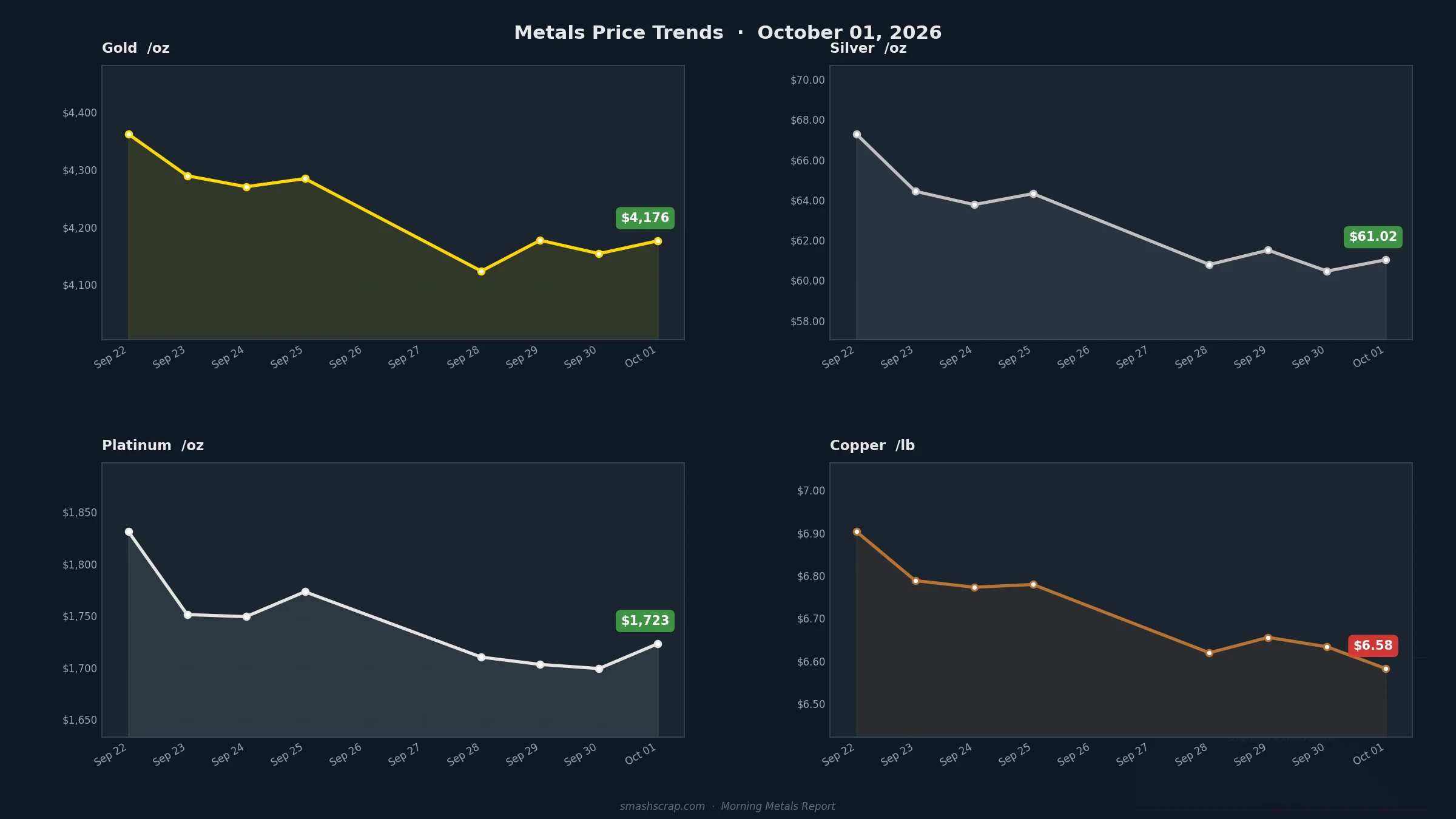
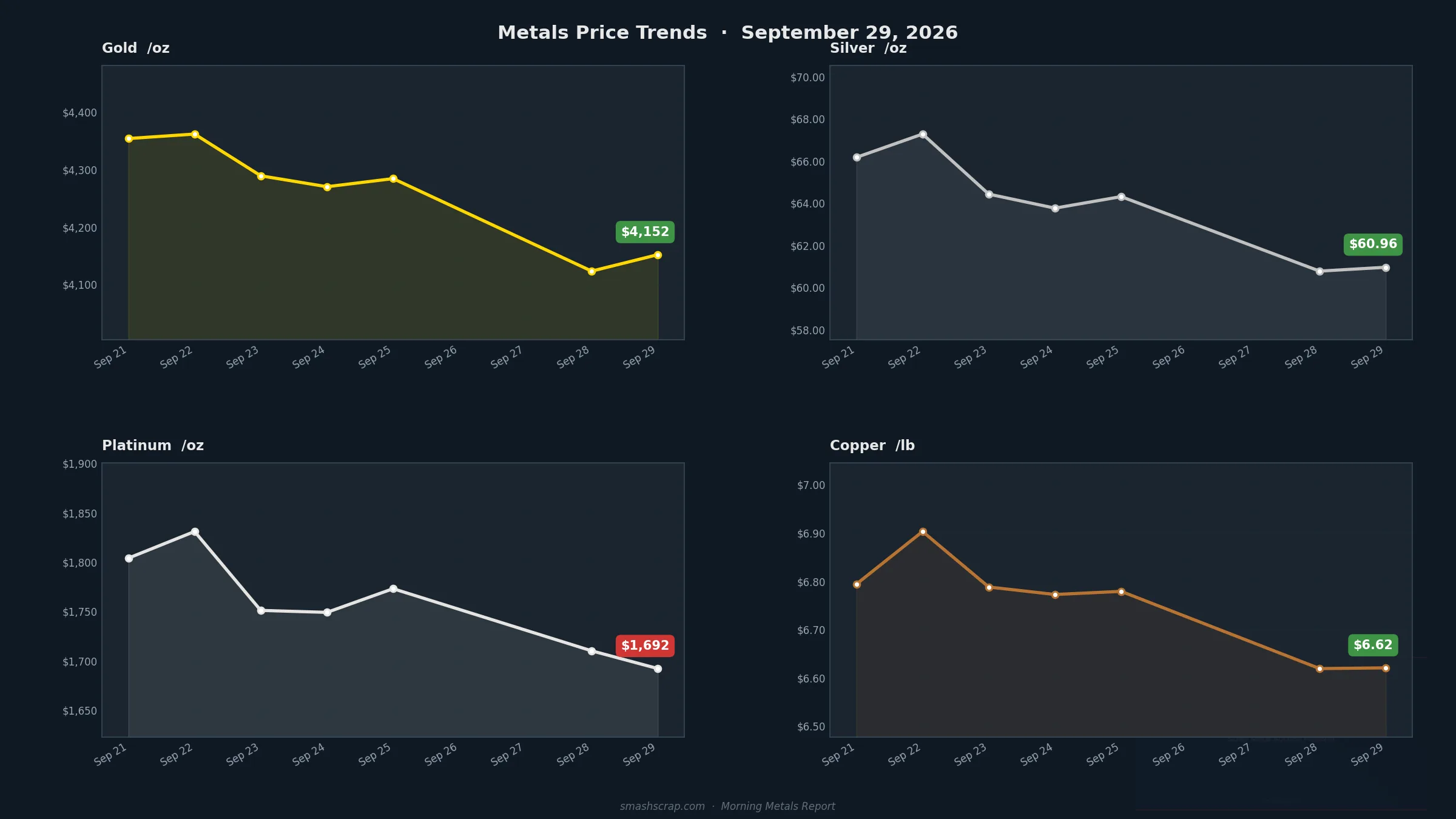
Digital payment platforms designed specifically for B2B scrap metal transactions have revolutionized how the industry handles money. These systems integrate inventory management, pricing data, and payment processing into unified workflows. Real-time pricing updates ensure both parties work with current market values, reducing disputes from price volatility.
Blockchain-based verification systems are gaining traction for high-value transactions involving precious metals. Each transaction creates an immutable record including material provenance, quality assessments, and payment terms. While still emerging, these systems show promise for catalytic converter buyers Canada and other precious metal transactions where authenticity verification is critical.
Mobile payment systems allow field staff to process transactions remotely. A buyer inspecting materials at a Scarborough recycling yard can approve payment immediately upon satisfactory verification. This speed reduces holding costs and improves cash flow for sellers while giving buyers confidence their funds are only released for satisfactory materials.
Integration with existing business systems eliminates duplicate data entry and reduces errors. Modern platforms sync with accounting software, inventory management systems, and banking platforms. This automation reduces administrative costs while providing better audit trails for financial reporting and tax compliance.
Market Trends Shaping Payment Evolution
The Canadian scrap metal market in 2026 reflects broader trends toward digital transformation and risk reduction. Younger business owners entering the industry expect the same transaction security they experience in other sectors. This generational shift drives adoption of more sophisticated payment systems across the industry.
Regulatory changes have also influenced payment practices. Enhanced anti-money laundering requirements mean more documentation and verification for large transactions. While this creates additional administrative work, it also provides stronger legal protections for legitimate businesses. The Ontario Automotive Recyclers Association (OARA) has developed best practices guidelines that many members now follow voluntarily.
Market consolidation affects payment terms as larger operators enter local markets. These companies often have stronger credit profiles and can offer more attractive payment terms. However, they also demand more sophisticated transaction processes and documentation. Smaller operators need comparable systems to remain competitive.
International market connections are growing stronger, with Canadian scrap increasingly exported to global markets. These transactions require currency hedging considerations and international payment systems. read the latest from SMASH Recycling for updates on how global market trends affect Canadian recyclers.
Implementing Best Practices for Your Operation
Successful payment term management starts with clear policies consistently applied. Establish minimum credit requirements for different transaction sizes and stick to them. A $5,000 transaction might require simple trade references, while a $50,000 deal demands comprehensive financial verification. Document these standards and train staff to apply them uniformly.
Regular review of payment terms ensures they remain competitive and appropriate for current market conditions. What worked in 2024 might not suit today's faster-moving markets. Quarterly reviews allow adjustments based on cash flow needs, credit experiences, and competitive pressures. Include key staff in these reviews to capture frontline insights about customer payment patterns.
Technology adoption should align with transaction volume and complexity. A small operation doing primarily local business might benefit from basic escrow services for large transactions. A multi-location business serving regional markets needs comprehensive platform integration. find the best price for your scrap on SMASH offers scalable solutions suitable for operations of any size.
Staff training ensures consistent application of payment policies and proper use of available tools. Every team member handling transactions should understand credit verification procedures, documentation requirements, and escalation processes for problem accounts. Regular training updates keep skills current as systems and regulations evolve.
The future of B2B scrap metal transactions lies in balancing security with efficiency. Modern escrow systems, digital verification processes, and professional payment terms create the foundation for profitable growth. Whether you're selling catalytic converters or processing bulk steel in Scarborough, these tools protect your business while enabling expansion into new markets and partnerships.
Frequently Asked Questions
Q: How quickly can escrow funds be released for scrap metal transactions in Scarborough?
Most escrow services release funds within 24-48 hours of delivery confirmation and quality verification. For standard materials like steel or aluminum, this process is often automated. Precious metal-bearing materials may require additional assay time, extending the release to 3-5 business days.
Q: What payment terms are typical for catalytic converter auctions in Ontario?
Catalytic converter auctions typically operate on immediate payment terms with escrow protection. Funds are held in escrow during shipping and released upon delivery confirmation. This protects both parties while maintaining the quick turnover essential for catalyst recycling profitability.
Q: Are there specific regulations governing B2B scrap metal payments in Canada?
While no specific federal regulations govern scrap metal payment terms, anti-money laundering requirements affect large transactions. Provincial regulations vary, with Ontario requiring documentation for transactions over certain thresholds. Always verify current requirements with legal counsel familiar with your specific situation.
Q: How do digital payment platforms handle price fluctuations during transaction processing?
Professional platforms lock prices at the time of agreement and hold them during the transaction process. Some systems allow price adjustment clauses for extended processing periods, but most transactions complete quickly enough that fluctuations aren't significant. Clear terms should specify how price changes are handled.
Q: What happens if quality disputes arise during escrow transactions?
Quality disputes trigger mediation processes built into professional escrow systems. Third-party verification services can resolve most disputes through independent testing. If mediation fails, funds remain in escrow pending legal resolution. Well-documented transaction terms significantly reduce dispute frequency and severity.
Professional payment management separates successful scrap metal operations from those struggling with cash flow challenges. The combination of appropriate payment terms, secure escrow systems, and modern technology creates the foundation for sustainable growth in Ontario's competitive recycling market. Join Canada's B2B scrap marketplace — register at smashrecycling.ca to access these advanced transaction tools and connect with verified buyers across the country.
Stay connected with industry developments and market insights by following SMASH on LinkedIn at https://www.linkedin.com/company/scrap-metal-auction-sales-hub for the latest updates on scrap metal market trends and platform enhancements.