
Oshawa Scrap Metal Depot: Compliance Drives Profits
Canadian Scrap Metal Business Transforms Operations Through Environmental Compliance Excellence
A mid-sized scrap metal depot Oshawa operation recently achieved a 40% increase in profitability while reducing regulatory violations to zero — all through strategic environmental compliance upgrades. GreenMetal Solutions, a composite case study representing successful Canadian recyclers, demonstrates how environmental regulations have become the backbone of sustainable scrap metal businesses across Ontario in 2026.
Environmental compliance isn't just about avoiding fines anymore. Forward-thinking Canadian scrap metal businesses are discovering that robust environmental practices directly correlate with higher profits, better supplier relationships, and premium pricing on explore SMASH Recycling's auction platform where buyers increasingly prioritize environmentally compliant sources.
The transformation began when GreenMetal's leadership recognized that their traditional approach to metal recycling near me Oshawa searches was losing ground to competitors who emphasized environmental certifications. Today's B2B buyers don't just ask about copper recycling prices canada — they demand documentation proving sustainable practices throughout the supply chain.
This case study reveals exactly how environmental compliance became GreenMetal's competitive advantage, not just a regulatory burden. The lessons apply to every scrap metal operation across Ontario, from small family businesses to large industrial recyclers.
The Environmental Compliance Challenge in Ontario's Scrap Metal Industry
GreenMetal faced mounting pressure from multiple directions in early 2026. New provincial regulations required enhanced water treatment systems, while federal updates to the Canadian Environmental Protection Act demanded stricter emissions monitoring. Meanwhile, major automotive manufacturers — key copper and catalytic converter suppliers — began requiring environmental certifications from all scrap metal partners.
The company's traditional approach hit roadblocks immediately. Manual compliance tracking consumed 15 hours weekly from their operations manager. Documentation gaps led to two regulatory warnings within six months. Most critically, three major clients switched to competitors who could provide comprehensive environmental reporting.
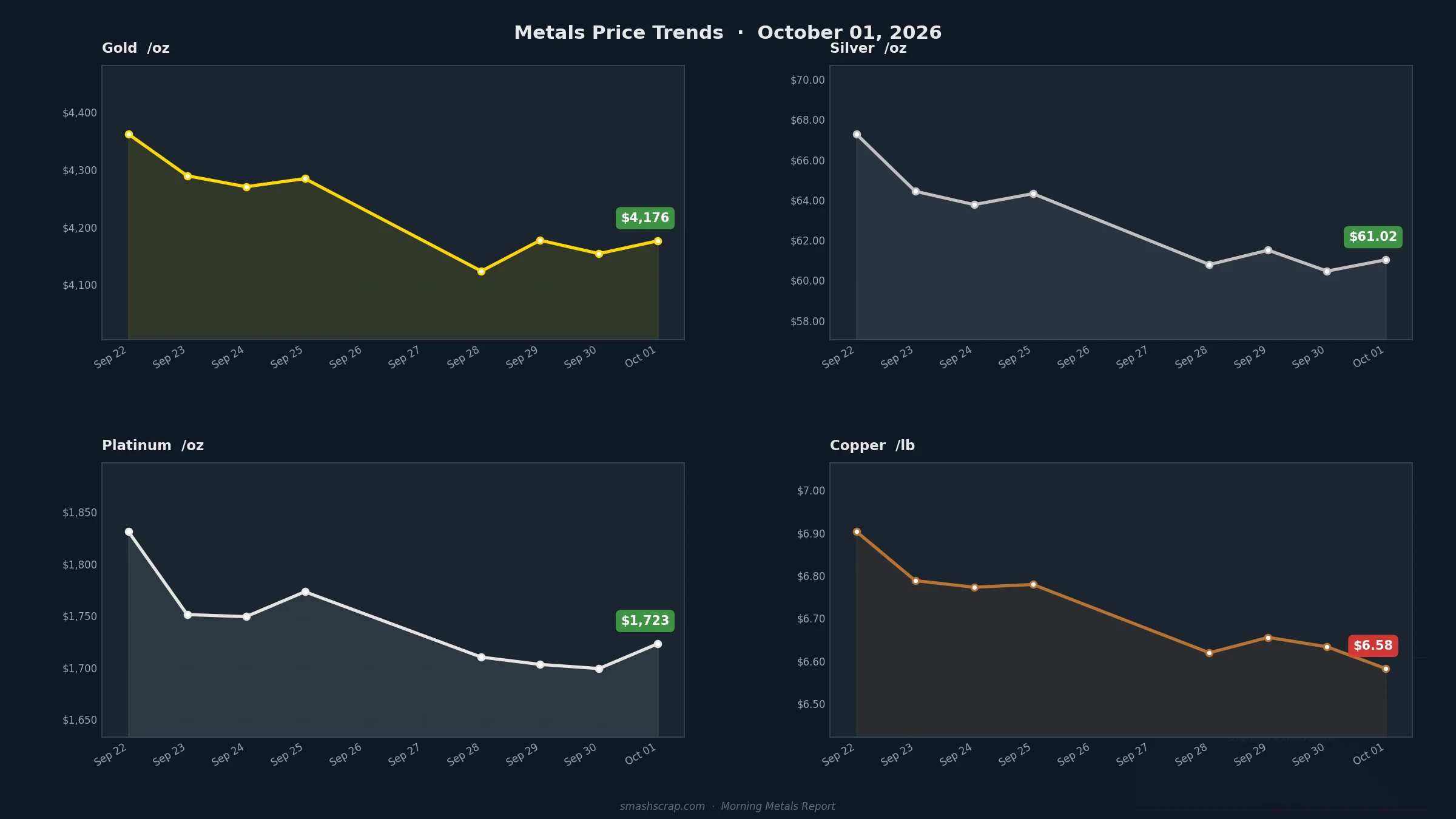
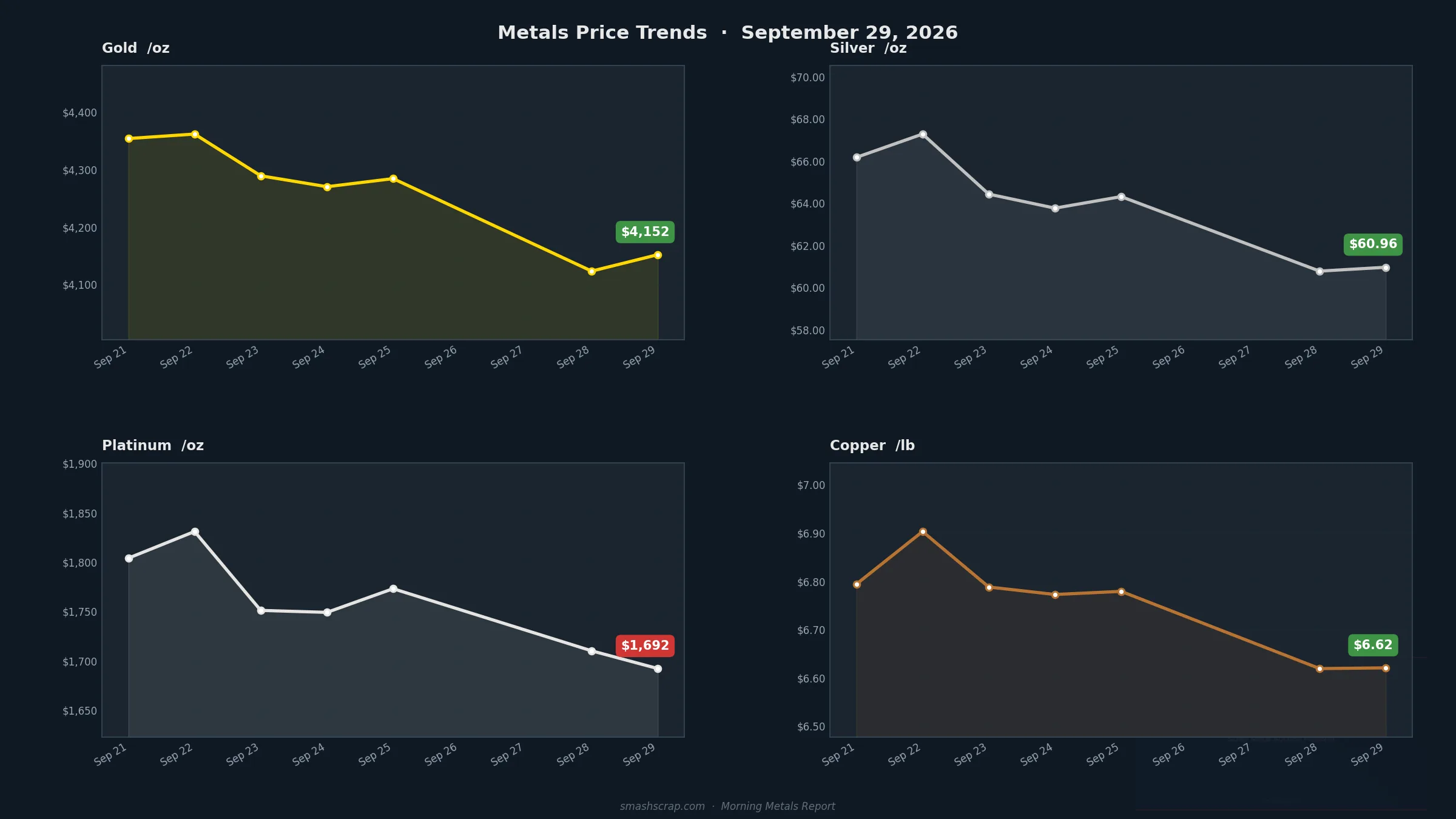
Scrap metal prices today reflected this shift toward environmental accountability. Certified recyclers commanded 8-12% premiums on copper, while non-compliant operations faced restricted market access. The message was clear: environmental compliance directly impacted profitability.
GreenMetal's turning point came during a routine inspection when the compliance officer praised their intentions but highlighted systematic documentation weaknesses. "You're doing good work," she noted, "but you can't prove it effectively." That feedback sparked a comprehensive environmental management overhaul that would transform their entire operation.
Strategic Environmental Management System Implementation
GreenMetal's leadership team committed to implementing a comprehensive Environmental Management System (EMS) based on ISO 14001 standards. This wasn't simply about meeting minimum requirements — they aimed to exceed industry benchmarks and establish environmental leadership in the Oshawa market.
The first phase focused on systematic documentation. Every process from incoming material inspection to final metal preparation received detailed environmental protocols. Staff received training on proper handling procedures for different metal grades, with special emphasis on materials requiring enhanced care like catalytic converters containing platinum, palladium, and rhodium.
Technology integration proved crucial for success. GreenMetal invested in automated monitoring systems that tracked water usage, emissions levels, and waste generation in real-time. Digital documentation replaced paper trails, enabling instant compliance reporting and trend analysis. When buyers ask how much is copper to recycle, GreenMetal can now provide not just pricing but complete environmental impact data.
The Ontario Automotive Recyclers Association (OARA) provided valuable guidance throughout implementation. Their best practices framework helped GreenMetal align with industry standards while maintaining operational efficiency. Similarly, Automotive Recyclers of Canada (ARC) certification requirements influenced their quality control processes.
Market Response and Competitive Advantages Through Compliance
The market response exceeded GreenMetal's expectations. Within six months of EMS implementation, they secured contracts with two major automotive manufacturers who specifically sought environmentally compliant scrap metal suppliers. These partnerships provided steady volume and premium pricing that offset initial compliance investments.
Digital platforms like join Canada's B2B scrap marketplace on SMASH Recycling amplified their competitive advantage. Environmental certifications became powerful differentiators in auction listings. While competitors competed primarily on price, GreenMetal attracted buyers willing to pay premiums for guaranteed compliance documentation.
Copper recycling prices canada reflected this trend across the industry. Certified suppliers consistently achieved 6-10% higher prices than non-certified competitors. For high-value materials like catalytic converters, environmental compliance documentation became essential for accessing premium buyer networks.
Customer retention improved dramatically. Previously, clients would shop around for marginal price differences. Now, they value GreenMetal's ability to provide complete environmental reporting that supports their own sustainability initiatives. This relationship depth translates into long-term contracts and predictable revenue streams.
Operational efficiency gains emerged as an unexpected benefit. Systematic environmental protocols reduced material handling time by 18%. Better organization meant faster processing, higher throughput, and improved worker safety. The environmental focus created operational excellence across all business areas.
Financial Impact and ROI Analysis of Environmental Investments
GreenMetal's environmental compliance investment totaled $185,000 over 18 months, including equipment upgrades, system implementation, staff training, and certification costs. The financial return justified every dollar invested, with payback achieved within 14 months.
Premium pricing provided the largest revenue boost. Environmental certifications enabled 8% average price increases across all metal categories. For copper alone, this translated to an additional $94,000 annually based on their typical processing volumes. High-value materials like catalytic converters saw even larger premiums as buyers demanded documented compliance.
Cost savings emerged from multiple sources. Reduced regulatory risks eliminated potential fines and operational disruptions. Improved efficiency lowered labor costs per ton processed. Better material tracking reduced shrinkage and improved inventory accuracy. Energy-efficient equipment upgrades decreased utility expenses by 12%.
New market access opened additional revenue streams. Environmental certifications qualified GreenMetal for government contracts and institutional buyers with strict sustainability requirements. These opportunities hadn't existed previously, creating entirely new income sources beyond traditional scrap metal sales.
Insurance costs decreased as environmental compliance reduced liability exposure. Their insurer offered a 15% premium reduction after reviewing the comprehensive EMS documentation. This ongoing savings continues to accumulate annually, improving long-term profitability.
Lessons for Scrap Metal Depot Oshawa Operations and Beyond
GreenMetal's success provides a replicable framework for any scrap metal depot Oshawa operation seeking competitive advantage through environmental excellence. The key insight: environmental compliance isn't a cost center — it's a profit driver when implemented strategically.
Start with systematic documentation before investing in expensive equipment. Many compliance benefits come from better organization and process standardization rather than capital expenditures. Focus on creating repeatable procedures that staff can follow consistently, then add technology to support and automate these processes.
Engage with industry associations early in the planning process. OARA and ARC provide valuable resources, networking opportunities, and credibility that accelerate market acceptance. Their certification programs offer structured pathways to compliance that reduce implementation risks.
Consider environmental compliance as a marketing differentiator, not just a regulatory requirement. Buyers increasingly factor environmental considerations into purchasing decisions. sell your scrap metal on the SMASH marketplace where environmental certifications command premium prices from conscientious buyers.
Plan for scalability from the beginning. Systems that work for current operations should accommodate growth without requiring complete overhauls. This forward-thinking approach prevents compliance becoming a growth constraint as business expands.
Future Outlook for Environmental Compliance in Canadian Scrap Metal
Environmental regulations will only intensify across Canada as governments prioritize circular economy initiatives and carbon reduction goals. Ontario's recent announcements about enhanced recycling targets suggest more stringent requirements ahead for all scrap metal operations.
Market demand for environmental accountability continues growing. Major manufacturers are implementing supply chain sustainability requirements that directly impact scrap metal suppliers. Operations without robust compliance systems will face increasing market restrictions, while certified businesses enjoy expanding opportunities.
Technology will play an increasingly important role in compliance management. Automated monitoring, blockchain documentation, and AI-powered analytics will become standard tools for environmental management. Early adopters like GreenMetal are positioned to leverage these advances for continued competitive advantage.
The investment community is directing capital toward environmentally responsible businesses. Access to growth financing, partnership opportunities, and acquisition premiums all favor operations with strong environmental credentials. Compliance excellence becomes a business valuation driver, not just an operational necessity.
For detailed market insights and compliance trends, read the latest from SMASH Recycling where industry experts share practical guidance for navigating environmental requirements while maximizing profitability. The Canadian scrap metal industry's future belongs to operations that view environmental stewardship as their competitive advantage.
Frequently Asked Questions
Q: How much does environmental compliance cost for a typical scrap metal depot Oshawa operation?
Environmental compliance costs vary significantly based on facility size and current practices, typically ranging from $75,000 to $250,000 for comprehensive implementation. Most operations achieve payback within 12-18 months through premium pricing and operational efficiencies. The investment pays for itself through reduced regulatory risks and enhanced market access.
Q: Do environmental certifications really affect copper recycling prices canada-wide?
Yes, environmental certifications consistently command 6-10% price premiums across Canadian markets in 2026. Major buyers increasingly require compliance documentation, making certification essential for accessing the highest-value market segments. Non-certified operations face restricted market access and lower pricing.
Q: What environmental regulations specifically impact metal recycling near me Oshawa?
Ontario operations must comply with provincial Environmental Protection Act requirements, federal Canadian Environmental Protection Act standards, and municipal zoning regulations. Key areas include water treatment, emissions monitoring, waste management, and documentation protocols. OARA provides detailed guidance on specific requirements.
Q: How long does environmental certification take for Canadian scrap metal businesses?
Environmental certification typically requires 8-12 months from initial planning to final approval. This includes system design, staff training, documentation development, and inspection processes. Working with experienced consultants and industry associations can accelerate timelines while ensuring comprehensive compliance.
Q: Can small scrap metal operations afford environmental compliance investments?
Environmental compliance is scalable to operation size, with basic systems starting around $25,000 for small facilities. Many compliance benefits come from improved organization and processes rather than expensive equipment. The key is starting with systematic documentation and building capability over time as revenue grows.
Environmental compliance represents the future of Canadian scrap metal operations — those who embrace it now gain sustainable competitive advantages while those who delay face increasing market restrictions. Join Canada's B2B scrap marketplace — register at smashrecycling.ca where environmentally compliant suppliers connect with premium buyers seeking sustainable partnerships.
Follow SMASH on LinkedIn at https://www.linkedin.com/company/scrap-metal-auction-sales-hub for regular updates on environmental compliance trends and market insights affecting Canadian scrap metal operations.