Metal Grading Medicine Hat: Auction-Ready Listings
Why Scrap Metal Grading Determines What You Get Paid — And How to Get It Right
Most yards leave money on the table before the auction even starts. Not because their material is bad — because their listings are vague. In a competitive B2B scrap metal marketplace, a well-graded, well-documented load attracts serious buyers. A mystery box gets low bids or no bids at all.
If you're searching for metal recycling near me Medicine Hat or trying to understand why two similar loads fetch very different prices, grading is almost always the answer. Buyers price risk. Ambiguity is risk. Clean grading removes that risk — and competition does the rest.
This guide breaks down how scrap metal grading works for Canadian auction listings, why it matters more than ever in 2026, and how platforms like SMASH help sellers present material that moves fast and prices well.
What Scrap Metal Grading Actually Means in a B2B Context
Grading isn't just sorting. It's a standardized language that tells buyers exactly what they're bidding on — metal type, purity, contamination level, form, and origin. In a face-to-face transaction with your regular buyer, you can explain the load verbally. In an online auction with vetted buyers across Canada, the listing has to do that work.
The Institute of Scrap Recycling Industries (ISRI) publishes the most widely used commodity specifications in North America. These grades — things like #1 Copper, Birch/Cliff, Candy, or Twitch — give every party a shared reference point. When you list a load as "mixed copper" versus "#1 Bare Bright Copper," you're not just being descriptive. You're changing the buyer pool and the price ceiling entirely.
Key grading categories Canadian sellers deal with regularly include:
- Ferrous metals: Heavy melt, #1 steel, #2 steel, shredder feed, cast iron, turnings
- Non-ferrous metals: Copper grades (#1, #2, insulated wire, Birch/Cliff), aluminum grades (clip, cast, extrusion, MLC), lead, zinc
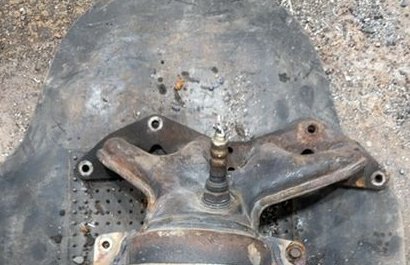
- Catalytic converters: OEM, aftermarket, foiled-out, damaged — each priced differently based on platinum, palladium, and rhodium content
- Auto bodies and cores: Drained vs. undrained, partial vs. complete, with or without engine
- E-scrap and specialty materials: Circuit boards, motors, transformers — contamination level matters here
Getting these categories right before you list isn't just good practice — it's the difference between a competitive auction and a low-ball offer from a single buyer who knows more than you do.
Metal Recycling Prices Alberta: How Grading Affects What You Actually Receive
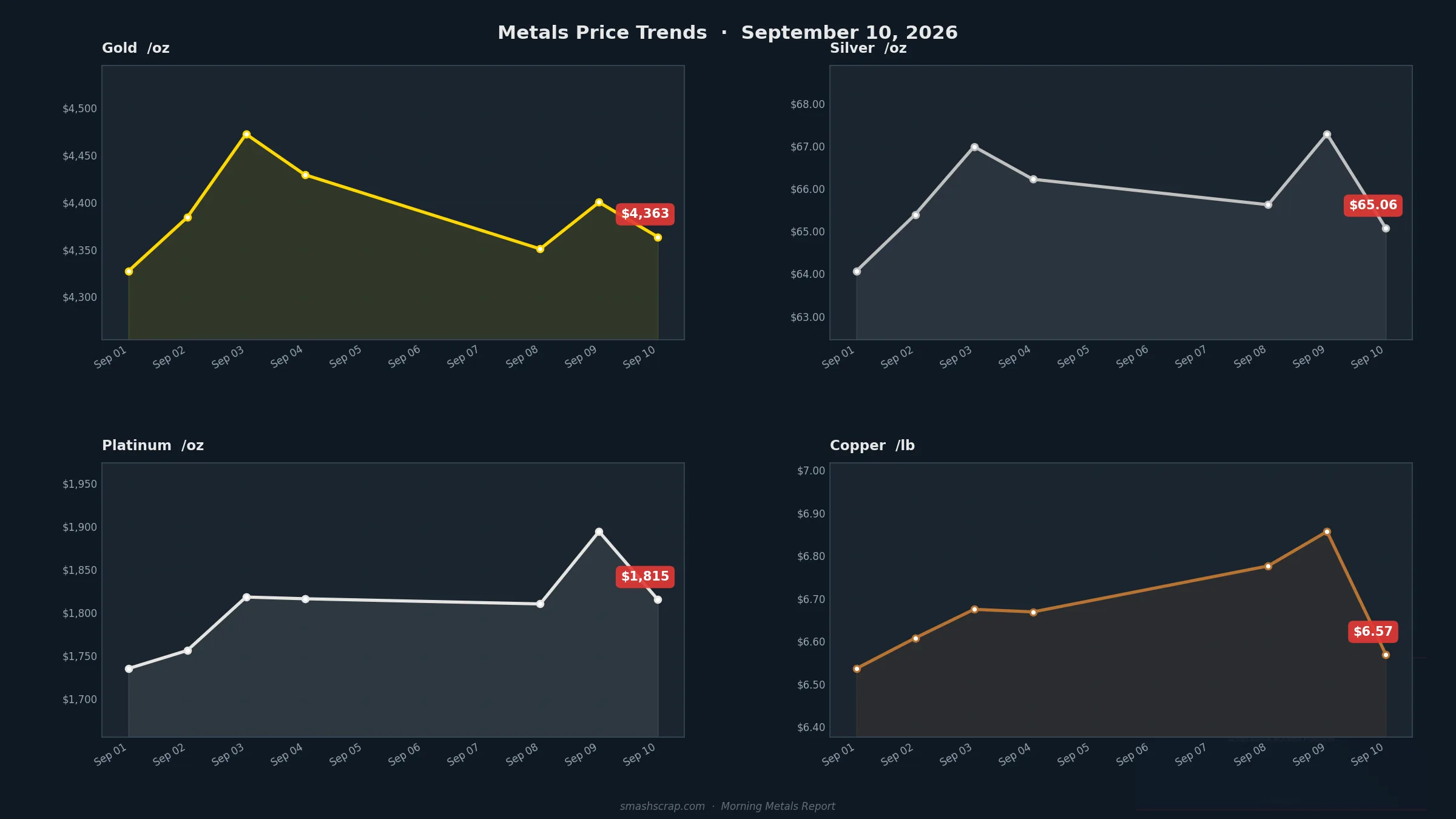
Alberta's scrap market moves with global commodity prices — copper scrap prices, platinum price, palladium price, and rhodium price all fluctuate based on futures markets, refiner demand, and North American supply levels. But even when the market is strong, a poorly graded load will underperform. Buyers discount for uncertainty. Always.
Consider catalytic converters. A load of mixed cats — OEM, aftermarket, and foiled-out units thrown together with no serial tracking or photo documentation — forces buyers to price the worst-case scenario. Separate those units, document VINs or serial numbers, photograph the substrates, and suddenly the same load becomes three distinct line items, each priced appropriately. The total return improves. Not because the material changed, but because the information did.
The same logic applies to copper. #1 Bare Bright commands a premium over insulated wire — but if you're not separating and labeling correctly, you're selling premium material at a blended rate. In Medicine Hat, where smaller yards sometimes deal in mixed loads by necessity, this grading discipline is exactly what separates the operations getting market value from those perpetually leaving money behind.
A few grading habits that directly affect your price outcome:
- Separate ferrous from non-ferrous before listing — never mix in the same lot unless listing as shredder feed
- Grade copper by bare bright, #1, #2, and insulated wire separately
- Document catalytic converters individually with photos and serial numbers where possible
- Note contamination levels honestly — buyers reward transparency over surprises at delivery
- Specify weight accuracy — estimated versus certified scale weights affect bid confidence
Sell Scrap Metal Online: Why Documentation Is Your Competitive Advantage
The shift toward online scrap metal auctions — accelerated significantly between 2024 and 2026 — has changed what buyers expect before they commit a bid. They can't touch the material. They rely entirely on your listing. This is why documentation isn't optional anymore; it's your competitive advantage.
When you sell scrap metal online through a platform like SMASH, your inventory tool becomes the foundation of your listing. Photo documentation of each load, accurate weights, material descriptions tied to ISRI specifications, and — for catalytic converters — VIN lookup and serial tracking all contribute to buyer confidence. Confident buyers bid higher. That's not a promise of a specific outcome; it's basic economics. More information reduces buyer risk, and reduced risk means buyers compete closer to actual market value rather than discounting for unknowns.
The Automotive Recyclers of Canada (ARC) and the Ontario Automotive Recyclers Association (OARA) have both emphasized documentation standards as part of their best practices guidance for members. For Canadian automotive recyclers listing loads in an auction environment, meeting those documentation standards isn't just about compliance — it's about presenting material in a way that commands buyer attention. Yards that follow these practices tend to attract more serious buyers and fewer disputes after the hammer drops.
Practical documentation checklist for auction listings:
- Clear photographs from multiple angles — top, side, and any relevant detail shots
- Accurate gross weight and estimated net weight (or certified if available)
- Material grade using ISRI terminology
- Contamination notes (oil, paint, mixed alloys)
- For auto parts: make, model, year, and condition
- For cats: serial numbers, OEM vs. aftermarket, foiled status
- Location and pickup logistics (important for buyers pricing freight)
Auto Recycling Medicine Hat: Getting Local Loads Ready for a National Buyer Pool
Medicine Hat sits in a position that's both a strength and a challenge for scrap sellers. You're operating in a productive industrial corridor — agriculture equipment, oil and gas infrastructure, automotive — but your immediate buyer pool is smaller than a major metro. That's exactly why accessing a national auction platform matters for auto recycling Medicine Hat operations specifically.
When you list through a platform that connects you to vetted buyers across Canada, your Medicine Hat address stops being a limitation. A buyer in Calgary, Edmonton, or Vancouver can bid on your load — and they will, if the listing is credible and the grade is clear. Freight gets factored into their bid, yes. But competition across geographies still tends to surface better price discovery than a single local buyer with no competition at all.
Alberta yards dealing in agricultural equipment scrap, heavy steel from oilfield decommissioning, or automotive cores all have material that national buyers actively want. The grading principles are the same regardless of material type: define it clearly, document it thoroughly, and let competition determine the price. That's the SMASH model. To explore SMASH Recycling's auction platform and see how yards across Alberta are bringing their loads to a wider market, the process starts with getting your first listing right.
For yards new to online auctions, the learning curve on grading is real but manageable. Most experienced SMASH sellers find that after a few listings, the documentation process becomes routine — and the price results make it worth the initial effort.
Catalytic Converter Prices Today and the Grading Variables That Drive Them
No category in scrap metal rewards precise grading more than catalytic converters. Catalytic converter prices today are driven by the assay value of platinum, palladium, and rhodium recovered from the substrate — and that value varies enormously between units. An OEM cat from a late-model domestic vehicle contains a very different loading of precious metals than a cheap aftermarket replacement. Treating them identically in a listing is one of the most common and costly grading mistakes Canadian sellers make.
Platinum price, palladium price, and rhodium price all move independently. Rhodium in particular has shown extreme volatility over recent years, and its concentration in certain vehicle types makes accurate unit identification genuinely valuable. That means serial tracking isn't just an administrative task — it's a direct revenue driver. When buyers can verify the unit type, they can price it accurately. When they can't, they discount.
SMASH's VIN lookup and serial tracking features exist precisely for this reason. Listing cats as individual documented units rather than bulk mystery weight shifts the pricing conversation entirely. You're not selling a pound of unknown substrate — you're selling a verified unit with a known recovery profile. That distinction, multiplied across a load of 50 or 100 converters, adds up to a material difference in your final settlement.
For more perspective on how Canadian yards are navigating precious metal pricing and auction strategy, read the latest from SMASH Recycling — the blog covers market movements, grading tips, and platform updates relevant to active sellers.
How SMASH Supports Better Grading and Better Outcomes for Canadian Sellers
SMASH was built for yards that are serious about getting paid fairly. The platform's inventory tool, photo documentation system, VIN lookup, serial tracking, and auto-invoicing features aren't features for their own sake — each one addresses a specific grading and documentation gap that costs sellers money in the old single-buyer model.
The vetted buyer network means the people bidding on your loads have been screened. They're not tire-kickers. They understand material grades, they price competitively, and they fulfill. That context matters when you're deciding whether to invest time in a thorough listing. When the buyer pool is credible, good listings get rewarded. When you're stuck calling the same one buyer every time, none of it matters.
There are no subscription fees on SMASH. The model is straightforward — we only participate in the outcome when you do. For yards in Medicine Hat and across Alberta looking to move beyond the single-call model, that alignment is worth paying attention to. To join Canada's B2B scrap marketplace on SMASH Recycling, or visit smashscrap.com for more information on how the platform works for both sellers and buyers.
Getting your grading right takes some front-end work. But in an auction environment with real competition and transparent pricing, that work pays off in a way it never does when you're negotiating blind with a single buyer. The old way was guessing. This is price discovery. There's a real difference — and Medicine Hat yards are starting to feel it.
Ready to list your first load? Email jeff@smashscrap.com to get started.
Disclaimer: Scrap metal prices fluctuate daily based on commodity markets. Always check current rates before finalizing a listing or purchase decision. Nothing in this article constitutes a guarantee of pricing outcomes.
Frequently Asked Questions
Q: What does scrap metal grading mean and why does it matter for auction listings?
Scrap metal grading is the process of classifying material by type, purity, contamination level, and form using standardized industry terminology — most commonly ISRI specifications. In an auction context, grading matters because buyers price risk. A clearly graded, well-documented load attracts more competitive bids than a vague listing, because buyers can price the material accurately rather than discounting for unknowns.
Q: Where can I find metal recycling near me in Medicine Hat?
Medicine Hat has local scrap yards serving the region, but sellers looking for competitive pricing often benefit from listing on a national B2B auction platform. When your load is visible to vetted buyers across Canada — not just your immediate area — competition tends to surface better price discovery. SMASH connects Medicine Hat sellers to a wider network of qualified buyers without requiring a subscription fee.
Q: How do metal recycling prices in Alberta compare to the rest of Canada?
Alberta scrap prices track global commodity markets — copper, aluminum, platinum, palladium, and rhodium all move based on futures pricing and North American refiner demand. Regional factors like freight costs and local demand can create some variation, but the fundamentals are consistent. Transparent auction platforms help Alberta sellers verify they're receiving competitive market pricing rather than a single buyer's offer.
Q: How do I sell catalytic converters online and get a fair price?
The key to selling cats online is documentation — serial numbers, photos, OEM vs. aftermarket identification, and foiled-out unit flagging. Platforms like SMASH support VIN lookup and serial tracking so each unit is listed accurately. Documented units attract buyers who can price them precisely, rather than discounting for uncertainty. Selling bulk mystery-weight loads almost always underperforms compared to individually documented listings.
Q: Is SMASH available to scrap sellers in Medicine Hat and rural Alberta?
Yes. SMASH is a Canadian B2B scrap auction platform serving yards across the country, including Alberta. Rural and mid-sized operations benefit particularly from access to a national buyer pool, since local competition for loads may be limited. If you're ready to list or want to discuss your first auction, reach out to jeff@smashscrap.com directly.
Follow SMASH on LinkedIn for ongoing scrap metal market insights, pricing updates, and platform news: linkedin.com/company/scrap-metal-auction-sales-hub.