Cat Recycling Prince George: Copper Markets Impact
How Copper Supply Shifts Are Reshaping Canadian Scrap Metal Markets in 2026
Copper doesn't move quietly. When global supply tightens, the ripple hits every corner of the scrap metal market — from non-ferrous yards in Vancouver to automotive recyclers in Prince George pulling catalytic converters off end-of-life vehicles. If you're selling scrap metal in Canada right now, understanding what's driving copper prices isn't optional. It's how you stay ahead.
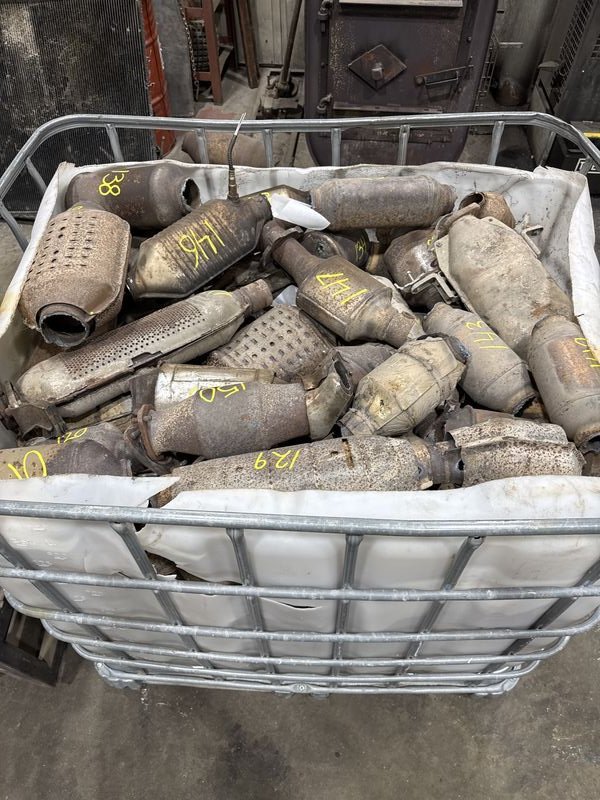
Catalytic converter recycling Canada-wide has never existed in isolation from broader commodity markets. Platinum, palladium, and rhodium — the three precious metals inside every cat — move in direct response to mining supply, industrial demand, and yes, copper-linked energy and manufacturing cycles. When copper tightens, it signals something bigger: infrastructure spending, EV buildout, manufacturing expansion. All of those pressure points touch automotive recycling.
This article breaks down what's actually happening with copper in 2026, why it matters for scrap yards and automotive recyclers operating across British Columbia, and how platforms like SMASH are helping sellers get real market value instead of a single buyer's best guess.
Copper Supply in 2026: What's Actually Driving the Shift
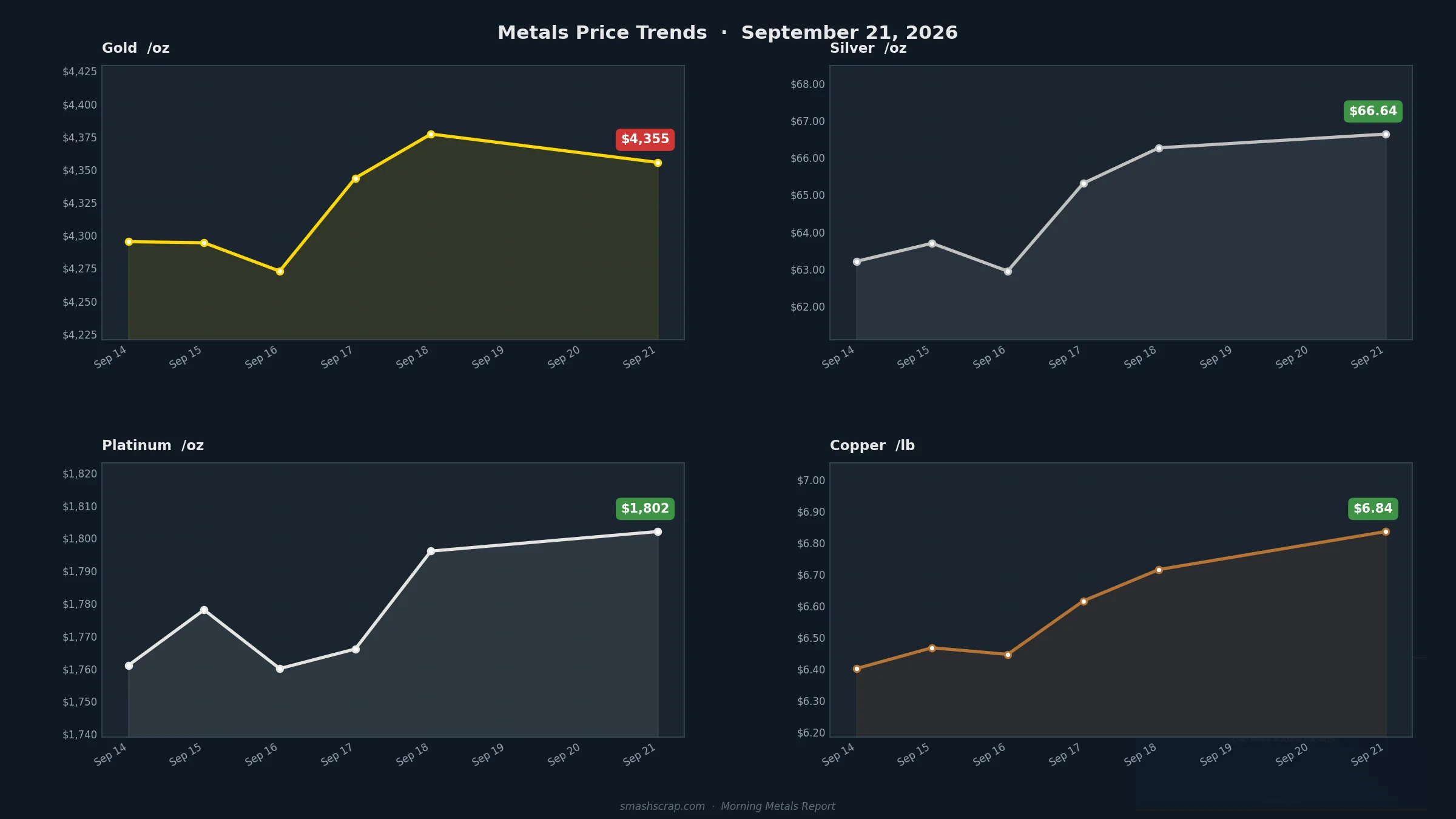
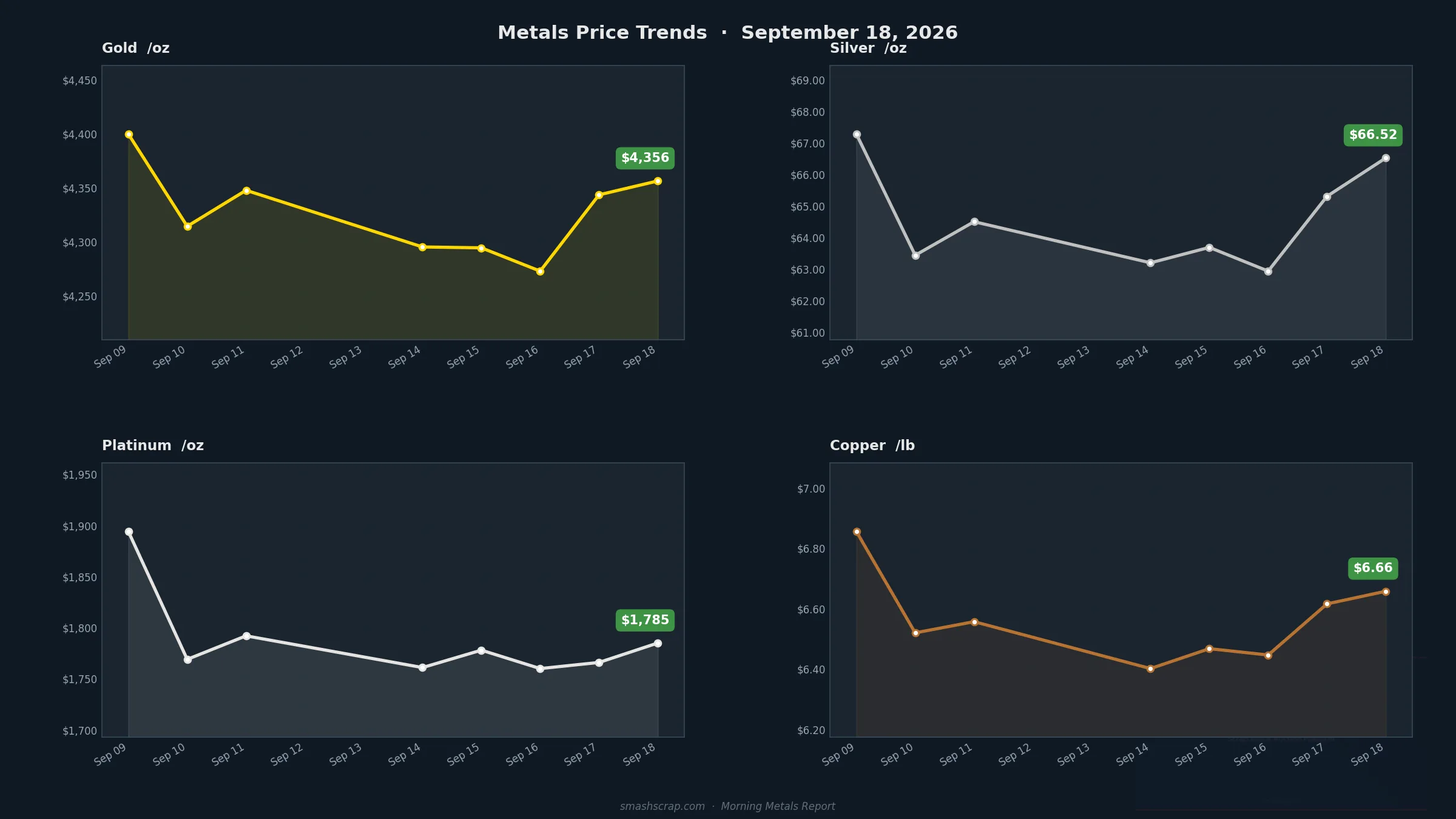
Global copper supply has been under pressure from multiple directions through 2026. Major mining operations in South America have faced ongoing permitting delays and labour disruptions. At the same time, demand from EV manufacturing, grid infrastructure, and data centre buildout continues to climb. The result is a tighter market than most recyclers anticipated entering this year.
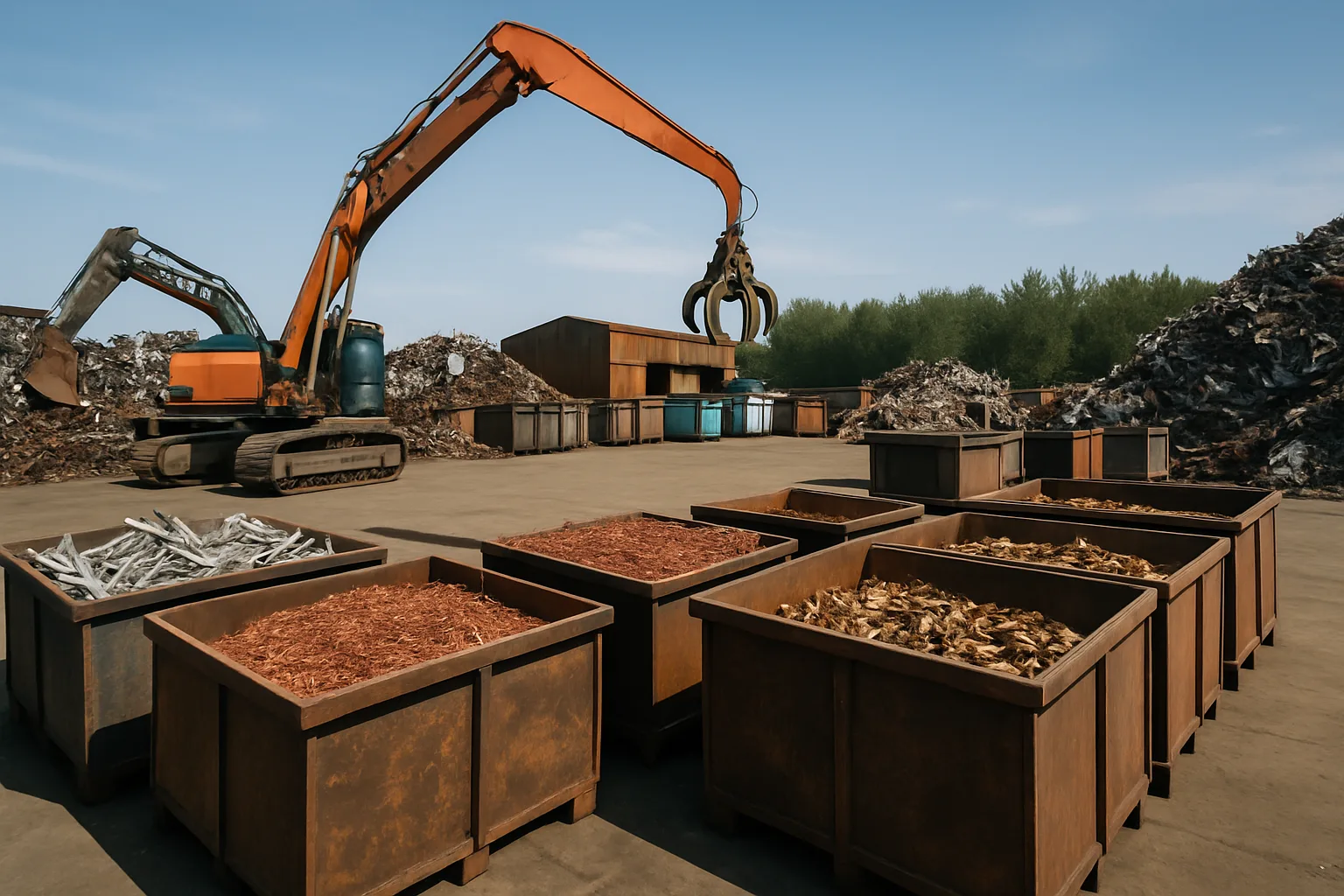
For Canadian scrap sellers, this matters on two levels. First, copper scrap prices themselves — wire, tubing, radiators, busbar — have become harder to predict week over week. Second, and less obviously, copper supply tension signals active industrial demand. Active industrial buyers need feedstock. That means more competition for quality non-ferrous scrap, which is exactly the condition where an auction format delivers better price discovery than a single phone call.
Key factors shaping copper scrap prices in Canada right now:
- Mining output constraints keeping refined copper tighter than historical averages
- EV and battery infrastructure demand pulling copper into new applications faster than supply expands
- Recycled copper's growing share of industrial feedstock, raising buyer competition for clean scrap
- Exchange rate volatility affecting CAD-denominated returns for Canadian yards selling into U.S.-priced markets
- Logistics and transport costs within British Columbia affecting net realized price for interior yards
If you're running a yard in Prince George or anywhere else in the B.C. interior, that last point matters. Distance to major smelters and processors means your net price depends heavily on who's buying and how they're pricing freight. More competing buyers means more leverage on that equation.
Catalytic Converter Recycling Canada: Why PGMs Track Copper Signals
Here's something many yard operators don't fully connect: platinum, palladium, and rhodium prices don't move independently of base metal markets. Mining operations that produce PGMs also produce copper and nickel as co-products. When copper mining slows, PGM supply from those same operations can soften too. When industrial activity accelerates and copper demand spikes, it often signals the same manufacturing expansion that drives autocatalyst demand.
Catalytic converter recycling in Canada sits at the intersection of automotive end-of-life processing and precious metal commodity trading. The spread between what a buyer quotes you and what the metal is actually worth on assay can be substantial — and in a tighter market, that spread widens for uninformed sellers.
For Prince George scrap metal services, this dynamic is particularly relevant. The region's vehicle fleet skews toward trucks, heavy equipment, and older working vehicles — which means a higher proportion of larger catalytic converters with meaningful PGM content. Knowing the value of what you're selling before you accept a quote isn't a luxury. It's basic margin protection.
Current factors affecting catalytic converter prices today in Canada:
- Platinum price driven by hydrogen fuel cell demand and diesel catalyst requirements
- Palladium price under pressure from gasoline engine fleet changes and substitution trends
- Rhodium price among the most volatile of the three — small supply shifts move it hard
- Assay accuracy — the grade of your cats determines actual payout, which is why documented inventory and serial tracking matter
- Buyer competition — more vetted buyers bidding means less room for lowball offers
SMASH uses serial tracking and photo documentation so buyers can bid with confidence on verified loads. That documentation discipline is what allows competitive bidding to actually function — buyers don't discount heavily for uncertainty when the inventory is properly described.
Sell Scrap Metal Online: How the Auction Model Changes Your Price Discovery
The old model is simple and broken: call your one buyer, hear a number, decide yes or no. That model assumes your buyer is giving you the market price. They're not. They're giving you a price that works for their margin. That's not a criticism — it's how every buyer operates. The only way to know what your load is actually worth is to create competition.
When you sell scrap metal online through an auction format, you're not hoping one buyer is honest. You're letting the market tell you the number. That's a structural difference, not a platform feature.
SMASH is built specifically for B2B scrap transactions. Vetted buyers, competitive bidding, auto-invoicing, GST/HST handling, and photo-documented inventory. No subscription fees — SMASH only wins when you win. For automotive recyclers in Prince George and across British Columbia, that means accessing a broader buyer pool without the overhead of building those relationships yourself.
What changes when you move to an auction model:
- Price discovery becomes real. Competition reveals what buyers actually think your load is worth — not what they hope you'll accept.
- Documented inventory builds buyer confidence. Packing lists, photos, BOLs, and serial numbers give buyers fewer reasons to discount.
- You know your floor. Reserve pricing means you don't sell below acceptable value.
- Transaction records are clean. Auto-invoicing and GST/HST handling reduces admin friction on both sides.
- You build market data over time. Repeated auctions show you how your inventory grades against market movement.
For automotive recyclers across Canada dealing with catalytic converters, copper wire, aluminum cores, and mixed non-ferrous loads, this isn't a nice-to-have. In a volatile market, it's how you protect margin. You can also visit SMASH Scrap — where verified buyers bid on your metal — to see how the buyer side of the platform works.
Metal Recycling Prices in British Columbia: Reading the Market in 2026
Metal recycling prices in British Columbia reflect a layered set of inputs: global commodity benchmarks, U.S. market pricing translated through exchange rates, regional processing capacity, and local supply-demand balance. The interior of B.C. — including the Prince George region — operates with additional freight and logistics considerations that urban yards don't face to the same degree.
In 2026, the pricing environment for key metals looks like this in general terms:
- Copper scrap — elevated relative to recent years due to supply tightness; clean grades command meaningful premium over mixed
- Aluminum — steady demand from packaging and automotive sectors; aluminum can prices have remained supported by consistent recycling incentives
- Catalytic converter PGMs — platinum holding with fuel cell demand; palladium softening from peak levels; rhodium volatile
- Steel and iron — more stable but sensitive to construction and manufacturing activity
- Stainless steel — nickel content pricing driving stainless grades
Disclaimer: Metal recycling prices fluctuate daily based on commodity markets, exchange rates, and regional conditions. Always verify current rates before making selling decisions.
Industry organizations like the Automotive Recyclers of Canada (ARC) and the Ontario Automotive Recyclers Association (OARA) provide valuable benchmarking resources and best practice guidance for Canadian automotive recyclers navigating these pricing conditions. Understanding their published standards for parts documentation and grading also strengthens your position when presenting inventory to buyers.
For a broader perspective on how Canadian scrap markets are evolving, read the latest from SMASH Recycling — the blog covers market conditions, platform updates, and practical guidance for sellers across the country.
Why Automotive Recyclers in Prince George Should Be Watching These Signals Now
Prince George sits at a logistics crossroads in British Columbia — Highway 16, Highway 97, and CN Rail all converge here. That infrastructure advantage matters for scrap movement. But it doesn't automatically translate into better prices if you're still selling to a single buyer with no competitive pressure on their quote.
Automotive recyclers operating in this region deal with a vehicle mix that skews heavier than in southern urban markets. Older trucks, diesel equipment, and work vehicles mean more cats per load, more copper wiring in commercial vehicles, and often higher-grade aluminum cores. That's a strong inventory profile — but only valuable if you're capturing what it's actually worth.
The combination of copper supply tightness, active PGM markets, and increased buyer competition for quality Canadian non-ferrous scrap makes 2026 a meaningful window for yards that get their sales process right. That means documented inventory, competitive bidding, and access to a vetted buyer network that extends beyond your local market.
If you're not already set up to join Canada's B2B scrap marketplace on SMASH Recycling, now is the right time to look at what the platform can do for your load values. The market conditions that favour competitive selling don't last indefinitely.
Frequently Asked Questions
Q: How does copper supply affect catalytic converter recycling prices in Canada?
Copper supply signals broader industrial and mining activity, which indirectly affects PGM supply from co-product mining operations. Tighter copper markets often coincide with higher overall commodity demand, which can support platinum, palladium, and rhodium prices — the metals inside catalytic converters. Watching copper as a leading indicator helps Canadian recyclers anticipate PGM price direction.
Q: What's the best way to sell catalytic converters online in Canada?
An auction-based platform with vetted buyers, documented inventory requirements, and transparent bidding gives you the best chance at real market value. Platforms like SMASH require photo documentation and serial tracking, which gives buyers confidence to bid competitively rather than discount for unknown grades. More buyer competition means better price discovery on your load.
Q: Are there automotive recycling standards Canadian yards should follow when selling cats?
Yes. Industry organizations like the Automotive Recyclers of Canada (ARC) and OARA publish grading and documentation standards that are widely recognized by buyers. Following those standards for inventory documentation — including serial numbers, photos, and condition grading — strengthens your position in any buyer negotiation or auction setting.
Q: Do scrap metal prices in Prince George differ from prices in Vancouver?
Yes, typically. Interior B.C. yards like those in Prince George often see slightly lower net realized prices than coastal yards due to higher freight and logistics costs to major processors. Accessing a broader buyer pool through an online auction platform helps offset this by increasing competition among buyers who may absorb freight differently depending on their location and volume needs.
Q: Does SMASH handle GST/HST on scrap metal transactions in Canada?
Yes. SMASH's platform includes GST/HST handling as part of its auto-invoicing feature, which reduces administrative friction for both sellers and buyers on Canadian transactions. This is particularly useful for smaller yards that don't have dedicated accounting staff managing tax documentation on every load.
The copper market is telling you something right now. Don't wait for one buyer to interpret it for you. Explore SMASH Recycling's auction platform and see what competitive bidding actually does for your scrap values — register at smashrecycling.ca and start selling smarter.
Stay current on copper trends, catalytic converter prices, and Canadian scrap market conditions — follow SMASH on LinkedIn for regular industry updates and market insights.