Cross-Border Scrap Metal Trade: Longueuil B2B Guide
Why Cross-Border Scrap Metal Trade Between Canada and the US Matters to Canadian Recyclers
Did you know that Canada and the United States exchange billions of dollars worth of scrap metal annually, making it one of the most active commodity corridors in North America? For recycling yards, auto dismantlers, and industrial sellers across Quebec — including operators doing metal recycling near me Longueuil searches every day — understanding how that cross-border flow works can mean the difference between leaving money on the table and capturing the best available price for your material.
Cross-border scrap metal trade is not just a macro-economic story. It directly affects metal recycling prices Quebec sellers receive on a day-to-day basis. When US demand surges for ferrous or non-ferrous metals, Canadian yards feel it. When American smelters slow down, prices soften north of the border too. This guide breaks down how the Canada-US scrap metal trade actually works, what regulations apply in 2026, and how Canadian businesses can position themselves to benefit.
How the Canada-US Scrap Metal Trade Works in 2026
Canada and the United States operate under a deeply integrated metals economy. The two countries share the world's longest undefended border, and scrap metal — everything from crushed vehicles to copper wire bundles to catalytic converters — moves across that border constantly. Most cross-border scrap shipments fall under the framework of the Canada-United States-Mexico Agreement (CUSMA), which replaced NAFTA and continues to govern most trade terms as of 2026.
For scrap sellers, the practical implications are significant:
- Ferrous scrap (steel, iron) often flows south when US electric arc furnace mills are running hot and domestic Canadian supply is tight in certain grades.
- Non-ferrous metals like copper, aluminum, and brass frequently cross the border based on refinery capacity and spot pricing on international exchanges like the LME (London Metal Exchange).
- Catalytic converters — which contain platinum group metals (PGMs) including platinum, palladium, and rhodium — are among the highest-value items traded cross-border, often destined for specialized US or offshore processors.
- End-of-life vehicles and hulks may be moved across the border in bulk when pricing differentials justify the transport cost.
Sellers in Longueuil and across Quebec sit in a geographically advantageous position. Proximity to US border crossings in Ontario and the Eastern Seaboard means that cross-border logistics are genuinely viable for mid-size and large operations — not just multinational traders.
Regulations and Compliance: What Canadian Scrap Sellers Need to Know
Cross-border scrap metal trade is not as simple as loading a truck and driving south. Both the Canadian and American governments impose specific requirements on scrap metal exports and imports, and compliance failures can be costly. In 2026, several regulatory frameworks remain active and relevant.
On the Canadian side:
- Export of scrap metal is generally permitted, but certain materials — particularly those with hazardous content — require documentation under the Canadian Environmental Protection Act (CEPA) and the Export and Import of Hazardous Wastes and Hazardous Recyclable Materials Regulations.
- Electronics-embedded scrap and some battery types face additional scrutiny under Environment and Climate Change Canada guidelines.
- Sellers must maintain documentation of the origin and composition of materials, especially for catalytic converters, given ongoing anti-theft enforcement efforts across all Canadian provinces.
On the US side:
- The US Environmental Protection Agency (EPA) regulates the import of recyclable materials under the Resource Conservation and Recovery Act (RCRA).
- US Customs and Border Protection (CBP) requires formal entry documentation for commercial shipments exceeding the de minimis value threshold.
- State-level regulations — particularly in New York, Michigan, and Vermont, which border Canadian provinces — may impose additional dealer licensing and transaction recording requirements.
Industry organizations like the Automotive Recyclers of Canada (ARC) and the Ontario Automotive Recyclers Association (OARA) provide updated guidance on compliance best practices for auto recyclers navigating cross-border transactions. Their resources are particularly valuable for businesses in Longueuil and broader Quebec who are relatively new to export-side transactions. Staying current with ARC and OARA bulletins is one of the smartest operational habits any Canadian recycler can build.
Pricing Dynamics: How Cross-Border Demand Shapes Scrap Metal Prices in Quebec
One of the most practical questions Canadian scrap sellers ask is: why do my local scrap prices fluctuate so much even when nothing seems to change locally? The answer is almost always tied to cross-border demand signals.
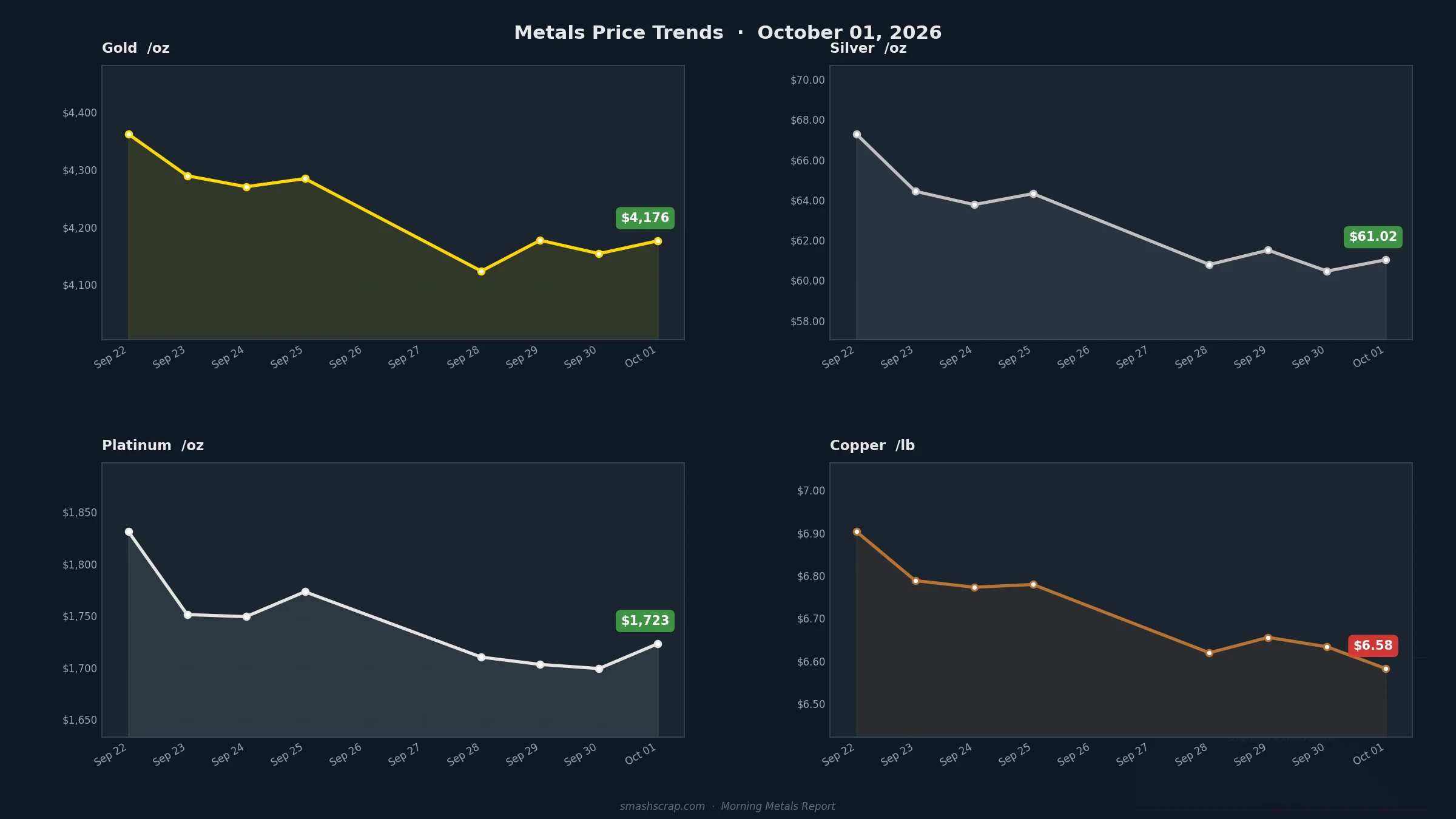
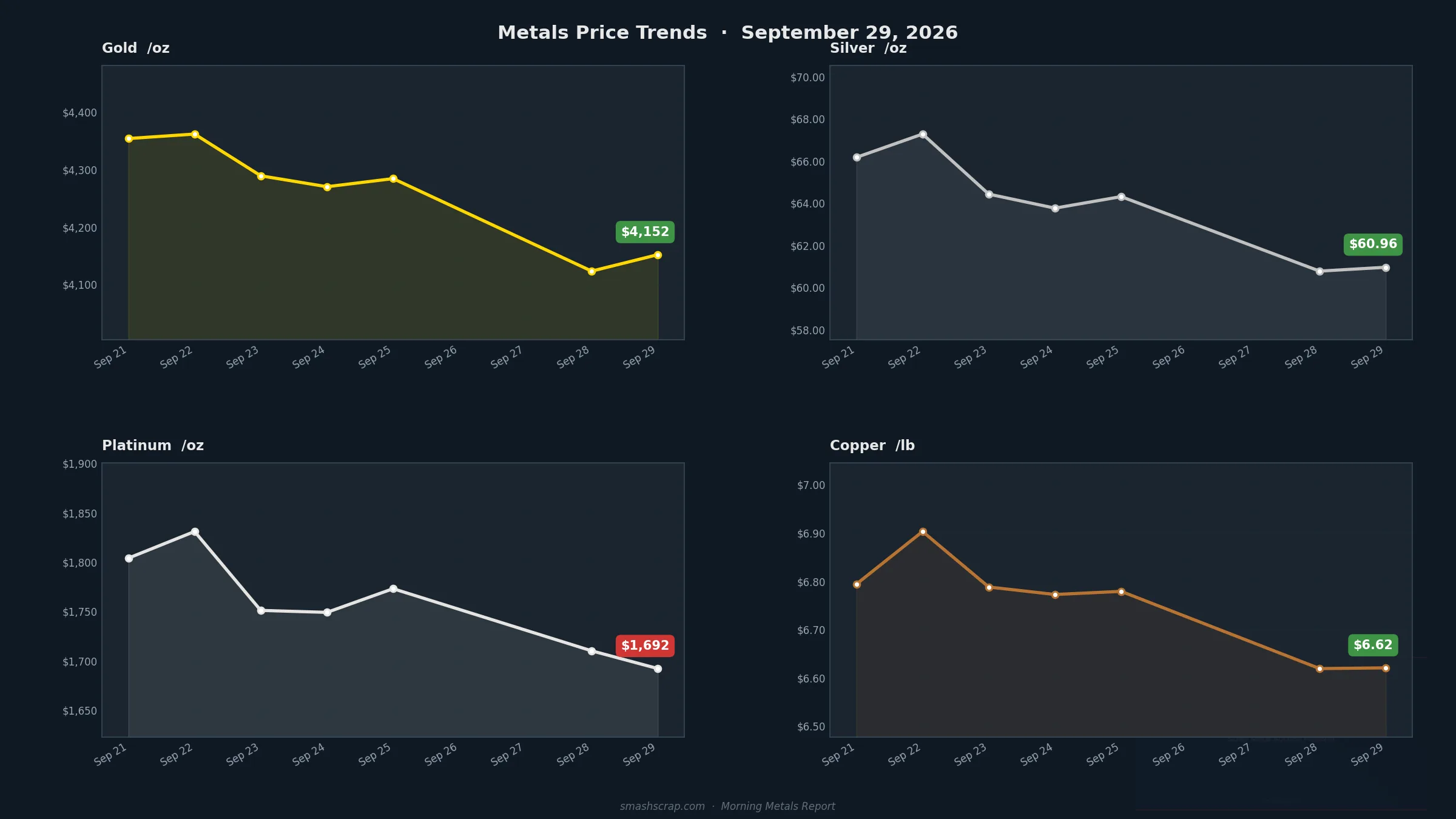
When a major US steel mill increases production runs or a large copper refinery ramps capacity, demand for Canadian-origin scrap rises — and so do the prices offered at yards. The reverse happens during US industrial slowdowns. For Quebec-based sellers tracking scrap metal prices today, understanding this cause-and-effect relationship helps you time your sales more intelligently.
Key price drivers that link Canada and US scrap markets include:
- LME copper prices — Copper scrap prices in Quebec closely track LME spot copper. When copper scrap prices rise on world markets, cross-border buyers become aggressive.
- PGM spot prices — Platinum price, palladium price, and rhodium price are globally set and directly affect what US and international processors will pay for catalytic converters originating from Canadian dismantlers. In 2026, PGM markets remain volatile, making real-time pricing visibility essential.
- USD/CAD exchange rate — A stronger US dollar relative to the Canadian dollar makes Canadian scrap effectively cheaper for American buyers, increasing cross-border demand and supporting domestic prices.
- Freight and fuel costs — These logistics inputs affect whether cross-border shipments are economically viable at any given price spread.
Disclaimer: Scrap metal prices fluctuate daily based on market conditions. Always check current rates before making selling decisions.
Platforms like explore SMASH Recycling's auction platform give Canadian sellers real-time competitive bids — a genuine advantage in a market where timing matters as much as volume.
How Canadian Sellers Can Access Cross-Border Markets Through Online Platforms
Historically, accessing cross-border scrap buyers meant having an established broker relationship or belonging to a large trading network. Small and mid-size yards in Quebec — including those searching for a scrap metal warehouse near me or looking to sell scrap metal online — were often locked out of the best pricing that larger players captured.
That landscape has shifted considerably in 2026. B2B digital marketplaces and scrap metal auction platforms now connect Canadian sellers directly with verified buyers — including US-based processors and brokers — without requiring a pre-existing relationship or a middleman taking margin.
Here is how the process typically works on a platform like SMASH:
- List your material — Describe your scrap type, grade, weight, and location. Photographs and assay documentation strengthen buyer confidence.
- Verified buyers bid — Rather than accepting the first local offer, you let a competitive auction process surface the best available price across a broader buyer network.
- Negotiate logistics — For cross-border loads, logistics terms (who arranges transport, customs documentation responsibility) are negotiated directly with the winning buyer.
- Get paid — Transparent platform records protect both sides of the transaction.
For auto recycling Longueuil businesses with consistent volumes of catalytic converters or non-ferrous material, this model can meaningfully improve net realized prices. SMASH Scrap — where verified buyers bid on your metal — brings that competitive market directly to your operation, regardless of your size.
Businesses in Manitoba and other provinces also benefit. Whether you are focused on scrap car recycling Manitoba Canada or operating a Quebec dismantler, the platform serves Canadian sellers coast to coast.
Practical Tips for Quebec Scrap Sellers Entering Cross-Border Trade
If you are a yard, dismantler, or industrial seller in Longueuil or anywhere across Quebec considering your first cross-border scrap transaction, preparation is everything. The upside is real — but so are the compliance obligations and logistics complexities.
Here are actionable steps to get started on the right foot:
- Get your documentation in order. Ensure you have clear records of material origin, especially for catalytic converters and automotive-derived metals. Buyers and border agencies will ask.
- Understand your material grades. Cross-border buyers are sophisticated. Knowing whether your copper is #1, #2, or bare bright — and being able to prove it — directly affects your pricing.
- Work with a licensed customs broker. For commercial shipments, a Canadian customs broker who handles metals exports will save you time and prevent costly compliance errors.
- Monitor exchange rates. A few cents of movement in the CAD/USD rate can flip the economics of a cross-border deal. Build rate monitoring into your selling routine.
- Use a B2B platform to test the market. Before committing to a logistics investment, use a platform to see what cross-border buyers will actually pay for your material grade and volume.
- Stay connected to industry associations. ARC and OARA regularly update guidance on cross-border best practices. Membership pays dividends for serious operators.
You can also read the latest from SMASH Recycling for ongoing market insights, pricing trends, and practical guides for Canadian scrap sellers at every stage.
The Future of Canada-US Scrap Metal Trade
In 2026, cross-border scrap metal trade is more transparent, more digital, and more accessible to independent Canadian operators than it has ever been. The combination of real-time pricing data, B2B auction platforms, and strengthened industry standards means that a yard in Longueuil can genuinely compete for the same buyers as a major Toronto or Montreal broker.
The fundamentals remain strong. North American steel mills continue to prefer scrap-fed electric arc furnace production over virgin ore processing. Demand for recovered non-ferrous metals — copper, aluminum, and PGMs — is structurally supported by the energy transition and EV battery production cycles. Canada, as a major scrap-generating economy, sits well-positioned in this landscape.
If you are ready to stop accepting the first local bid and start accessing a genuine competitive market, join Canada's B2B scrap marketplace on SMASH Recycling and see what verified buyers across North America will actually pay for your material. The registration process is straightforward, and the potential upside — especially for sellers with consistent volume — is significant.
Frequently Asked Questions
Q: Can I sell scrap metal from Longueuil directly to US buyers?
Yes, Canadian sellers in Longueuil can sell scrap metal to US buyers, but cross-border shipments require proper export documentation, customs declarations, and in some cases environmental compliance certificates. Working with a licensed customs broker and using a verified B2B platform like SMASH simplifies this process considerably.
Q: How do metal recycling prices in Quebec compare to US scrap prices?
Quebec scrap metal prices closely track North American market benchmarks and are influenced by the same LME spot prices and industrial demand signals. The CAD/USD exchange rate creates periodic pricing differentials that make cross-border sales advantageous for Canadian sellers. Always check current rates, as prices fluctuate daily.
Q: What documents do I need to export scrap metal from Canada to the US?
You will typically need a commercial invoice, a packing list, a Canada Customs Export Declaration (B13A for controlled goods), and depending on material type, environmental compliance documentation under CEPA regulations. Catalytic converters may require additional provenance records due to anti-theft enforcement.
Q: Is auto recycling in Longueuil subject to specific provincial regulations before cross-border sales?
Yes. Quebec auto recyclers must comply with provincial environmental standards for vehicle depollution before dismantling and selling parts or metals. The Automotive Recyclers of Canada (ARC) publishes standards that align with Quebec provincial requirements and are a useful compliance reference for Longueuil-area operators.
Q: How do I find verified US buyers for Canadian scrap metal without a broker?
B2B scrap metal auction platforms like SMASH connect Canadian sellers directly with verified buyers — including US-based processors — through a competitive bidding process. This eliminates the need for a traditional broker relationship and gives sellers transparent, market-driven pricing on every load.
Ready to take your scrap metal operation beyond local bids? Join Canada's B2B scrap marketplace — register at smashrecycling.ca and start connecting with verified buyers across North America today.
Follow SMASH on LinkedIn for real-time industry updates, scrap metal market insights, and cross-border trade news: SMASH Recycling on LinkedIn.