Stop Scrap Metal Fraud: Laval Auto Recycling Guide
Nearly 40% of scrap metal transactions in Canada involve some form of misrepresentation, whether it's grade inflation, weight discrepancies, or outright material substitution. For auto recycling Laval operations and recycling yards across Quebec, this fraud epidemic creates a costly trust crisis that undermines profitable partnerships and market stability.
SMASH Recycling's transparent auction platform revolutionizes how Canadian businesses handle B2B scrap transactions by implementing multi-layer verification systems that protect both sellers and buyers from fraudulent practices. Through real-time bidding, verified seller profiles, and standardized material classifications, the platform eliminates the opacity that enables scrap metal fraud to flourish.
The Anatomy of Scrap Metal Fraud in Canadian Markets
Scrap metal fraud manifests in several sophisticated forms that cost Canadian recyclers millions annually. Grade misrepresentation tops the list, where sellers pass off lower-grade materials as premium copper or aluminum. A common scheme involves mixing clean copper wire with oxidized or contaminated pieces, then pricing the entire lot at #1 copper rates.
Weight manipulation presents another significant challenge. Some sellers use moisture, dirt, or hidden ferrous materials to inflate weights artificially. In Laval's competitive auto recycling market, this practice particularly affects catalytic converter transactions where precious metal content determines value.
Material substitution schemes have grown more sophisticated in 2026. Fraudsters now use zinc-plated steel disguised as stainless steel or aluminum alloys misrepresented as pure aluminum. These deceptions become costly when buyers discover the truth during processing, leading to disputes that can destroy business relationships.
Geographic isolation compounds these problems for Quebec recyclers. Traditional verification methods rely on physical inspection, but distance between buyers and sellers creates opportunities for misrepresentation. Remote transactions increase fraud risk, making digital verification systems essential for maintaining market integrity.
How SMASH's Verification System Protects Laval Recyclers
SMASH Recycling implements a comprehensive verification protocol that begins before materials ever reach the marketplace. Every seller undergoes a rigorous vetting process that includes business license verification, insurance confirmation, and reference checks from existing industry partners. This screening eliminates fly-by-night operators who typically perpetrate fraud schemes.
The platform requires detailed photographic documentation for every listing. Sellers must provide multiple angles showing material condition, contamination levels, and grade quality. High-resolution images reveal details that traditional phone negotiations miss, giving Laval buyers confidence in their purchasing decisions.
Material classification follows standardized industry protocols established by the Automotive Recyclers of Canada (ARC). Each listing specifies grade, contamination percentage, and processing requirements using uniform terminology that eliminates ambiguous descriptions. This standardization prevents the creative categorization that enables fraud.
SMASH's digital chain of custody tracking creates an immutable record from listing creation through final delivery. Time-stamped entries document every transaction step, making it impossible to alter material descriptions retroactively. When you explore SMASH Recycling's auction platform, you'll see how this transparency builds trust between Quebec buyers and sellers nationwide.
Real-Time Price Transparency and Market Protection
Traditional scrap markets often operate with opaque pricing that creates opportunities for manipulation. SMASH's real-time auction system ensures all participants see identical pricing information simultaneously, preventing the price disparities that fraudulent operators exploit.
Live bidding reveals true market value through competitive dynamics. When multiple verified buyers compete for copper recycling Laval materials, artificial pricing becomes impossible to maintain. The auction format forces realistic pricing based on actual material quality and current market conditions.
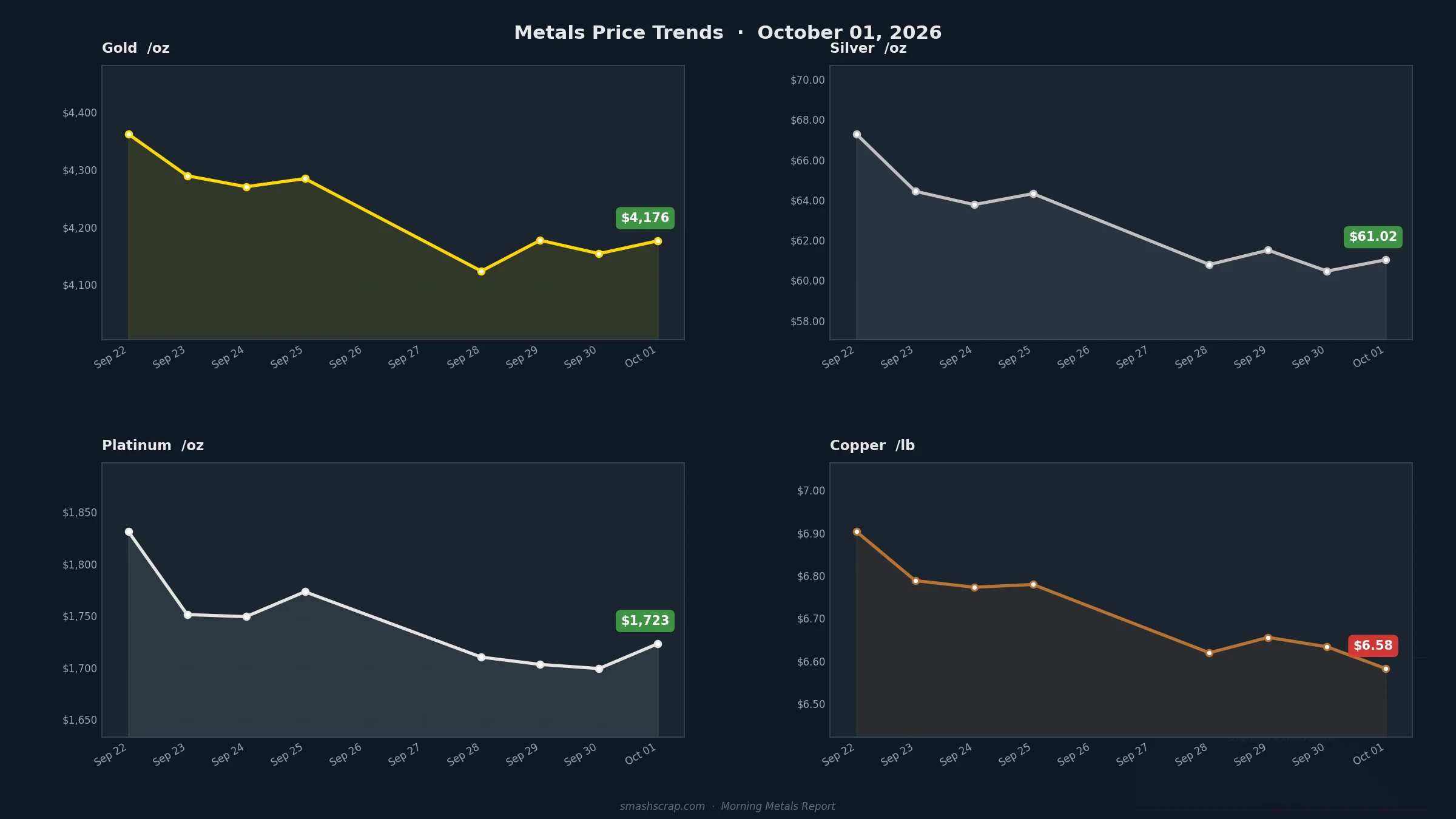
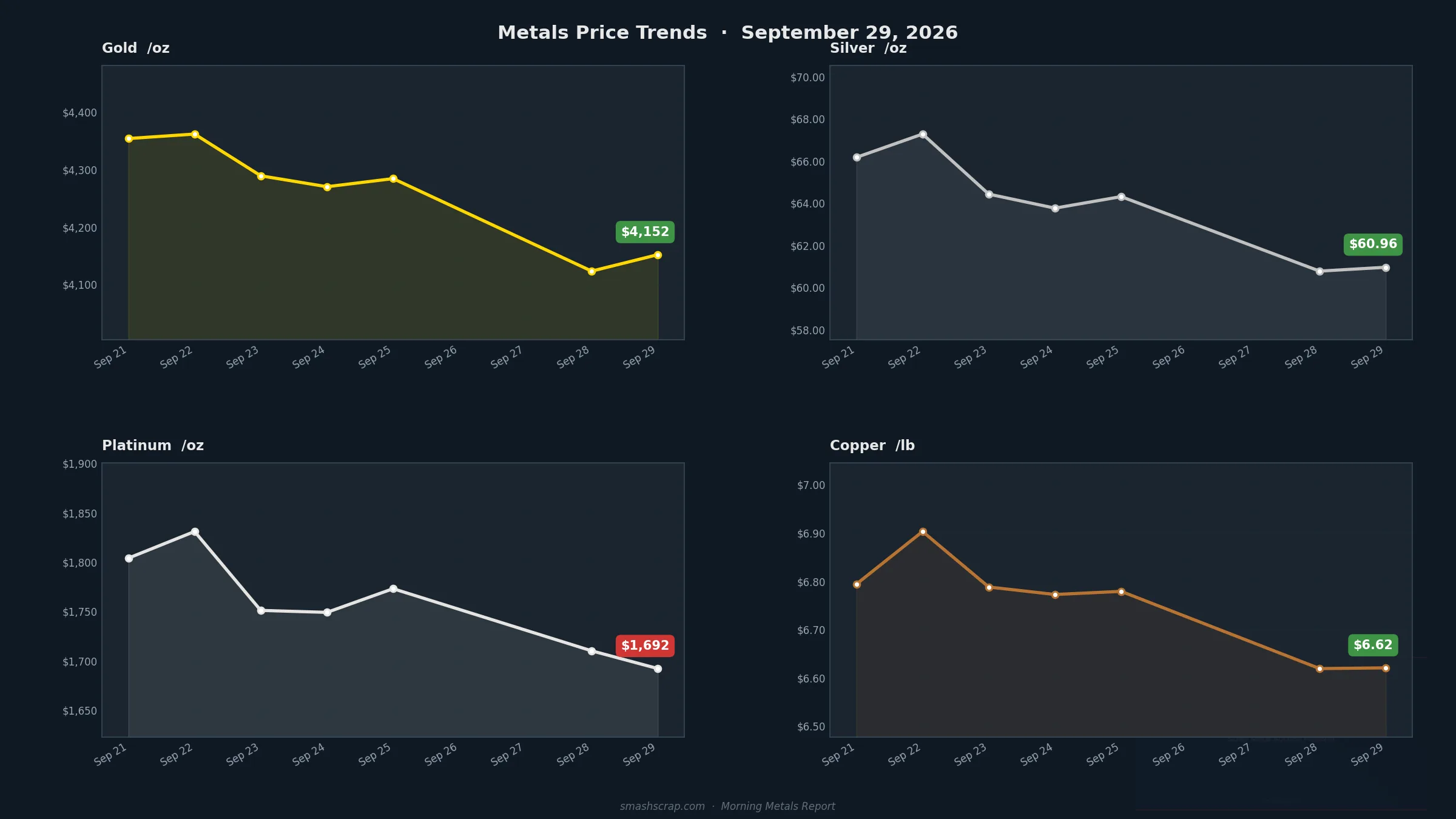
Historical pricing data provides context that helps identify suspicious listings. If a seller consistently prices materials significantly above or below market rates, the platform's algorithms flag these anomalies for additional review. This automated monitoring catches patterns that manual oversight might miss.
Regional pricing adjustments account for transportation costs and local market conditions specific to Quebec operations. Laval recyclers benefit from pricing models that reflect their geographic advantages and logistical considerations, ensuring fair compensation without artificial inflation.
Building Trust Through the B2B Scrap Metal Marketplace
SMASH's reputation system creates accountability that traditional spot markets lack. Every transaction generates mutual feedback between buyers and sellers, building comprehensive profiles that reveal reliability patterns over time. Fraudulent operators cannot maintain positive ratings across multiple transactions.
Dispute resolution protocols provide structured remedies when problems arise. Rather than relying on informal negotiations that favor larger players, the platform offers standardized procedures for addressing quality disputes, delivery issues, and payment problems. This systematic approach protects smaller Laval recyclers who might otherwise lack leverage in conflict situations.
Payment protection through escrow services eliminates the payment fraud that plagues direct transactions. Funds remain secure until both parties confirm transaction completion, preventing the advance payment schemes that target unsuspecting sellers. This protection proves especially valuable for new market entrants building their customer base.
Industry certification integration connects the platform with respected organizations like the Ontario Automotive Recyclers Association (OARA) and ARC. Members of these associations receive verified status that signals their commitment to professional standards and ethical practices.
Technology Solutions for Fraud Prevention
Artificial intelligence algorithms continuously analyze listing patterns to identify potential fraud indicators. Machine learning models trained on historical fraud cases can detect anomalies in pricing, descriptions, and seller behavior that suggest deceptive practices. This automated screening catches problems before they reach the marketplace.
Blockchain integration creates tamper-proof transaction records that cannot be altered after creation. Each material movement, from initial listing through final delivery, receives cryptographic verification that establishes an unbreakable chain of custody. This technology eliminates the document forgery that enables sophisticated fraud schemes.
Mobile apps enable real-time verification during pickup and delivery. Drivers can photograph materials, record weights, and document conditions immediately, creating contemporaneous evidence that prevents after-the-fact disputes. GPS tracking confirms delivery locations and timestamps, adding another layer of verification.
Integration with scale systems provides automated weight verification that eliminates manual manipulation. Digital scales connected to the platform upload weight data directly, preventing the human intervention where fraud typically occurs. When you join Canada's B2B scrap marketplace on SMASH Recycling, these technological safeguards protect every transaction.
Supporting Legitimate Recyclers in Quebec's Growing Market
Quebec's circular economy initiatives have increased demand for verified recycled materials, making fraud prevention even more critical for maintaining market integrity. Provincial regulations require documentation that proves material origin and processing history, creating compliance burdens that SMASH's verification systems help satisfy.
Educational resources help Laval recyclers recognize and avoid fraud attempts. The platform provides training materials covering common schemes, red flags to watch for, and best practices for secure transactions. This knowledge sharing strengthens the entire recycling community's resistance to fraudulent operators.
Partnerships with industry associations ensure the platform's standards align with evolving best practices. Regular updates incorporate new fraud prevention techniques and regulatory requirements that affect automotive recyclers Canada operations. Staying current with these developments protects platform users from emerging threats.
Network effects create stronger fraud protection as more legitimate recyclers join the platform. Fraudulent operators lose effectiveness when surrounded by verified businesses that can easily identify and report suspicious activities. The growing community becomes self-policing, enhancing security for all participants.
SMASH Recycling transforms scrap metal trading by eliminating the opacity that enables fraud while creating transparent, competitive markets that benefit honest recyclers. For Laval operations seeking reliable partnerships and fair pricing, the platform offers the verification, protection, and market access needed to thrive in Quebec's evolving recycling landscape. To learn more about fraud prevention strategies and market insights, read the latest from SMASH Recycling.
The future of Canadian scrap metal trading depends on platforms that prioritize transparency and accountability over quick profits. By choosing verified marketplaces that protect against fraud, recyclers contribute to a more sustainable and trustworthy industry that benefits everyone involved. Whether you're selling catalytic converters, processing copper wire, or handling mixed metals, secure trading platforms provide the foundation for long-term business success. For competitive pricing on your materials, get competitive bids for your scrap metal through trusted auction channels.
Frequently Asked Questions
Q: How does SMASH verify the quality of scrap metal listings from Laval sellers?
SMASH requires comprehensive photographic documentation, standardized material classification, and seller verification before any listing goes live. The platform uses industry-standard grading protocols and AI-powered analysis to identify potential quality misrepresentations before they reach buyers.
Q: What happens if I receive auto recycling materials that don't match the listing description?
SMASH's dispute resolution system provides structured remedies including mediation services, escrow protection, and documented evidence review. The platform maintains detailed transaction records that support fair resolution of quality disputes between buyers and sellers.
Q: Can small recycling operations in Laval compete safely against larger companies on the platform?
Yes, SMASH's verification systems and reputation mechanisms create level playing fields where material quality and competitive pricing matter more than company size. Payment protection and standardized procedures prevent larger operators from exploiting smaller recyclers.
Q: How does the platform prevent weight manipulation in scrap metal transactions?
Digital scale integration uploads weight data directly to the platform, eliminating manual manipulation opportunities. GPS tracking and timestamped documentation create verifiable records of material weights at pickup and delivery points.
Q: What fraud protection exists for high-value items like catalytic converters?
High-value items receive enhanced verification including detailed photography, precious metal content documentation, and extended buyer protection periods. Blockchain tracking creates immutable custody records that prevent substitution schemes common with valuable automotive components.
Join Canada's B2B scrap marketplace — register at smashrecycling.ca to access verified buyers, transparent pricing, and comprehensive fraud protection for your recycling operations.
Follow SMASH on LinkedIn for industry updates and scrap metal market insights that keep you informed about pricing trends and best practices.