Aluminum Recycling Thunder Bay: Ditch Single-Buyer Deals
The Old Way of Selling Scrap Is Costing You Money — Here's What's Replacing It
The Canadian scrap metal market is shifting fast. Yards that relied on one buyer, one phone call, and a handshake deal are watching margins shrink. Meanwhile, operations that embraced transparent, competitive trading are pulling ahead. If you're still guessing your price on aluminum, copper, or catalytic converter loads, that gap is going to widen. This article breaks down where B2B scrap trading in Canada is heading — and how yards in regions like Thunder Bay, Ontario can position themselves to win.
aluminum recycling Thunder Bay isn't just a local concern. It's a lens into a broader story about how scrap gets bought and sold across the country. The fundamentals are changing. Buyers are getting smarter. Sellers need to get smarter too.
Why the Single-Buyer Model Is Dying
For decades, the standard approach was simple: call your buyer, get a number, load the truck. It worked when information was scarce and relationships were everything. That world is gone. Real-time commodity data is everywhere. Canadian scrap metal prices shift daily based on LME movements, currency fluctuations, and downstream demand. Selling into a single relationship without knowing the market is no longer a strategy — it's a liability.
The problem isn't just price opacity. It's documentation gaps, inconsistent invoicing, and zero accountability when a load gets shorted or disputed. Yards lose money on the front end when they undersell. They lose it again on the back end when paperwork problems delay payment or trigger claims. The single-buyer model has no structural fix for either problem.
What buyers figured out a long time ago: information asymmetry is their edge. They know what aluminum is trading at in Chicago and Montreal. You're guessing. That's the gap that competitive auction formats are built to close.
How Competitive Auctions Are Reshaping the Canadian Scrap Metal Market
Auction-based trading isn't new in commodities — but it's relatively new in scrap. The core mechanic is simple. You document your load, list it with weight, grade, and photos, and vetted buyers compete for it. Instead of accepting the first number you're offered, you let the market tell you what the load is worth. More buyers means better price discovery. That's not a marketing claim — it's how markets work.
For yards doing volume in non-ferrous materials — aluminum, copper, brass, zorba — this matters a lot. These grades have real spread between buyers. A competitive format collapses that spread in your favour. For Thunder Bay scrap metal services, where geographic isolation has historically meant fewer buyer options and thinner competition, access to a national buyer pool is a structural advantage that didn't exist five years ago.
Platforms like SMASH are built specifically for this. Explore SMASH Recycling's auction platform to see how vetted buyers across Canada compete on real loads — no subscriptions, no guessing, no single buyer setting your price. SMASH only wins when the seller wins. That alignment matters.
Scrap Metal Inventory Management: The Foundation Nobody Talks About
You can't sell what you can't describe. That's the unglamorous truth behind why a lot of yards leave money on the table. Sloppy scrap metal inventory management — vague grades, missing weights, no photos — gives buyers every excuse to low-ball. Documented inventory gives buyers confidence. Confident buyers bid higher.
The shift happening right now in Canadian scrap trading is a move toward serialized, documented loads. VIN lookups on automotive cores. Photo documentation at intake. Serial tracking on catalytic converters. Packing lists that match BOLs. This isn't bureaucracy — it's leverage. When your load is fully documented, you walk into the transaction with evidence. The buyer can't dispute what's already on record.
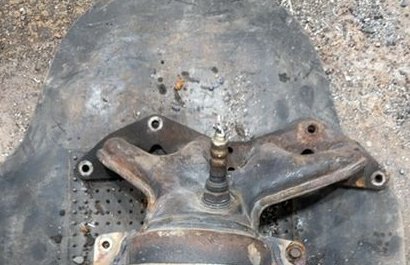
For auto recycling operations in Ontario, this is especially relevant. Catalytic converters remain one of the highest-value items coming off end-of-life vehicles. Platinum, palladium, and rhodium prices are volatile — catalytic converter prices today can swing meaningfully on short notice. If you're bundling undocumented cats into a load and taking a bulk price, you're giving away real money. Serialized tracking, matched to vehicle data, puts you in a completely different negotiating position.
Industry bodies like the Ontario Automotive Recyclers Association (OARA) and the Automotive Recyclers of Canada (ARC) have been pushing documentation and compliance standards for years. Their emphasis on traceability isn't just about regulatory compliance — it's about building the kind of transaction record that supports fair pricing and dispute resolution. Good inventory practice and good selling practice are the same thing.
What 2026 Canadian Scrap Metal Prices Are Telling the Industry
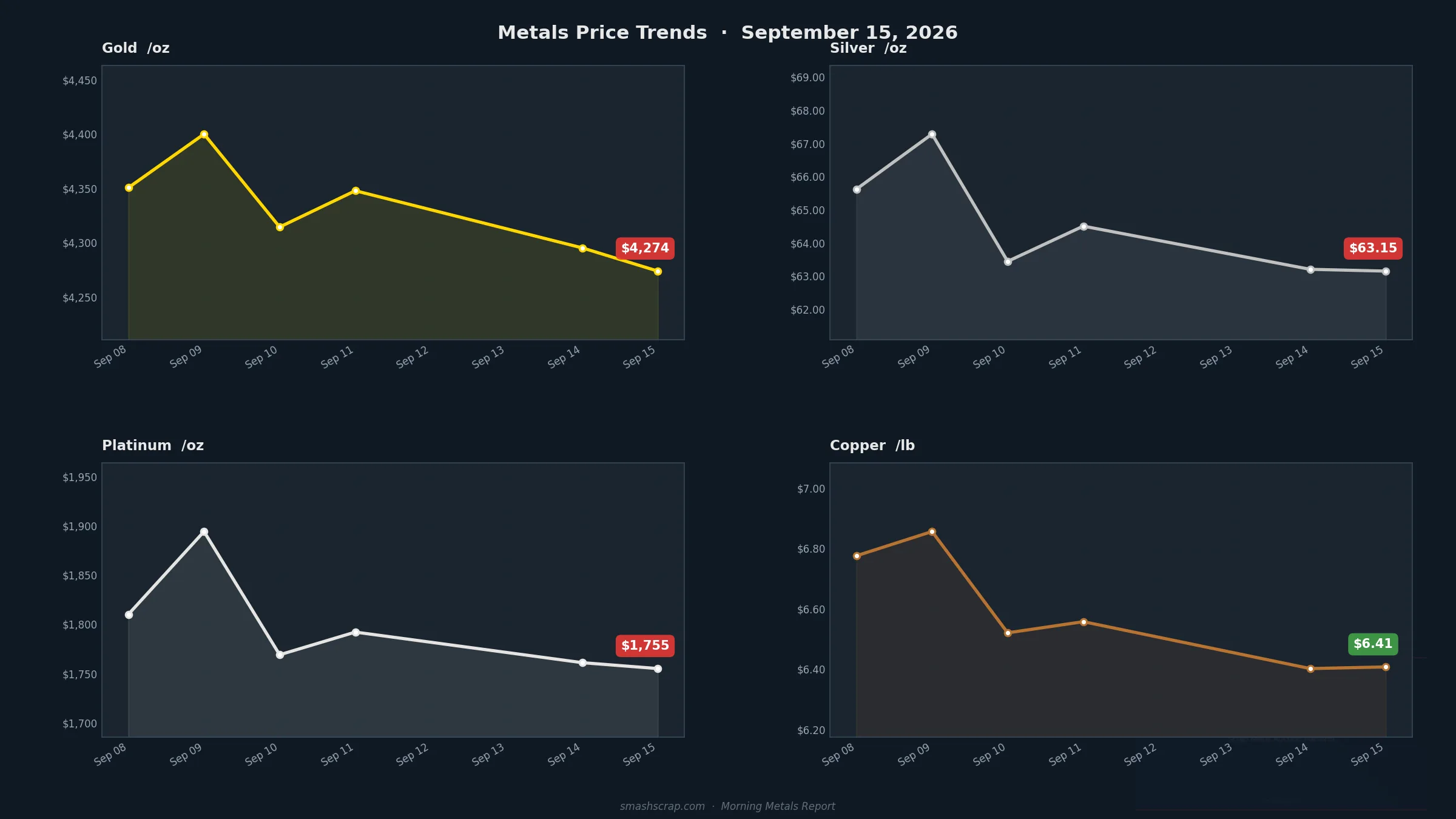
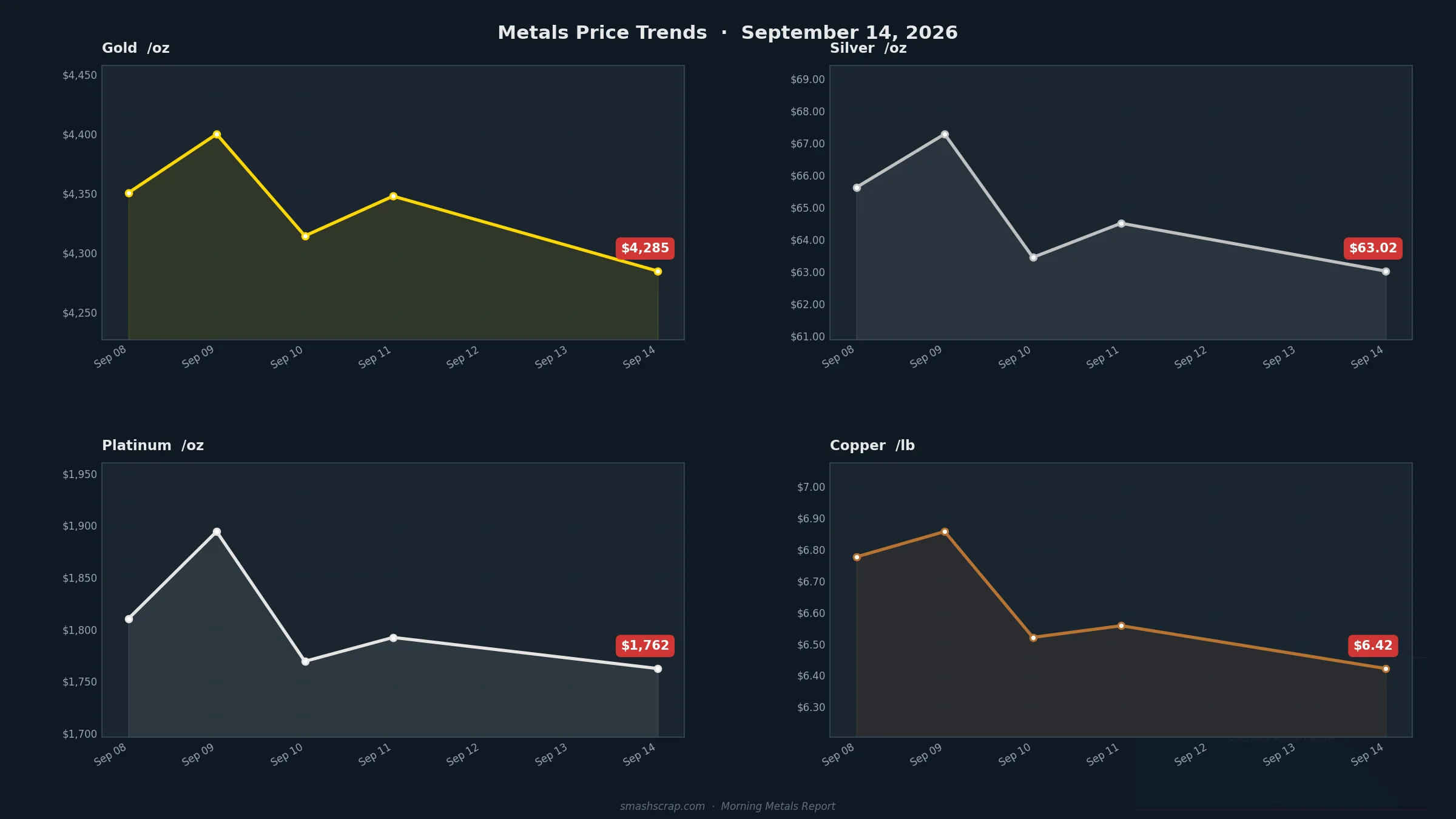
Pricing in 2026 is being shaped by a few forces that Canadian sellers need to understand. Global demand for aluminum remains strong, driven by automotive lightweighting, packaging, and infrastructure buildout. Copper scrap prices continue to reflect tight supply and robust industrial demand. Non-ferrous grades are generally well-bid when they're properly sorted and documented.
The precious metals tied to catalytic converters — platinum, palladium, and rhodium — are a different story. Rhodium in particular has seen extreme volatility over the past several years. Palladium demand is being reshaped by the EV transition, as battery-electric vehicles don't use traditional three-way catalysts. That's a long-term structural shift, not a blip. Yards in Ontario and across Canada that hold large cat inventories should be aware that the window for peak precious metal recovery may narrow as the EV fleet share grows.
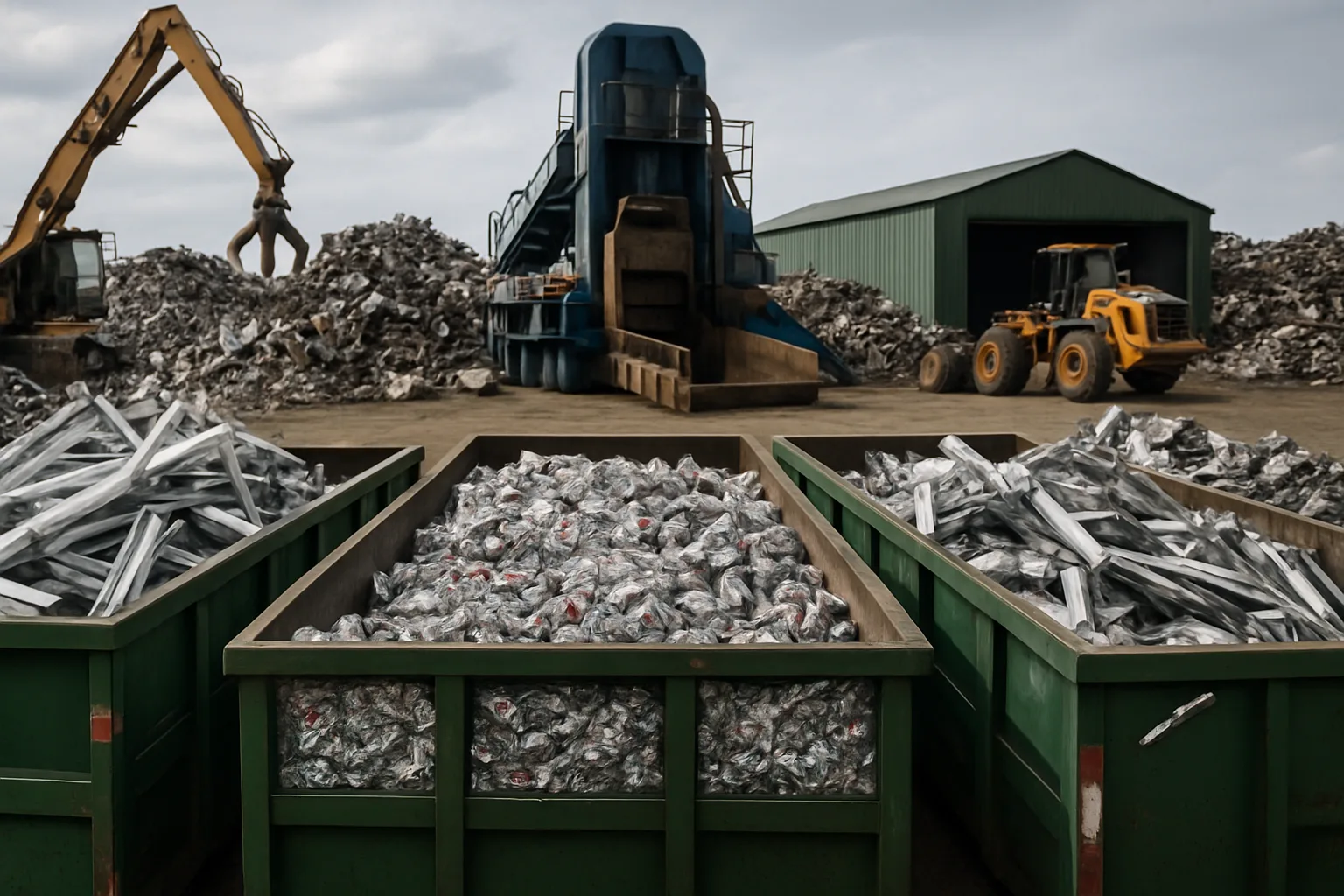
For aluminum specifically, aluminum recycling Thunder Bay operations benefit from proximity to manufacturing demand in the Great Lakes corridor. Secondary aluminum is in strong demand from casting and forging operations. Knowing your alloy grades and being able to document them accurately translates directly to better bids. A shredder-ready mixed aluminum load and a clean, sorted 6061 extrusion load are not the same product — but they get treated the same when your documentation doesn't distinguish them.
Note: Scrap metal prices fluctuate daily based on commodity markets, currency exchange, and downstream demand. Always check current rates before making trading decisions.
Auto Recycling Ontario: Where Compliance and Commerce Meet
The regulatory environment around auto recycling Ontario continues to tighten. End-of-life vehicle processing, fluid handling, and parts documentation are all subject to provincial oversight. But compliance isn't just about avoiding fines — it's about building the transaction infrastructure that modern buyers expect.
Buyers sourcing from Ontario yards increasingly want documentation trails. They want to know that catalytic converters were sourced legitimately, that VINs are tracked, that weights are accurate. The yards that have invested in intake processes and documentation systems are finding it easier to access premium buyer channels. The yards that haven't are getting squeezed into lower-tier markets.
This is exactly the gap that digital platforms are filling. When you list a load on SMASH, the platform's tools handle VIN lookup, photo documentation, and serial tracking as part of the process. Auto-invoicing eliminates the paperwork chase. GST/HST handling is built in — no separate spreadsheet to maintain, no disputes about what was and wasn't included. The infrastructure exists. The question is whether you're using it.
Thunder Bay yards in particular — operating at a distance from the major Ontario population centres — stand to gain the most from digital trading infrastructure. Geographic isolation used to mean a captive relationship with whoever was closest. A national buyer pool connected through a platform like SMASH changes that equation entirely. Join Canada's B2B scrap marketplace on SMASH Recycling and put your loads in front of buyers who can't reach you any other way.
What the Next Five Years Look Like for B2B Scrap Trading in Canada
The direction is clear. Manual, relationship-dependent trading is giving way to documented, competitive, platform-based transactions. That doesn't mean relationships stop mattering — it means relationships get built on a foundation of transparent data instead of information asymmetry.
For yards across the country, the practical steps are straightforward. Invest in intake documentation. Track your catalytic converters by serial number. Know your alloy grades before you list a load. Use platforms that put multiple vetted buyers in front of your inventory. Stop accepting the first number offered and start letting the market set your price.
North America's B2B scrap metal auction platform is already operating at scale across the continent. The question for Canadian yards — from Ontario metro markets to operations in Thunder Bay — is how long to wait before joining the side of the market that has the information advantage.
If you're ready to stop guessing and start selling with a full buyer pool behind you, read the latest from SMASH Recycling for ongoing market insights, platform updates, and practical guides for scrap sellers across Canada. And when you're ready to list your first load, register at smashrecycling.ca — no subscription fee, no commitment, just competition working in your favour.
Frequently Asked Questions
Q: What is the best way to sell aluminum scrap in Thunder Bay?
The most effective approach is to sort and document your aluminum by grade before listing — mixed loads consistently return less than sorted, identified material. Accessing a national buyer pool through a platform like SMASH gives Thunder Bay yards more buyer competition than local single-buyer arrangements typically provide. More buyers bidding on a well-documented load means better price discovery.
Q: How do Canadian scrap metal prices compare to U.S. prices?
Canadian scrap metal prices track global LME benchmarks but are also influenced by CAD/USD exchange rates, regional freight costs, and domestic demand. Yards in Ontario generally have good access to cross-border buyers, but currency fluctuations can shift the math quickly. Always compare current Canadian market rates rather than assuming parity with U.S. published prices.
Q: How does a B2B scrap metal marketplace work in Canada?
A B2B scrap marketplace connects verified sellers — recycling yards, industrial generators — with vetted buyers through a structured listing and auction process. Sellers document their loads, set minimum terms, and buyers compete through bids. SMASH operates this model in Canada with built-in tools for VIN lookup, photo documentation, auto-invoicing, and GST/HST handling.
Q: Are catalytic converter prices still strong in 2026?
Catalytic converter values depend on the precious metal content — primarily platinum, palladium, and rhodium — and those prices remain active but volatile. The long-term outlook is being shaped by EV adoption, which reduces demand for traditional catalytic converters over time. Serializing and documenting your cat inventory is the best way to ensure you're capturing full value on current market pricing. Always check current rates before selling.
Q: What does OARA or ARC have to do with selling scrap metal?
The Ontario Automotive Recyclers Association (OARA) and the Automotive Recyclers of Canada (ARC) set standards for end-of-life vehicle processing, documentation, and environmental compliance. Following their guidelines builds the kind of transaction record that supports fair pricing, reduces disputes, and opens access to premium buyer channels. Compliant yards are simply more attractive to serious buyers.
Stay current on scrap metal market trends and platform updates — follow SMASH on LinkedIn for industry insights, pricing context, and news relevant to Canadian scrap sellers and buyers.