
Winter's Effect on Scrap Car Recycling Victoria Markets
How Canadian Winters Shape Victoria's Scrap Metal Market
The rhythmic pulse of Canada's scrap metal industry follows a predictable seasonal pattern, with scrap car recycling Victoria operations experiencing dramatic shifts as winter weather sweeps across British Columbia. Understanding these seasonal fluctuations helps recyclers, scrap yards, and metal buyers time their operations for maximum profitability.
Victoria's relatively mild coastal climate doesn't shield the local scrap metal market from broader Canadian winter effects. When eastern provinces freeze solid and transportation costs spike, ripple effects reach every corner of the country's recycling network. Smart operators track these patterns to optimize their buying and selling strategies.
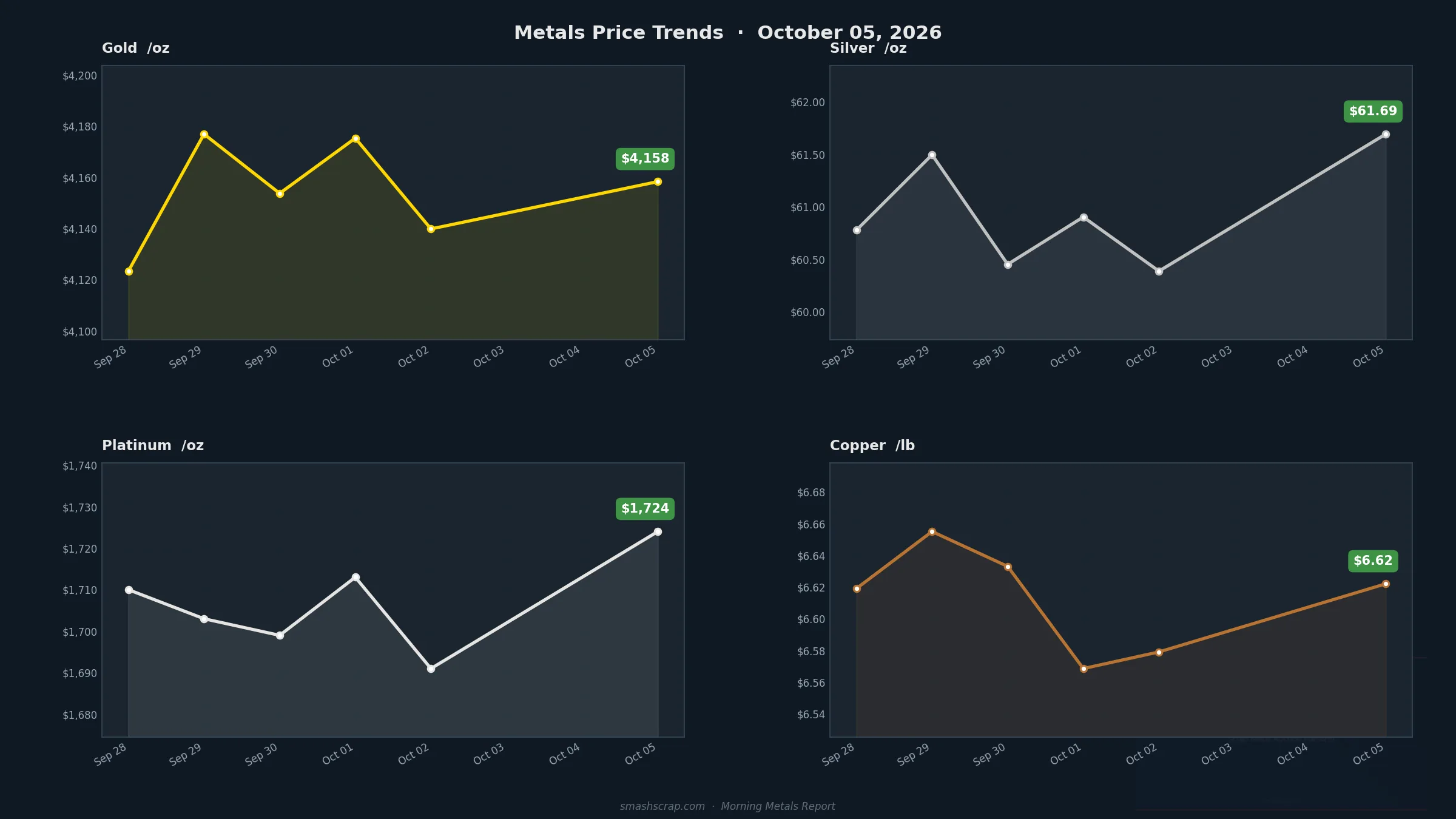
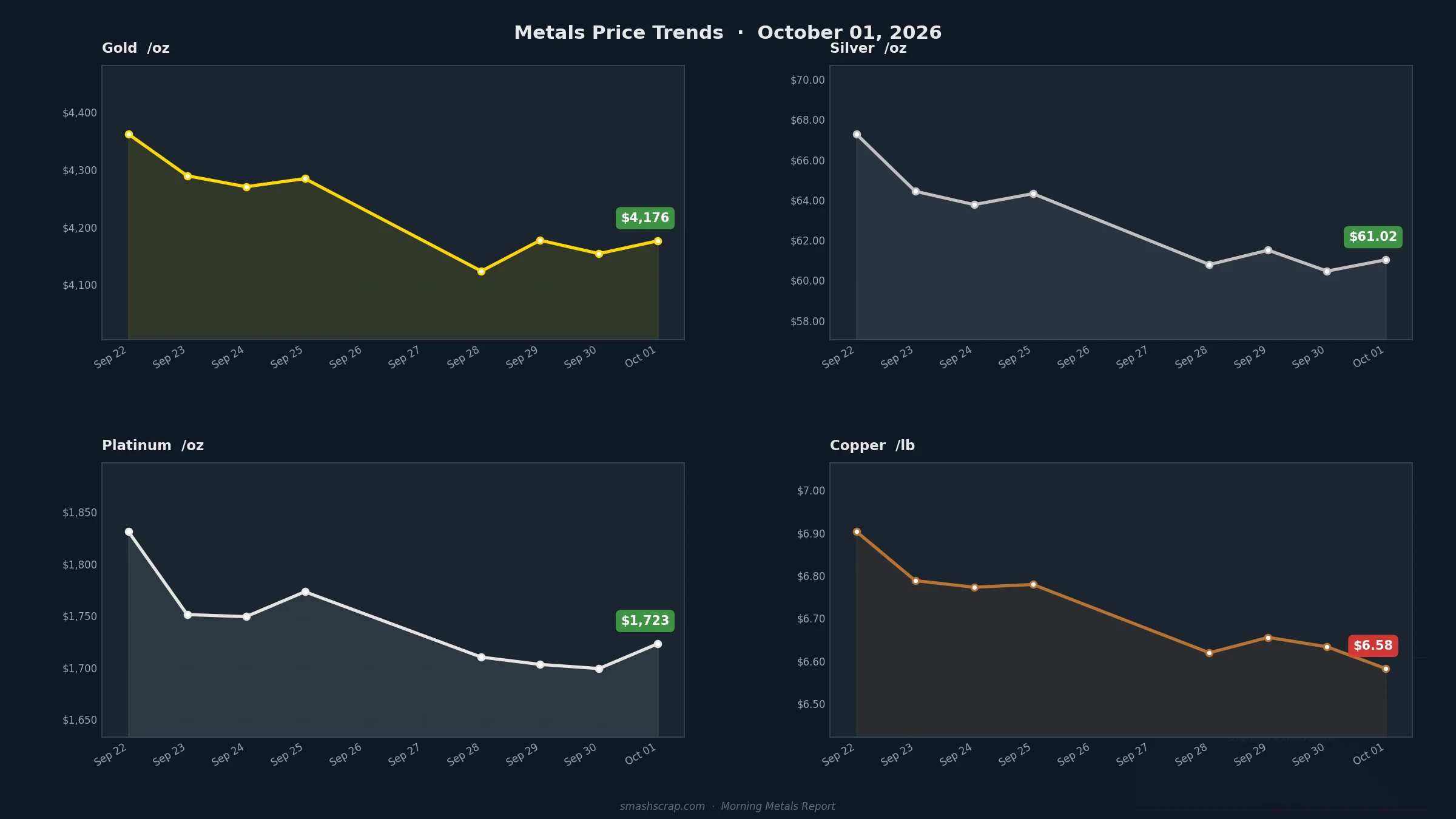
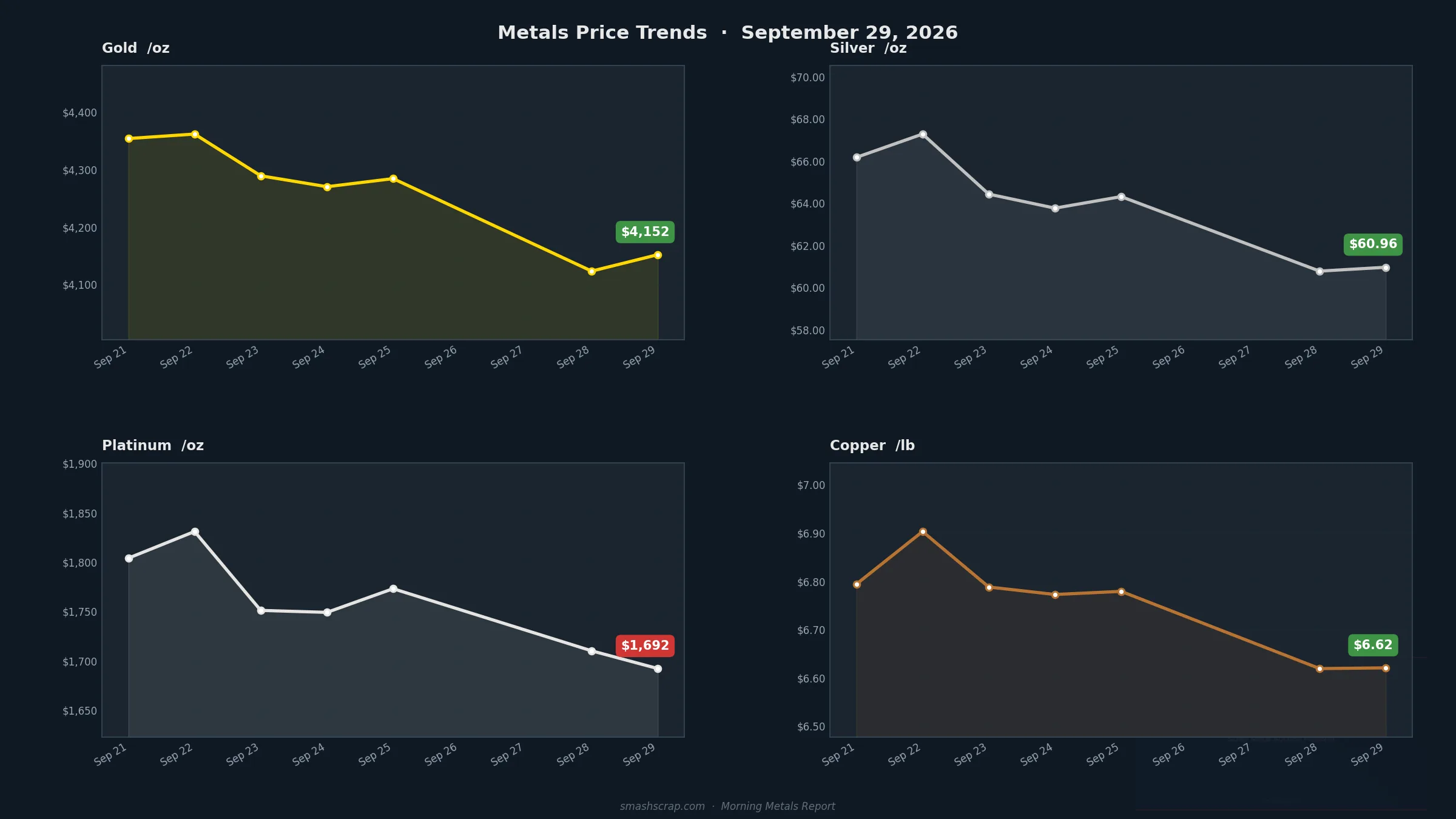
The catalytic converter recycling Canada market exemplifies these seasonal dynamics. Winter driving conditions increase vehicle accidents and breakdowns, creating sudden surges in salvage inventory. Simultaneously, reduced mining operations in northern regions tighten precious metal supplies, driving up the value of platinum, palladium, and rhodium recovered from catalytic converters.
Winter Weather Impact on Scrap Metal Transportation and Processing
Canadian winters create logistical nightmares that directly impact scrap metal prices today. Frozen railways, impassable roads, and delayed shipping schedules increase transportation costs across the supply chain. These delays often create artificial scarcity, pushing prices higher during peak winter months.
Processing facilities face their own winter challenges. Outdoor scrap yards in Victoria operate year-round, but facilities in Alberta, Saskatchewan, and Manitoba often reduce operations during extreme cold snaps. Equipment failures spike when temperatures plummet, creating bottlenecks that affect pricing nationwide.
The automotive recycling sector experiences particularly acute winter pressures. Vehicle recovery becomes exponentially more difficult when tow trucks can't navigate icy roads. This seasonal constraint often creates inventory shortages that boost scrap metal prices canada per ton during late winter and early spring months.
Smart recyclers use platforms like explore SMASH Recycling's auction platform to capitalize on these seasonal price fluctuations, timing their sales when demand peaks and transportation constraints drive prices upward.
Seasonal Demand Patterns in British Columbia's Scrap Markets
Victoria's scrap metal market experiences unique seasonal patterns driven by both local and national factors. Construction activity slows during winter months, reducing demand for recycled steel and aluminum. However, this seasonal dip often coincides with reduced supply, creating complex pricing dynamics.
The marine industry in British Columbia creates additional seasonal demand patterns. Shipyard maintenance peaks during winter months when vessels return to port. This creates steady demand for specialized metals and components, supporting local SMASH scrap metal auction activity even during traditionally slow periods.
Precious metals markets show pronounced seasonal sensitivity. Winter jewelry manufacturing ramps up for spring collections, increasing demand for recycled gold, silver, and platinum. Catalytic converter recycling benefits from this trend, as processors compete aggressively for feedstock containing these valuable materials.
Mining operations across Canada significantly reduce activity during harsh winter months. This seasonal slowdown tightens supplies of primary metals, often boosting recycled material values. Scrap dealers who understand these patterns can time their inventory moves to capture maximum value.
Catalytic Converter Markets and Winter Price Volatility
Understanding how much is a recycled catalytic converter worth requires tracking seasonal automotive patterns alongside precious metal markets. Winter months typically see increased vehicle failures and accidents, creating inventory spikes that temporarily depress individual unit values.
However, processing constraints during winter often create bottlenecks that support overall market prices. Refineries operating at reduced capacity cannot keep pace with inventory accumulation, creating opportunities for patient sellers who can store inventory until processing catches up.
The Ontario Automotive Recyclers Association (OARA) reports that winter catalytic converter yields often exceed summer processing by 15-20%, yet per-unit values can vary dramatically based on timing and storage capacity. Professional recyclers leverage this knowledge to optimize their operations.
Platforms like SMASH Scrap — where verified buyers bid on your metal help sellers navigate these volatile conditions by connecting them with buyers who understand seasonal market dynamics and can offer competitive pricing year-round.
Strategic Timing for Maximum Scrap Metal Profitability
Successful scrap metal operations in Victoria and across British Columbia require careful attention to seasonal timing patterns. Spring typically brings the strongest pricing as transportation networks normalize and construction activity resumes. Smart operators accumulate inventory during winter lulls and release it during these peak demand periods.
The Automotive Recyclers of Canada (ARC) emphasizes the importance of understanding regional seasonal patterns for optimizing recycling operations. Their research shows that facilities which align their operations with seasonal demand cycles achieve 12-18% better profitability than those operating without seasonal awareness.
SMASH Recycling's auction platform provides real-time market data that helps sellers identify optimal timing for their inventory releases. By tracking bidding patterns and price trends, sellers can identify seasonal opportunities that maximize their returns while minimizing storage costs.
Technology platforms increasingly help smaller operators compete with larger facilities by providing market intelligence that was previously available only to major industry players. join Canada's B2B scrap marketplace on SMASH Recycling to access these tools and optimize your seasonal strategies.
Forward-thinking recyclers also monitor international seasonal patterns. Asian manufacturing cycles, European construction seasons, and global shipping patterns all influence Canadian scrap metal pricing. Understanding these broader patterns provides additional timing advantages for strategic sellers.
Weather forecasting has become an essential tool for scrap metal traders. Severe weather predictions allow operators to adjust inventory levels, transportation schedules, and pricing strategies to capitalize on anticipated market disruptions. This level of market sophistication separates successful operations from those struggling with seasonal volatility.
As Canada's scrap metal markets continue evolving, successful operators combine traditional industry knowledge with modern technology platforms to navigate seasonal challenges and maximize profitability. Stay informed about market trends and seasonal patterns by reading insights from industry experts at read the latest from SMASH Recycling. Whether you're dealing with winter inventory accumulation or spring market opportunities, join Canada's B2B scrap marketplace on SMASH Recycling to connect with verified buyers who understand seasonal market dynamics.
Frequently Asked Questions
Q: How do Canadian winters specifically affect scrap car recycling in Victoria?
While Victoria enjoys milder winters than most Canadian cities, the local scrap car recycling market still feels nationwide effects. Transportation delays from eastern provinces increase logistics costs, and reduced processing capacity elsewhere often drives up local scrap values. Winter vehicle accidents across Canada also create inventory surges that affect pricing patterns.
Q: When are catalytic converter prices typically highest in Canada?
Catalytic converter prices often peak in late winter and early spring when processing backlogs from winter slowdowns create artificial scarcity. Mining operations reduce output during harsh winter months, tightening supplies of platinum, palladium, and rhodium that make converters valuable for recycling.
Q: Should I store scrap metal during winter or sell immediately?
Storage strategies depend on your specific materials and local conditions. Non-ferrous metals like copper and aluminum often benefit from winter storage if you have covered facilities, as spring construction demand typically drives prices higher. However, ferrous materials may deteriorate if stored improperly in wet conditions.
Q: How does British Columbia's climate affect local scrap metal operations?
British Columbia's coastal climate allows year-round operations that many other provinces can't maintain. This gives local recyclers advantages in consistent processing and transportation, but they still face pricing impacts from national seasonal patterns and reduced activity in other regions.
Q: What seasonal factors most influence scrap metal auction prices?
Transportation costs, processing capacity, construction demand, and mining output all create seasonal price fluctuations. Winter typically reduces supply chain efficiency while spring construction season increases demand, creating optimal selling opportunities for patient recyclers who time their auctions strategically.
Stay connected with industry trends and market insights by following SMASH on LinkedIn at https://www.linkedin.com/company/scrap-metal-auction-sales-hub for regular updates on scrap metal market conditions and seasonal trading opportunities.