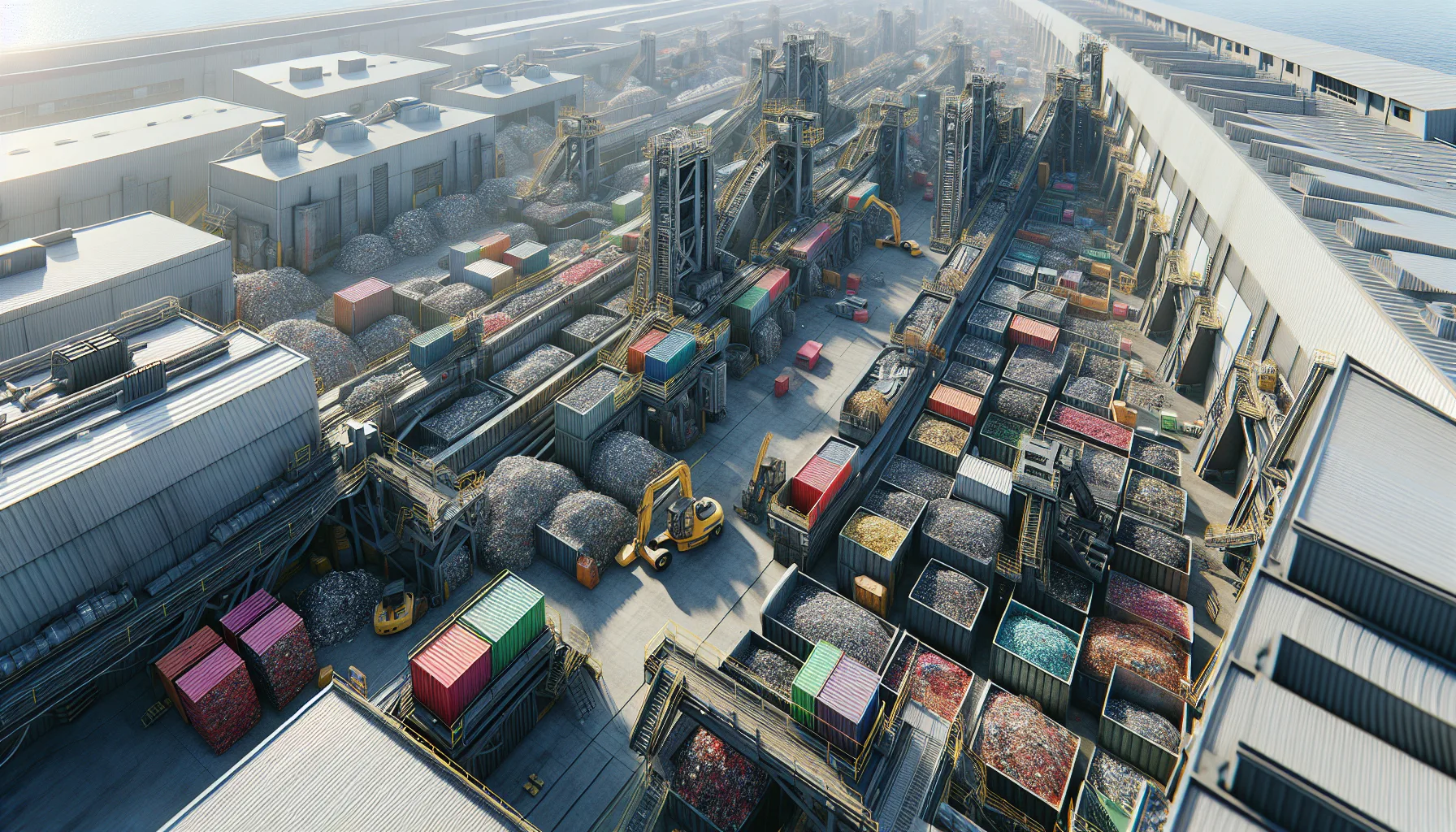
Winnipeg Scrap Metal Prices Today: Logistics Case Study
How Strategic Logistics Transformed Prairie Metal Works' B2B Scrap Operations
When Prairie Metal Works in Winnipeg faced mounting transportation costs and unpredictable delivery schedules in early 2026, their B2B scrap metal operations were bleeding profits. Despite tracking scrap metal prices today religiously, owner Sarah Chen discovered that logistics expenses were eating 40% of their margins on smaller loads. Her solution? A complete overhaul of their shipping strategy that boosted profits by 65% in six months.
This transformation highlights why logistics isn't just about moving metal — it's the backbone of profitable scrap trading. For Manitoba's growing network of recycling yards and metal processors, understanding shipping dynamics can mean the difference between thriving and merely surviving in today's competitive market.
The Challenge: Rising Costs in Manitoba's Scrap Metal Network
Prairie Metal Works specialized in processing automotive catalytic converters and copper wire from Winnipeg's industrial corridor. They had the buyers lined up, understood market fluctuations, and could explore SMASH Recycling's auction platform to find competitive prices. But their logistics were a mess.
Chen's team was shipping small loads individually to buyers across Western Canada. A 500-pound shipment of copper scrap might cost $200 to transport to Calgary — nearly 15% of the load's value when copper prices hit typical ranges. Worse, delivery delays meant missing optimal pricing windows when scrap metal prices today might spike or drop unexpectedly.
The breaking point came when a delayed shipment of catalytic converters missed a price peak by three days, costing them $8,000 in lost revenue. Chen knew something had to change.
The Solution: Consolidation Meets Technology
Chen partnered with two other Winnipeg-based scrap dealers to create shared shipping routes. Instead of three separate companies each sending partial loads, they began coordinating full truckloads on predetermined schedules. This approach cut per-pound shipping costs by 45% immediately.
But the real game-changer was integrating their logistics with digital marketplace tools. Using platforms that track real-time pricing — similar to how sellers SMASH Scrap's auction platform for scrap sellers — they could time shipments to align with favorable market conditions rather than just warehouse capacity.
The system worked like this:
- Monday-Wednesday: Collect and sort materials locally
- Thursday: Final pricing check and load consolidation
- Friday: Coordinated shipping to multiple destinations
- Weekend: Plan next week's routes based on market forecasts
This rhythm allowed them to respond to B2B scrap metal marketplace dynamics while maintaining predictable logistics costs.
Results: From Survival to Market Leadership
Six months after implementing their new logistics strategy, Prairie Metal Works' numbers told an impressive story. Transportation costs dropped from 40% to 22% of gross margins. More importantly, their ability to time shipments with favorable pricing windows increased revenue per ton by 25%.
The ripple effects extended beyond pure profits. Reliable delivery schedules strengthened relationships with buyers, leading to long-term contracts that provided pricing stability even when daily rates fluctuated. When they decided to sell scrap metal online through auction platforms, their established logistics network gave them a competitive edge over dealers still struggling with ad-hoc shipping.
Chen's favorite metric? Their average time from collection to buyer payment decreased from 12 days to 6 days. In a business where cash flow determines growth potential, cutting payment cycles in half was transformational.
By December 2026, Prairie Metal Works was handling 40% more volume through the same facility. They'd become the go-to consolidation partner for smaller operations across Manitoba, creating a regional logistics hub that benefits the entire local scrap ecosystem.
Key Lessons for Manitoba's Scrap Metal Industry
Prairie Metal Works' success reveals several principles that apply across Canada's B2B scrap metal marketplace:
Timing beats individual optimization. Rather than shipping whenever they hit capacity, successful operations align logistics with market timing. When copper prices spike on Tuesday morning, having material already in transit positions you to capture peak pricing.
Collaboration reduces costs for everyone. Three competing scrap yards sharing shipping routes might seem counterintuitive, but the math is clear. Lower logistics costs benefit entire regional networks, making everyone more competitive against larger operations.
Technology integration multiplies physical improvements. Fancy routing software won't fix fundamentally broken logistics, but digital tools amplify smart physical strategies. Platforms that help you join Canada's B2B scrap marketplace on SMASH Recycling work best when supported by efficient fulfillment operations.
Predictability has value. Buyers pay premiums for reliable delivery schedules, even if those schedules don't always align with immediate market peaks. Consistent logistics create trust, which generates long-term contracts worth more than opportunistic pricing plays.
Building Your Own Logistics Advantage
Whether you're processing junk car removal Manitoba operations or handling specialty metals in Winnipeg's industrial districts, logistics optimization follows similar patterns. Start by mapping your current costs per pound for different shipping distances and load sizes.
Most operations discover that their smallest shipments carry disproportionate logistics costs. A 200-pound load might cost nearly as much to ship as a 1,000-pound load, but many dealers ship small loads anyway to maintain cash flow. The solution isn't necessarily waiting for larger loads — it's finding ways to consolidate strategically.
Technology plays a crucial role, but only after fundamentals are solid. Read the latest from SMASH Recycling for insights on how digital platforms can support rather than replace sound logistics practices. The most successful operations use technology to enhance human decision-making, not automate it away entirely.
Prairie Metal Works proves that logistics innovation doesn't require massive capital investment. Their transformation cost less than $15,000 in new software and route planning, but generated over $200,000 in additional annual profit. For Manitoba's scrap metal community, that's a model worth studying — and adapting to local conditions.
Smart logistics separate thriving operations from struggling ones in today's competitive environment. When you're ready to optimize your own shipping strategy while accessing Canada's most transparent pricing, join Canada's B2B scrap marketplace — register at smashrecycling.ca.
Frequently Asked Questions
Q: How do logistics costs affect scrap metal prices today in Winnipeg?
Transportation typically represents 15-40% of gross margins in Manitoba scrap operations. Higher logistics costs force dealers to offer lower prices to sellers, while efficient shipping allows more competitive pricing. Operations with optimized logistics can often pay 10-15% more for the same materials.
Q: What's the best way to reduce shipping costs for B2B scrap metal marketplace transactions?
Consolidation is key. Coordinate with other local dealers to share full truckloads rather than shipping partial loads individually. Many successful Manitoba operations report 30-50% cost reductions through collaborative shipping arrangements.
Q: How does timing shipments affect profits when I sell scrap metal online?
Market timing can impact revenues by 20-30% or more. Shipping when prices peak rather than when warehouses fill maximizes value. Successful dealers track pricing patterns and schedule shipments 2-3 days in advance to capture favorable market windows.
Q: Should I handle logistics myself or use third-party services for scrap metal shipping?
It depends on volume and routes. Operations shipping less than 5 tons weekly often benefit from third-party logistics, while larger volumes justify dedicated transportation. Many Winnipeg dealers use hybrid approaches — third-party for irregular routes, dedicated transport for high-volume corridors.
Q: How do digital platforms like SMASH help with scrap metal logistics coordination?
Modern platforms provide real-time pricing data that helps time shipments strategically, plus tools for coordinating with other sellers to share shipping costs. They also offer buyer networks that can justify specific shipping routes, making logistics planning more predictable and profitable.