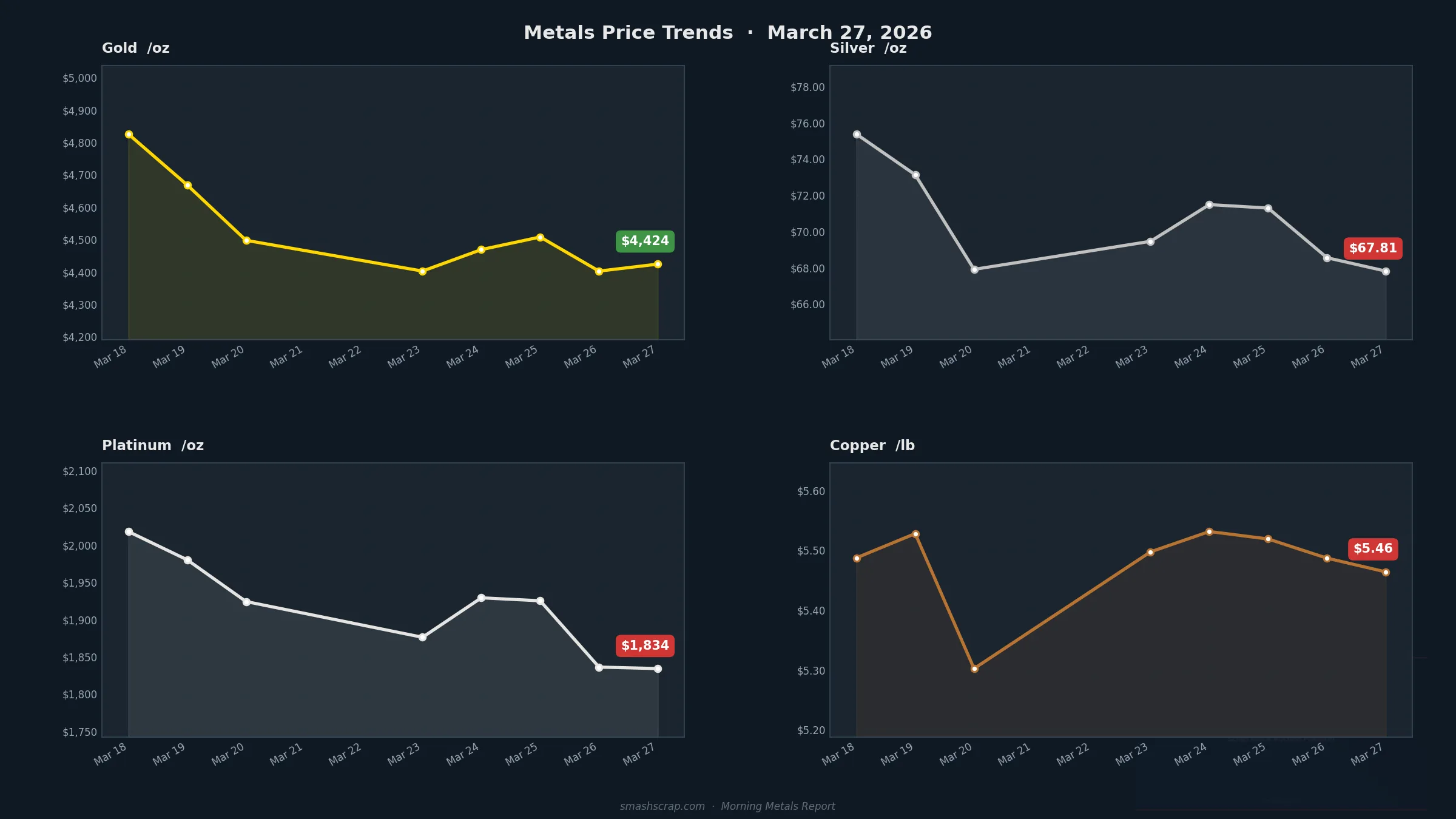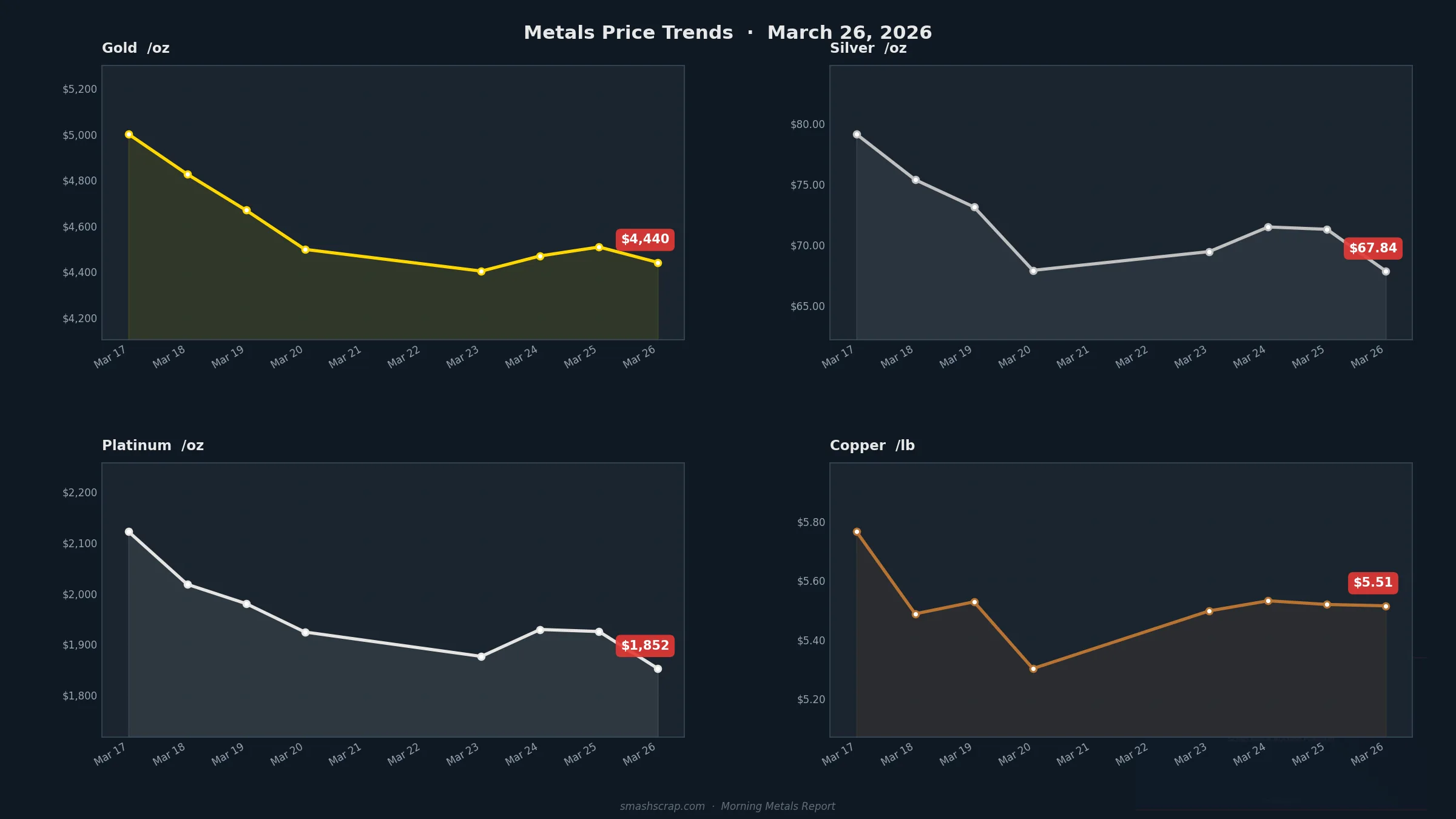

SMASH Recycling — March 27, 2026
Understanding How B2B Scrap Metal Auctions Transform the Canadian Market
Canadian businesses looking to sell scrap metal near me St. John's are discovering the power of auction-based platforms that connect sellers directly with buyers across the country. B2B scrap metal auctions have revolutionized how recycling yards, manufacturers, and metal dealers conduct business in 2026, offering transparency and competitive pricing that traditional methods can't match.
These digital marketplaces operate differently from conventional scrap transactions. Instead of accepting whatever price a single buyer offers, sellers can list their materials and watch multiple buyers compete through bidding. This competitive environment typically drives prices higher than standard dealer quotes.
For St. John's businesses, this means access to buyers from Toronto, Vancouver, Calgary, and beyond — expanding your potential market far beyond local scrap yards. The auction format creates price discovery that benefits everyone involved in the transaction.
How Scrap Metal Auction Platforms Actually Work
Modern scrap metal auction platforms follow a streamlined process designed for busy B2B operations. Sellers begin by creating detailed listings that include material type, quantity, grade, and location. High-quality photos and accurate descriptions help attract serious bidders.
Once listed, registered buyers across Canada can view your materials and place bids over a predetermined timeframe. Most auctions run 3-7 days, allowing adequate time for price competition to develop. The platform handles all communication between parties and tracks bidding activity in real-time.
Payment processing and logistics coordination happen through the platform, reducing administrative burden on both sellers and buyers. Many platforms like SMASH Recycling's auction platform provide integrated shipping solutions and secure payment processing to protect all parties.
The winning bidder and seller connect after auction close to finalize pickup or shipping arrangements. This system eliminates the need for multiple phone calls and price negotiations that characterize traditional scrap metal sales.
Types of Materials That Perform Best in Canadian Scrap Auctions
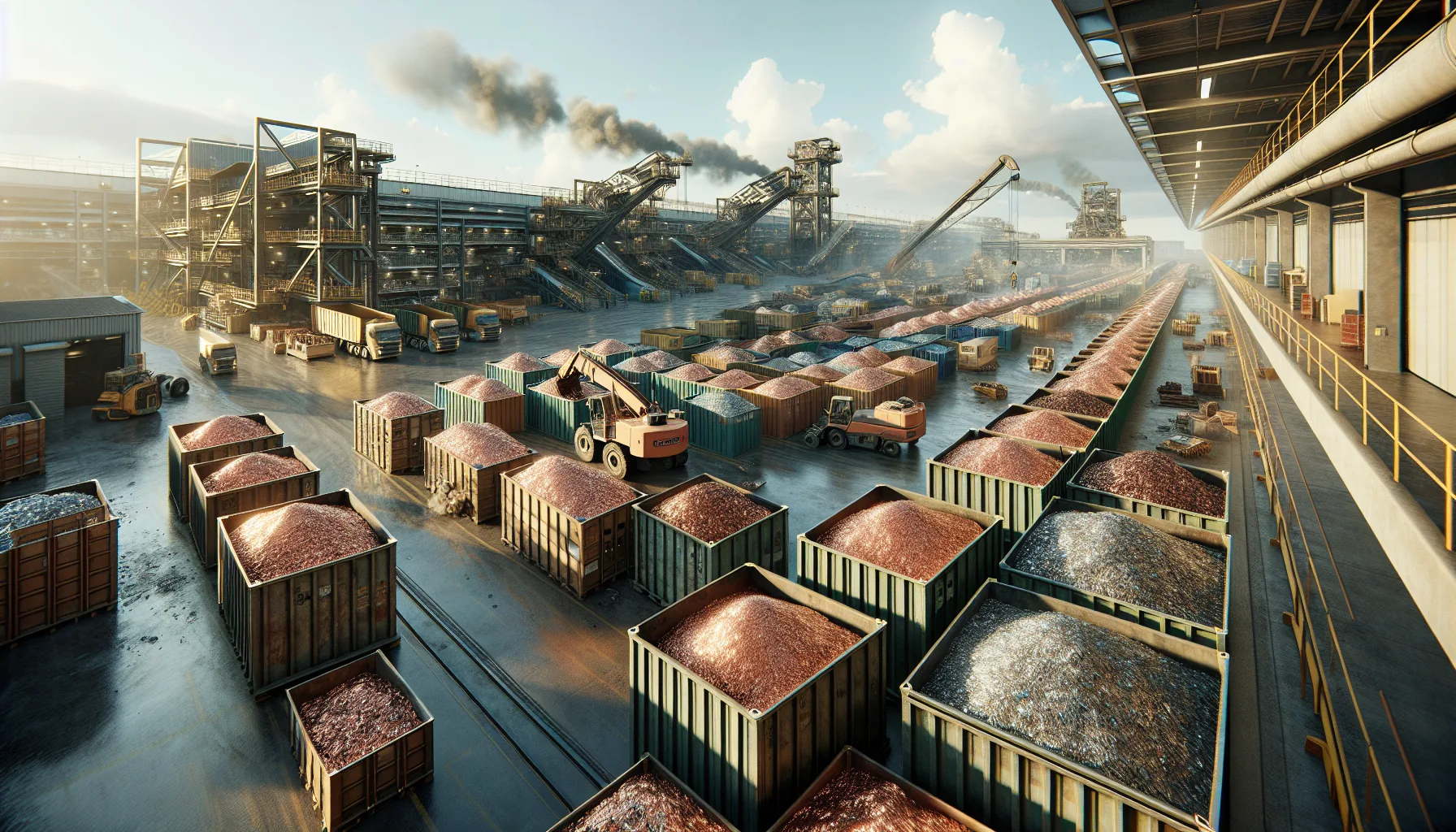
High-value specialty metals generate the most competitive bidding on auction platforms. Catalytic converters containing platinum, palladium, and rhodium consistently attract premium prices due to their precious metal content. Industrial copper scrap, particularly clean copper wire and tubing, also performs exceptionally well.
Stainless steel grades, aluminum alloys, and brass materials see strong auction results when properly sorted and described. Sellers in St. John's and throughout Newfoundland and Labrador benefit from the province's diverse industrial base, which generates various high-quality scrap streams.
Electronic scrap containing gold, silver, and other precious metals draws international buyer attention. Computer boards, telecommunications equipment, and industrial electronics often exceed local dealer prices by 15-30% when sold through competitive auctions.
Even common materials like steel and iron can benefit from auction sales when quantities are substantial. Large-scale demolition projects and manufacturing operations can leverage bulk quantities to attract competitive bids from major steel mills and processors.
Material Preparation Tips for Maximum Auction Success
Clean, sorted materials always command higher prices than mixed loads. Removing insulation from copper wire, separating different aluminum grades, and properly categorizing stainless steel types can significantly impact final sale prices.
Accurate weight measurements and honest condition assessments build seller credibility on auction platforms. Experienced buyers can quickly identify discrepancies, so transparency protects your reputation for future auctions.
Regional Market Dynamics: Eastern Canada vs National Competition
St. John's scrap metal sellers benefit from unique market positioning within Canada's auction ecosystem. While local competition may be limited, national platforms connect Newfoundland and Labrador sellers with major processing facilities in Ontario, Quebec, and Western Canada.
Transportation costs factor into bidding strategies, but high-value materials often justify shipping expenses. Catalytic converters, precious metal scrap, and specialty alloys travel economically due to their value-to-weight ratios.
Regional pricing differences create opportunities for savvy sellers. Scrap metal prices today vary between provinces based on local supply, demand, and processing capacity. Auction platforms help sellers access the best available pricing regardless of geographic limitations.
Seasonal factors also influence auction dynamics. Spring construction activity increases steel demand, while automotive recycling peaks during winter months when more vehicles reach end-of-life. Understanding these patterns helps optimize listing timing.
Building Buyer Relationships Through Consistent Quality
Successful auction sellers develop reputations for consistent material quality and accurate descriptions. Buyers remember reliable sellers and often bid more aggressively on their listings, knowing they can expect exactly what's advertised.
Regular participation in auctions helps establish these relationships. SMASH Scrap's auction platform for scrap sellers includes rating systems that help build seller credibility over time.
Technology Integration and Market Transparency
Modern SMASH scrap metal auction platforms incorporate real-time pricing data, automated bidding features, and mobile accessibility that traditional scrap dealers can't match. Sellers can monitor bidding activity, respond to buyer questions, and manage multiple auctions simultaneously.
Price transparency represents a major advantage over traditional dealer relationships. Instead of wondering whether you received fair value, auction results provide clear market validation. Historical pricing data helps sellers set realistic reserve prices and timing expectations.
Integration with logistics providers streamlines the pickup and delivery process. GPS tracking, automated scheduling, and digital documentation reduce administrative overhead while providing transparency throughout the transaction.
These technological advantages particularly benefit smaller operations in markets like St. John's, where competing with larger, better-resourced dealers previously proved challenging. Now, a well-organized small seller can access the same buyer network as major operations.
Mobile Technology and Real-Time Market Access
Smartphone apps allow sellers to photograph materials, upload listings, and monitor auctions from job sites. This mobility proves especially valuable for contractors and demolition companies operating across multiple locations.
Push notifications alert sellers to new bids, ensuring they don't miss opportunities to adjust reserve prices or respond to buyer inquiries. Real-time market data helps inform immediate selling decisions.
Comparing Traditional Sales vs Auction Platforms
Traditional scrap metal sales typically involve calling multiple dealers, describing materials over the phone, and accepting the best immediate offer. This process consumes significant time while limiting price discovery to a small local network.
Auction platforms reverse this dynamic. Sellers create one comprehensive listing that reaches hundreds of potential buyers simultaneously. Competition drives pricing naturally, often exceeding traditional dealer quotes by 10-25% depending on material type and market conditions.
Payment terms also favor auction sellers. While traditional dealers may request 30-60 day payment terms, auction platforms typically process payments within 3-5 business days after material pickup. This cash flow improvement benefits businesses of all sizes.
Documentation and compliance support provides additional value. Platforms like join Canada's B2B scrap marketplace on SMASH Recycling handle environmental compliance, tax documentation, and chain-of-custody requirements that individual dealers may overlook.
Risk mitigation represents another key advantage. Platform-mediated transactions include dispute resolution, payment protection, and standardized contracts that protect both parties. Traditional handshake deals lack these safeguards.
For businesses throughout Canada looking to optimize their scrap metal operations, auction platforms provide the transparency, efficiency, and profitability that today's competitive market demands. Read the latest from SMASH Recycling to stay current on market trends and best practices.
Note: Scrap metal prices fluctuate daily based on global commodity markets. Always check current rates before making selling decisions.
The evolution toward auction-based scrap metal sales represents more than just a technology upgrade — it's a fundamental shift toward market transparency and fair pricing. Whether you're a contractor in St. John's with occasional scrap or a major recycling operation processing tons daily, these platforms level the playing field and maximize returns on your materials. Join Canada's B2B scrap marketplace — register at smashrecycling.ca.
Frequently Asked Questions
Q: How long do scrap metal auctions typically run?
Most B2B scrap metal auctions run 3-7 days, providing adequate time for buyers to evaluate materials and submit competitive bids. High-value specialty metals may run longer to maximize price discovery.
Q: Can sellers in St. John's compete effectively with larger markets?
Yes, auction platforms create equal access to national buyer networks regardless of location. Quality materials and accurate descriptions matter more than geographic location in determining final sale prices.
Q: What happens if my reserve price isn't met during the auction?
If bidding doesn't reach your reserve price, you're not obligated to sell. You can relist the materials with adjusted parameters or explore alternative sales channels without penalty.
Q: How do auction platforms handle payment and shipping logistics?
Established platforms provide integrated payment processing and logistics coordination. Winning bidders typically arrange pickup within 5-10 business days, with payment processed upon material verification.
Q: Are there minimum quantities required for auction listings?
Minimum quantities vary by platform and material type. High-value items like catalytic converters may have no minimum, while bulk materials like steel typically require substantial quantities to attract competitive bidding.