
Small Metal Recyclers Dartmouth: Beat Big Competitors
Small metal recycling operations in Dartmouth face a David-versus-Goliath challenge every single day. While large corporations command million-dollar processing facilities and nationwide networks, smaller recyclers often struggle to secure competitive pricing and consistent buyer relationships. Yet against these odds, independent operations across Nova Scotia are not just surviving — they're thriving by leveraging digital platforms and strategic partnerships that level the playing field.
The secret lies in understanding that modern metal recycling near me Dartmouth isn't about facility size anymore. It's about market access, pricing transparency, and operational efficiency. Small recyclers who embrace these principles are outmaneuvering their larger competitors in ways that seemed impossible just five years ago.
The David Strategy: How Maritime Metal Works Transformed Their Business
Maritime Metal Works, a family-owned operation in Dartmouth, exemplifies how small recyclers can compete effectively. In early 2025, owner Sarah Chen faced declining margins as large corporations undercut her copper and aluminum prices. Her traditional buyer network offered inconsistent rates, often 15-20% below market value.
Chen's breakthrough came when she shifted to online auction platforms for auto recycling Dartmouth materials. Instead of accepting whatever local buyers offered, she began listing catalytic converters, copper wire, and aluminum radiators through digital marketplaces. Within three months, her average sale prices increased by 28%.
"The game changed when I could reach buyers across Canada," Chen explains. "Instead of three local buyers dictating prices, I had fifteen companies bidding on my materials." This access to competitive bidding transformed her small operation from a price-taker to a price-maker.
The key insight: small recyclers excel at personalized service and quality sorting. Large operations often miss valuable materials in their rush to process volume. Chen's team hand-sorts every component, identifying high-grade alloys that automated systems overlook. This attention to detail, combined with online market access, creates significant competitive advantages.
Breaking the Pricing Barrier: Digital Platforms vs. Traditional Networks
Traditional scrap metal networks favor established relationships and high-volume transactions. Small recyclers historically accepted lower prices because they lacked negotiating power. Digital auction platforms have shattered this dynamic completely.
When recyclers sell scrap metal online, they tap into real-time market demand rather than local monopolies. A Dartmouth operation selling 500 pounds of copper wire can now access the same buyer pool as facilities processing 50,000 pounds. The difference lies in presentation and timing, not just volume.
Consider platinum group metals from catalytic converters. Large operations often bundle these materials with lower-grade scrap, diluting overall value. Small recyclers can separate and auction individual converters, capturing premium prices for high-rhodium units. This precision approach often yields 30-40% higher returns than bulk sales.
Platforms like SMASH Recycling have revolutionized how independent operators access national markets. Instead of relying on local brokers who take substantial markups, recyclers can connect directly with refineries and processors across Canada. This direct access eliminates multiple intermediaries, boosting profitability for small operations.
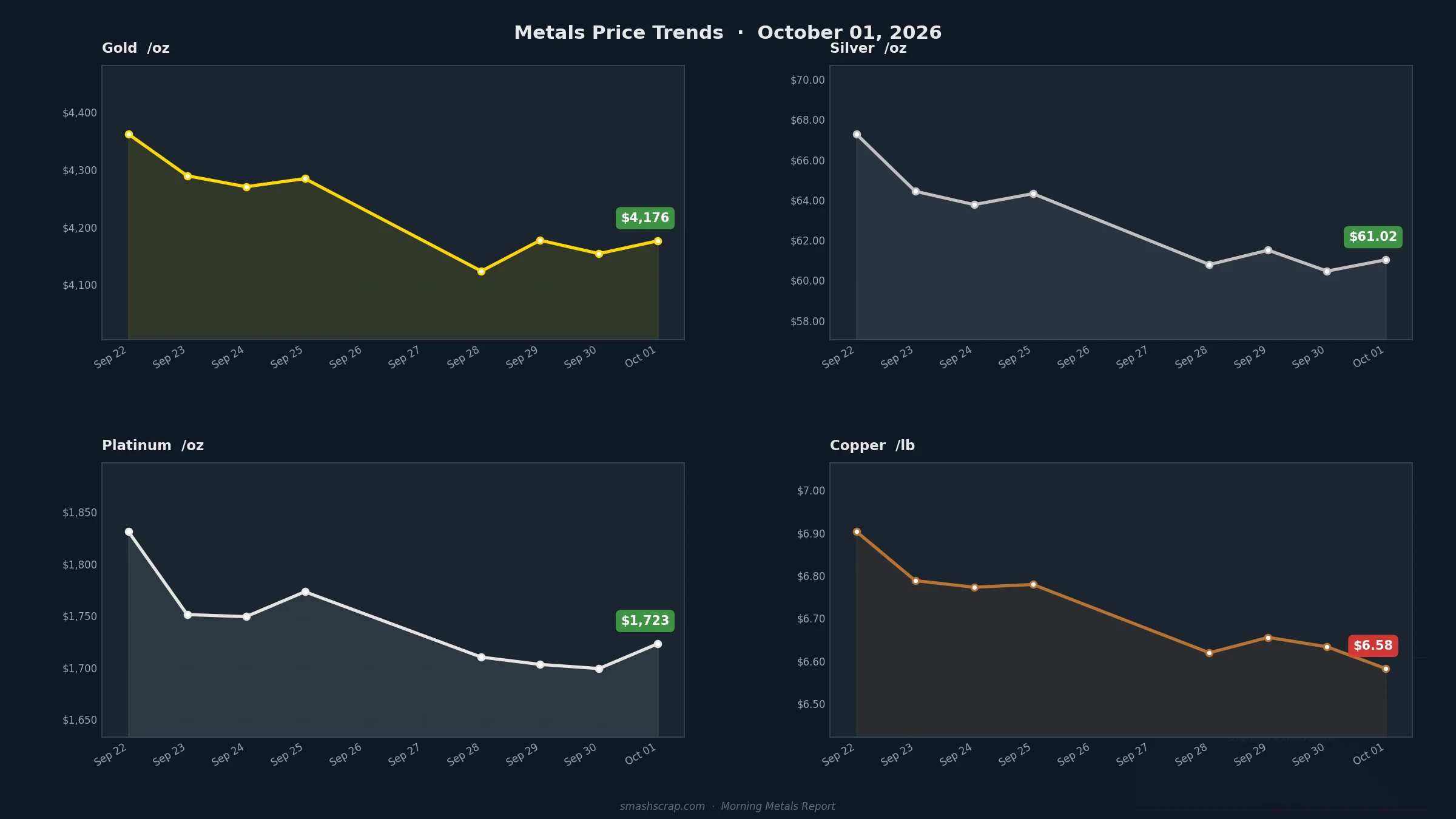
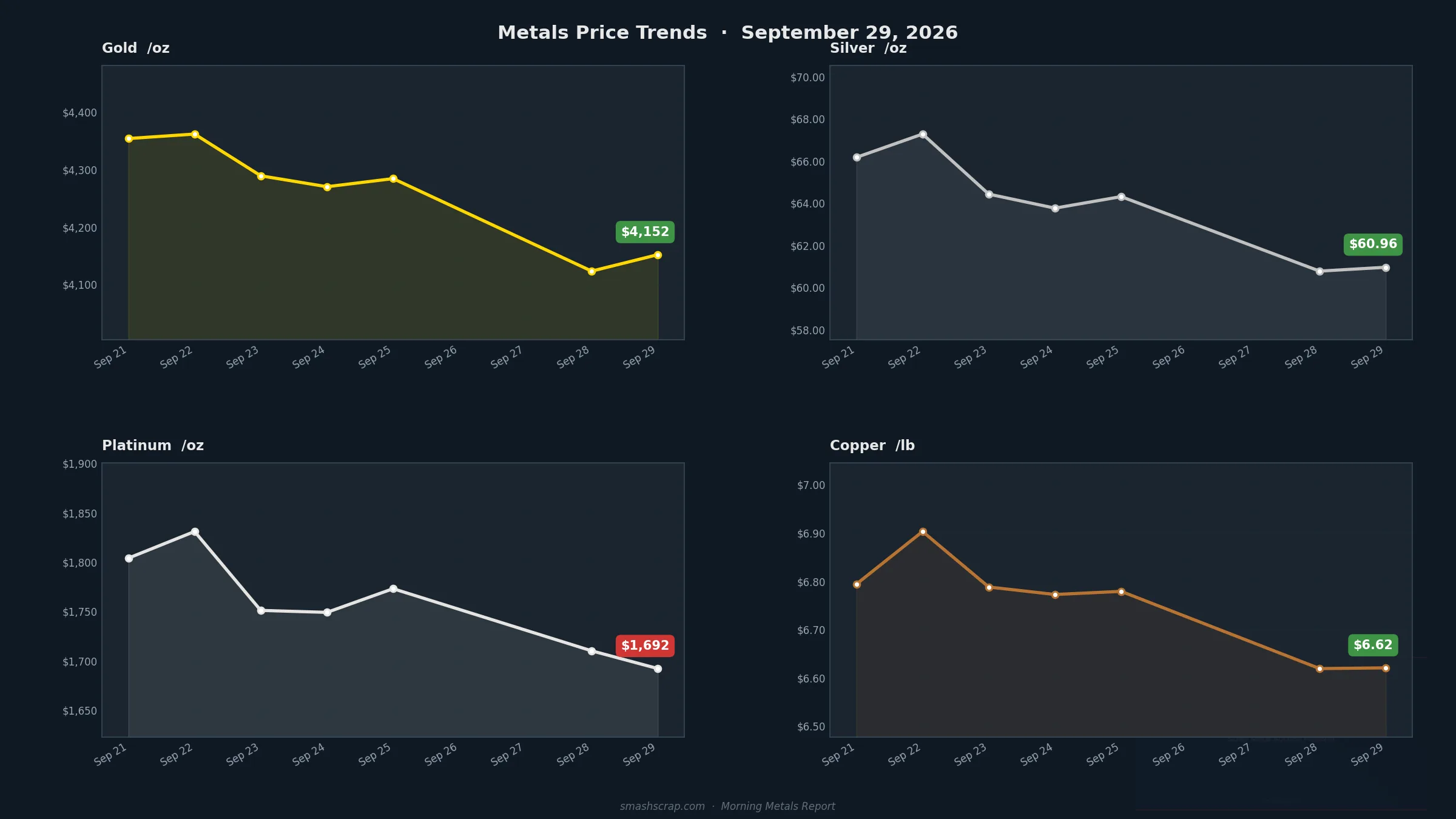
The transparency factor cannot be overstated. Metal recycling prices Nova Scotia fluctuate daily based on global commodity markets. Digital platforms provide real-time pricing data, allowing small recyclers to time their sales strategically. Large operations often lock into quarterly contracts that miss market peaks, while agile smaller companies can capitalize on price spikes.
Operational Excellence: Where Small Recyclers Outperform Giants
Large recycling operations optimize for throughput, often at the expense of material quality and customer relationships. Small recyclers in Dartmouth leverage their size advantages to deliver superior service that commands premium prices.
Customer pickup services illustrate this perfectly. While large operations require minimum loads and scheduled appointments, small recyclers can collect materials on flexible schedules. This responsiveness attracts contractors, mechanics, and small businesses who value convenience over volume discounts.
Quality sorting represents another competitive edge. Small teams can identify and separate valuable alloys that automated systems miss. A skilled sorter recognizing medical-grade titanium or aerospace aluminum can capture prices 200-300% higher than standard grades. Large operations processing thousands of tons daily cannot match this attention to detail.
Environmental compliance also favors smaller operations. While large facilities face complex regulatory oversight, small recyclers can implement streamlined processes that exceed environmental standards. This compliance record attracts environmentally conscious customers willing to pay premium rates for responsible recycling.
Technology integration allows small recyclers to punch above their weight class. Mobile apps for inventory tracking, digital scales for accurate measurements, and online auction platforms create operational efficiency that rivals corporate systems. The investment required is minimal compared to the competitive advantages gained.
Market Intelligence: Knowing When and What to Sell
Successful small recyclers master market timing in ways that larger operations cannot match. Understanding how much is copper to recycle requires monitoring multiple factors: global demand, seasonal patterns, industrial consumption, and currency fluctuations.
Atlantic Salvage in Dartmouth demonstrates this market intelligence perfectly. Owner Mike Rodriguez tracks copper prices across multiple exchanges, identifying optimal selling windows. When copper hit $4.20 per pound in March 2026, Rodriguez held inventory for two weeks, selling at $4.55 when construction demand peaked. This timing strategy added $12,000 to his quarterly profits.
Catalytic converter markets require even more sophisticated analysis. Rhodium prices can swing 20% in a single week based on automotive production schedules and mining disruptions. Small recyclers who understand these patterns can explore SMASH Recycling's auction platform to capitalize on price volatility.
Seasonal patterns also influence pricing strategies. Metal recycling prices Nova Scotia typically peak during spring construction season and fall industrial production cycles. Smart small recyclers accumulate inventory during slow periods, selling when demand drives prices higher.
The automotive recycling sector offers particular opportunities for market-savvy operators. Electric vehicle adoption is changing catalytic converter demand patterns, while traditional automotive recycling remains strong. Small recyclers who understand these trends can position inventory accordingly.
Building Strategic Partnerships: The Network Effect
Small recyclers cannot compete on scale alone, but they excel at building strategic partnerships that multiply their capabilities. These relationships create competitive moats that large operations struggle to replicate.
Cross-referral networks prove especially valuable. When Coastal Metals in Dartmouth cannot handle a large copper shipment, they partner with Harbor Recycling for processing while maintaining the customer relationship. Both companies benefit: Coastal keeps the customer, Harbor gains volume, and pricing remains competitive.
Supplier partnerships extend market reach significantly. Small auto shops and contractors prefer working with local recyclers who offer personalized service. These relationships generate steady material flows that large operations cannot easily capture through pricing alone.
Industry associations like the Automotive Recyclers of Canada (ARC) provide small recyclers with resources and connections that level the competitive playing field. ARC members access training programs, market intelligence, and certification standards that enhance credibility with buyers.
The Ontario Automotive Recyclers Association (OARA) offers similar benefits, connecting Maritime recyclers with Central Canada markets. These associations facilitate partnerships that small operations could never develop independently, creating network effects that rival corporate advantages.
Digital marketplace partnerships amplify these network benefits. When small recyclers collaborate through platforms like SMASH, they can aggregate inventory for larger sales while maintaining individual relationships. This cooperation creates win-win scenarios that boost everyone's profitability.
Technology Adoption: Competing Through Innovation
Modern small recyclers leverage technology to compete with operations ten times their size. The key lies in selecting tools that maximize impact while minimizing complexity and cost.
Inventory management systems designed for recyclers track material grades, weights, and market values in real-time. These systems help small operations identify their most profitable materials and optimize storage strategies. When rhodium prices spike, operators know exactly which catalytic converters to prioritize for sale.
Digital photography and documentation tools enable small recyclers to market materials effectively online. High-quality images showcasing copper purity or catalytic converter brands help buyers make informed decisions, often resulting in premium prices. Large operations rarely invest in this level of presentation for individual lots.
Mobile payment and invoicing systems streamline transaction processing, reducing administrative overhead while improving cash flow. Small recyclers can process payments instantly upon material delivery, eliminating the collection delays that plague traditional operations.
Market data subscriptions provide crucial intelligence for pricing decisions. Understanding metal recycling ontario price trends helps Dartmouth recyclers time their sales strategically. Access to real-time commodity data levels the information playing field with larger competitors.
When small recyclers read the latest from SMASH Recycling, they stay current with industry trends and pricing strategies. This market intelligence, combined with operational flexibility, creates sustainable competitive advantages that size alone cannot overcome.
Frequently Asked Questions
Q: How can small recyclers in Dartmouth compete with large operations on pricing?
Small recyclers compete by focusing on quality sorting, market timing, and digital platforms that provide direct access to buyers. Instead of competing on volume, they excel at identifying high-value materials and selling them at optimal times through online auction platforms.
Q: What are the advantages of using online platforms for metal recycling near me Dartmouth?
Online platforms eliminate geographical limitations and connect small recyclers with buyers across Canada. This expanded market access typically increases sale prices by 20-30% compared to local-only buyer networks, while providing real-time market pricing information.
Q: How do seasonal patterns affect metal recycling prices in Nova Scotia?
Metal prices in Nova Scotia typically peak during spring construction season (March-May) and fall industrial production cycles (September-November). Small recyclers can maximize profits by accumulating inventory during slower winter and summer months, then selling when demand drives prices higher.
Q: What technology tools are most beneficial for small auto recycling operations in Dartmouth?
Essential tools include inventory management systems for tracking valuable components, digital photography equipment for online sales presentation, mobile payment systems for instant transactions, and market data subscriptions for timing sales strategically.
Q: How important are industry associations for small Canadian recyclers?
Industry associations like the Automotive Recyclers of Canada (ARC) and Ontario Automotive Recyclers Association (OARA) provide crucial resources including training programs, market intelligence, certification standards, and networking opportunities that help small recyclers compete effectively with larger operations.
The success stories emerging from Dartmouth and across Nova Scotia prove that small recyclers can not only survive but thrive in today's competitive landscape. By embracing digital platforms, focusing on operational excellence, and building strategic partnerships, independent operations are creating sustainable advantages that size alone cannot overcome. The SMASH scrap metal auction marketplace continues connecting innovative recyclers with premium buyers, demonstrating that the future belongs to those who adapt rather than those who simply scale. Join Canada's B2B scrap marketplace on SMASH Recycling to discover how your operation can compete and win in the evolving metal recycling industry.
Follow SMASH on LinkedIn for industry updates and scrap metal market insights.