Lethbridge Compliance Rules Change How to Sell Scrap Car
Environmental Compliance: A Game-Changer for Canadian Scrap Metal Businesses
When Prairie Metal Solutions in Lethbridge faced mounting pressure from Alberta's updated environmental regulations in early 2026, owner Marcus Chen knew his traditional approach to scrap metal trading needed a complete overhaul. His story illustrates how environmental compliance has become the defining factor separating thriving scrap businesses from those struggling to survive.
The scrap metal industry in Canada has undergone dramatic changes as environmental standards tighten across provinces. For businesses looking to sell scrap car Lethbridge operations or expand their metal trading activities, understanding these compliance requirements isn't optional—it's essential for long-term success.
Chen's transformation began when new provincial tracking requirements made his paper-based system obsolete overnight. "We were spending 40% of our time on paperwork instead of finding the best scrap metal prices Alberta could offer," he recalls. The solution came through adopting digital platforms that streamlined both compliance and pricing transparency.
Digital Tracking Systems Transform Operations
Modern environmental compliance demands precise tracking of every piece of scrap metal from origin to final processing. This requirement has pushed Canadian businesses toward sophisticated digital solutions that monitor materials throughout the entire supply chain.
Prairie Metal Solutions implemented a comprehensive tracking system that records the source, weight, and composition of every load. This data proves invaluable when regulatory inspectors arrive, but it also provides crucial insights into scrap metal prices Lethbridge trends and market opportunities.
The system tracks everything from copper wire to catalytic converters, automatically calculating potential values based on current market rates. When a load contains high-value materials like platinum, palladium, or rhodium from catalytic converters, the system flags these items for special handling procedures required by environmental regulations.
Digital platforms like join Canada's B2B scrap marketplace on SMASH Recycling have become essential tools for businesses navigating these complex requirements while maximizing profitability.
Catalytic Converter Compliance: A Success Story
Chen's biggest compliance challenge came from processing catalytic converters, which contain precious metals subject to strict environmental controls. These components require specialized handling due to their ceramic substrates and trace amounts of hazardous materials.
The breakthrough came when his team discovered they could sell catalytic converters online through regulated auction platforms that handle all compliance documentation automatically. This approach eliminated the risk of regulatory violations while connecting them to verified buyers nationwide.
"Before, we'd hold catalytic converters for months, unsure about proper disposal procedures," Chen explains. "Now we process them within days while meeting every environmental requirement." The SMASH Scrap's auction platform for scrap sellers provides the transparency and documentation trail regulators expect.
This shift proved financially rewarding. Catalytic converter prices today reflect strong demand for platinum, palladium, and rhodium. By processing these items quickly through compliant channels, Prairie Metal Solutions captured premium prices while avoiding costly regulatory penalties.
Cost Analysis: Compliance as Investment, Not Expense
Chen initially viewed environmental compliance as a burden on his bottom line. The reality proved different. Proper compliance systems actually improved profitability by streamlining operations and opening access to premium markets.
The numbers tell the story. Before implementing comprehensive tracking, Prairie Metal Solutions processed an average of 50 tons monthly with significant administrative overhead. After adopting compliant digital systems, monthly volume increased to 75 tons while reducing paperwork by 60%.
Environmental compliance also opened doors to larger commercial contracts. Major Alberta construction companies now require proof of compliant disposal for their scrap materials. This requirement eliminated many competitors who couldn't demonstrate proper environmental stewardship.
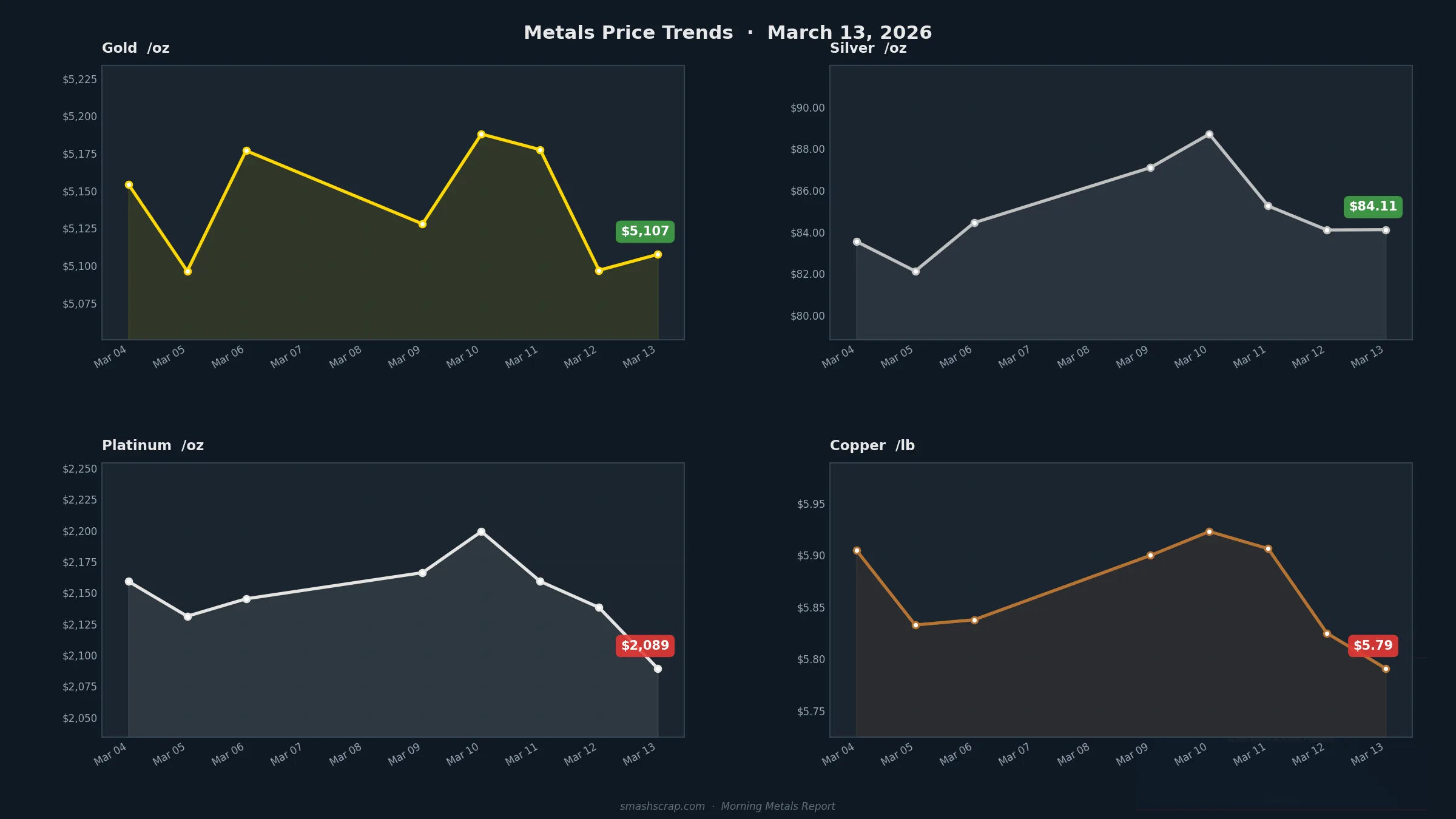
Access to real-time market data through compliant platforms improved timing decisions. Chen's team now monitors copper scrap prices, platinum price fluctuations, and palladium price trends to optimize selling decisions. This data-driven approach increased average returns by 15% compared to previous years.
Provincial Variations and Market Access
Environmental regulations vary significantly across Canadian provinces, creating both challenges and opportunities for scrap metal businesses. Alberta's approach differs from Ontario's, which differs again from British Columbia's requirements.
Smart businesses like Prairie Metal Solutions leverage these differences by understanding which materials command premium prices in different markets. Some provinces offer incentives for environmentally compliant operations, while others impose heavier penalties for violations.
The key lies in choosing platforms that handle cross-provincial compliance automatically. When Chen's team explore SMASH Recycling's auction platform, they discovered buyers from multiple provinces competing for their materials, driving prices higher than local-only sales.
This expanded market access proves particularly valuable for specialized materials. Rhodium price fluctuations can make catalytic converters from specific vehicle models extremely valuable to buyers in certain provinces while less attractive to others.
Technology Integration and Future Growth
The most successful scrap metal businesses in 2026 treat environmental compliance as a competitive advantage rather than a regulatory burden. They invest in technology systems that exceed current requirements while positioning for future regulatory changes.
Prairie Metal Solutions now processes materials from across southern Alberta, including regular shipments from Lethbridge commercial customers who value their compliance reputation. This growth stemmed directly from their early adoption of comprehensive environmental tracking systems.
Chen attributes much of his success to staying informed through industry resources. Regular reading from sources like read the latest from SMASH Recycling helps his team anticipate regulatory changes and market shifts before competitors.
The business now operates with confidence, knowing every transaction meets or exceeds environmental requirements. This peace of mind allows focus on core activities: finding the best prices for materials and serving customers effectively.
Environmental compliance has transformed from a challenge into the foundation of Prairie Metal Solutions' competitive advantage. For other Canadian scrap metal businesses, the lesson is clear: embrace compliance as an investment in sustainable growth rather than viewing it as a cost center.
Frequently Asked Questions
Q: What environmental documents do I need to sell scrap car Lethbridge businesses legally?
You need proof of ownership, environmental impact assessment if required, and documentation tracking any hazardous materials like fluids or batteries. Digital platforms typically handle much of this paperwork automatically when you process sales through compliant systems.
Q: How do environmental regulations affect scrap metal prices Lethbridge operations can expect?
Compliance requirements often increase operational costs but also eliminate non-compliant competitors, potentially driving prices higher. Properly documented materials typically command premium prices from buyers who value regulatory certainty.
Q: Can I sell catalytic converters online while meeting all environmental requirements?
Yes, regulated auction platforms handle environmental compliance documentation automatically. These systems track precious metal content and ensure proper disposal of ceramic substrates and other potentially hazardous components.
Q: What happens if my Alberta scrap business fails environmental compliance inspections?
Penalties range from fines to business closure depending on violation severity. Prevention through proper systems costs far less than remediation after violations occur. Digital tracking systems significantly reduce compliance risks.
Q: How often do environmental regulations change for Canadian scrap metal businesses?
Major regulatory updates typically occur every 2-3 years, with minor adjustments annually. Successful businesses stay ahead by using platforms that automatically update compliance procedures as regulations evolve.
Success in today's scrap metal industry requires more than just competitive pricing—it demands comprehensive environmental stewardship that protects both profits and our shared environment. Join Canada's B2B scrap marketplace — register at smashrecycling.ca to access the tools and transparency needed for sustainable, compliant growth in the evolving Canadian scrap metal market.