Sell Scrap Car Abbotsford: Small vs Big Recyclers 2026
Small Canadian Recyclers Face David vs. Goliath Challenge in 2026
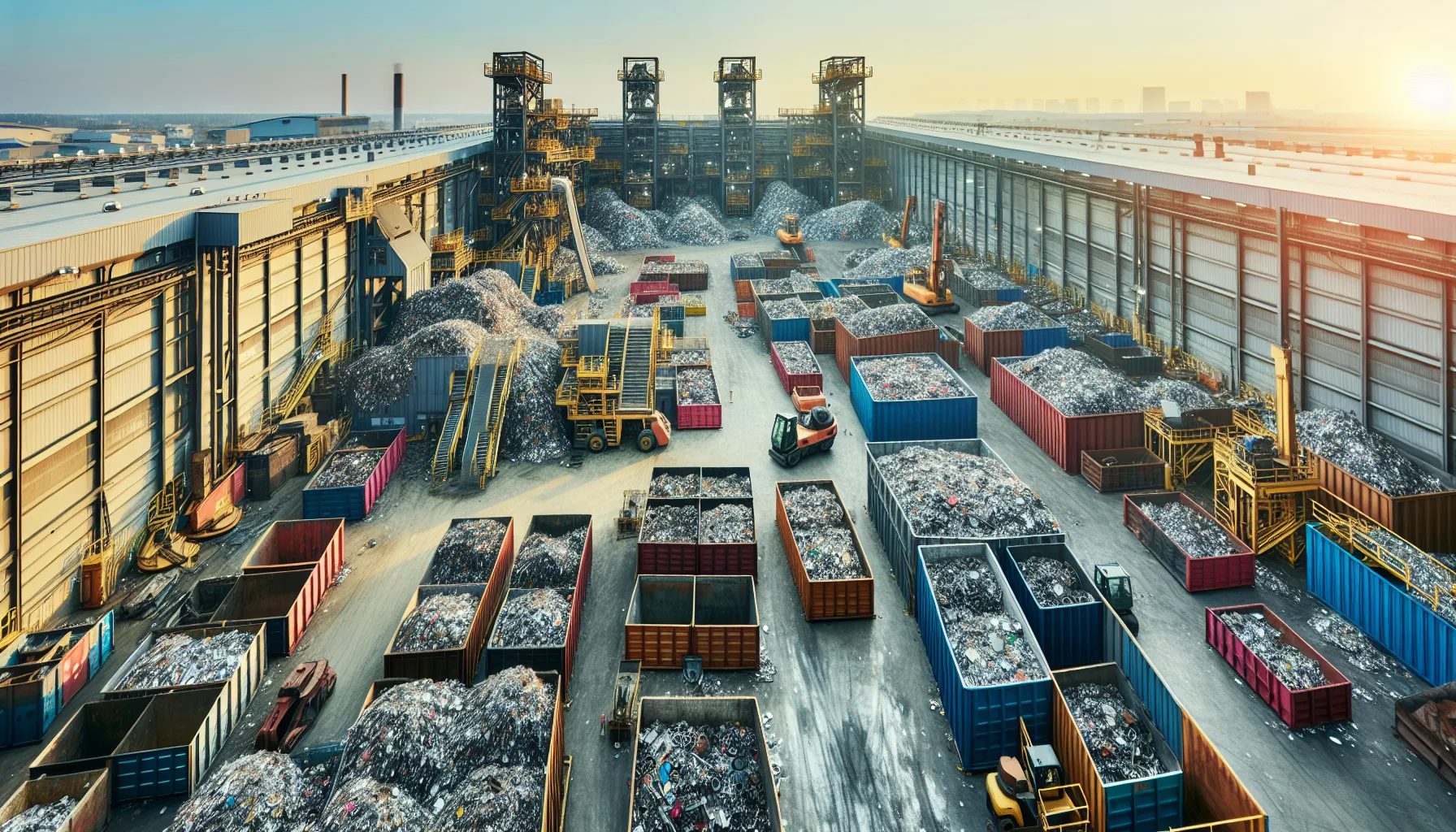
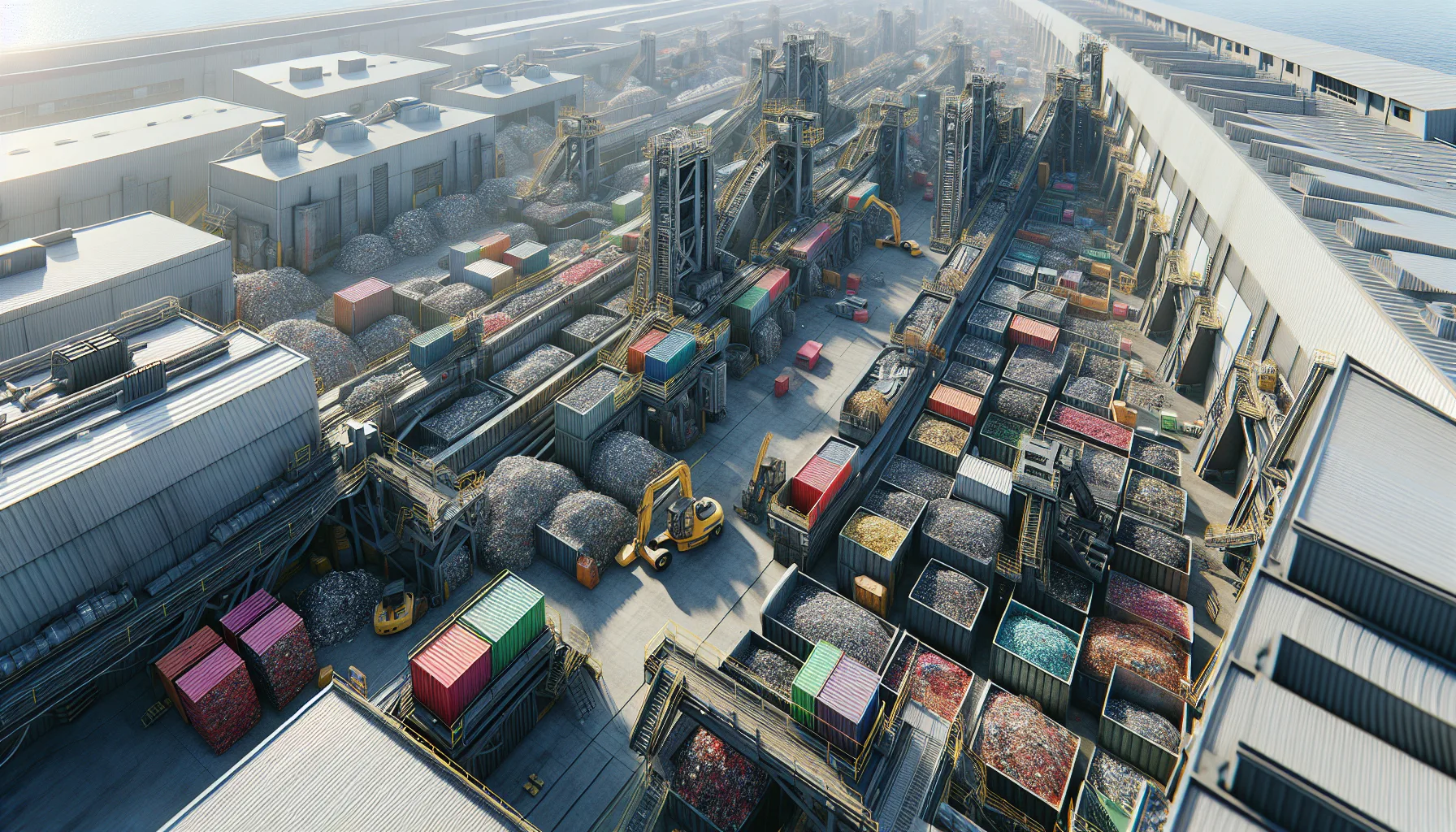
The Canadian scrap metal industry witnessed significant consolidation in 2026, with major players expanding their footprint across British Columbia and beyond. Small recyclers in markets like Abbotsford find themselves competing against operations with million-dollar processing equipment and exclusive supplier contracts. Yet savvy operators prove daily that size doesn't guarantee success when you leverage the right strategies and platforms.
When you sell scrap car Abbotsford operations, understanding competitive advantages becomes crucial. Large recyclers dominate through volume discounts and processing capacity. Small operators win through specialization, customer service, and smart use of technology platforms that level the playing field.
The key lies in recognizing that competition isn't about matching their scale — it's about delivering value they can't or won't provide. Smart recyclers focus on niche markets, build strong relationships, and use digital platforms to access buyers previously reserved for major operations.
Technology Platforms Transform Market Access for Small Operators
Digital transformation revolutionized how small recyclers compete in 2026. B2B scrap metal marketplace platforms eliminate the middleman disadvantage that historically favored large operations. Instead of selling through brokers who prioritize volume, small recyclers now access end buyers directly.
Modern auction platforms create transparent pricing environments where material quality matters more than supplier size. When you explore SMASH Recycling's auction platform, you discover how competitive bidding drives prices higher than traditional dealer relationships.
Small recyclers using these platforms often achieve better margins than larger competitors stuck in legacy supply chain relationships. The technology advantage extends beyond pricing — digital platforms provide market data, trend analysis, and timing insights that were previously unavailable to smaller operations.
Real-time pricing information helps small recyclers make informed decisions about when to sell versus when to accumulate inventory. This strategic flexibility often outweighs the raw processing power of larger competitors.
Specialization Creates Profitable Niches in Scrap Metal Markets
Large recyclers excel at processing high-volume, low-margin materials like structural steel and aluminum cans. Small operators thrive by focusing on specialized materials that require expertise, careful handling, or local knowledge. Scrap metal prices Abbotsford fluctuate based on material type, with specialized components often commanding premium pricing.
Consider catalytic converter recycling — a market where knowledge and relationships matter more than processing volume. Small recyclers who understand precious metal content, develop grading expertise, and build relationships with refineries often outperform large operations treating these units as commodity items.
Electronic waste represents another specialization opportunity. While large recyclers might strip obvious components like copper wire, small operators who understand circuit board grading, precious metal recovery, and component identification extract significantly more value from the same material.
Geographic specialization also creates advantages. Local recyclers in Abbotsford understand regional industrial patterns, seasonal fluctuations, and specialized waste streams that out-of-area competitors miss. This local knowledge translates directly into better sourcing and higher margins.
Building Strategic Partnerships Amplifies Small Recycler Capabilities
Smart small recyclers don't compete against large operations — they complement them strategically. Partnership arrangements allow access to processing equipment, transportation networks, and buyer relationships while maintaining independence and profit margins.
Toll processing agreements let small recyclers access expensive equipment like shredders or granulators on a per-ton basis. Instead of requiring million-dollar capital investments, operators pay processing fees that scale with volume. This approach provides flexibility large operations can't match.
Buyer cooperatives pool smaller recyclers' volumes to access better pricing and shipping rates. Individual operators maintain their customer relationships and material sourcing while gaining collective bargaining power for sales. These arrangements work particularly well in regions like British Columbia where transportation costs significantly impact margins.
Technology partnerships extend digital capabilities without major investments. When small recyclers join Canada's B2B scrap marketplace on SMASH Recycling, they access sophisticated auction tools, market analytics, and buyer networks that would cost hundreds of thousands to develop independently.
Customer Service Excellence Differentiates Small Operations
Large recyclers optimize for efficiency and volume processing. Small operators compete through superior customer service, flexibility, and relationship building. These advantages create customer loyalty that withstands price competition and economic fluctuations.
Pickup scheduling flexibility allows small recyclers to accommodate customer needs that large operations can't match. Same-day service, weekend availability, and customized pickup arrangements create value beyond raw material pricing.
Payment terms and processing speed represent major competitive advantages. While large operations might require 30-day payment cycles and extensive paperwork, small recyclers can offer immediate payment and simplified transactions. This cash flow advantage attracts suppliers willing to accept slightly lower prices for immediate liquidity.
Educational support helps customers maximize their scrap value. Small recyclers who teach customers proper sorting, timing strategies, and market dynamics build long-term relationships. Large operations rarely invest in customer education, creating opportunities for smaller competitors to add real value.
Transparency in grading and pricing builds trust that transcends individual transactions. When customers understand how their materials are evaluated and priced, they develop confidence that leads to exclusive supply relationships. Small recyclers can provide this transparency more easily than large operations with complex internal processes.
Market Intelligence and Timing Strategy
Information asymmetry historically favored large recyclers with dedicated market analysts and extensive industry connections. Digital platforms and data services now provide small operators with comparable market intelligence at affordable costs.
Real-time pricing data helps small recyclers optimize selling timing. Instead of accepting whatever price large buyers offer, operators can track market movements and time sales for maximum profit. Read the latest from SMASH Recycling for current market insights and timing strategies.
Inventory management becomes a strategic weapon when small recyclers understand market cycles. Accumulating inventory during price dips and selling during peaks can generate returns that exceed the margin differences from higher processing volumes.
Commodity correlation analysis helps small recyclers diversify risk and capitalize on price relationships. Understanding how copper, aluminum, and steel prices interact allows strategic material selection and timing optimization.
The 2026 scrap metal market rewards agility and intelligence over raw scale. Small Canadian recyclers who embrace technology platforms, develop specializations, and focus on customer relationships consistently outperform larger competitors on profitability metrics. Success comes from working smarter, not bigger. SMASH Scrap's auction platform for scrap sellers provides the tools and market access that transform small operations into formidable competitors.
Frequently Asked Questions
Q: How can small recyclers in Abbotsford compete with large operations on pricing?
Small recyclers compete through specialization, superior customer service, and digital platforms that provide direct buyer access. Focus on high-value materials like catalytic converters and electronics rather than competing on commodity volumes. Use B2B marketplaces to access competitive bidding that often exceeds traditional dealer pricing.
Q: What advantages do small scrap metal operations have over large competitors?
Small operations excel in flexibility, customer service, and local market knowledge. They can offer same-day pickup, immediate payment, and personalized service that large operations can't match. Geographic specialization and niche expertise often generate higher margins than high-volume commodity processing.
Q: How do digital platforms help small recyclers access better scrap metal prices in Abbotsford?
Digital auction platforms eliminate middleman markdowns and provide direct access to end buyers. Real-time market data helps optimize selling timing, while competitive bidding often drives prices above traditional dealer relationships. These platforms level the playing field between small and large operations.
Q: Should small recyclers partner with larger operations or compete directly?
Strategic partnerships often work better than direct competition. Toll processing agreements provide equipment access without capital investment, while buyer cooperatives pool volumes for better pricing. The key is maintaining independence while accessing resources that improve competitiveness.
Q: What specialized materials offer the best opportunities for small recyclers?
Catalytic converters, electronic waste, and precision alloys offer excellent opportunities for small recyclers with specialized knowledge. These materials require expertise and careful handling rather than high-volume processing capability. Local industrial waste streams also provide specialization opportunities based on regional knowledge.
The Canadian scrap metal industry continues evolving rapidly in 2026, creating new opportunities for operators who adapt quickly and think strategically. Small recyclers who leverage technology, focus on specialization, and prioritize customer relationships find themselves not just surviving but thriving against much larger competitors. Join Canada's B2B scrap marketplace — register at smashrecycling.ca.