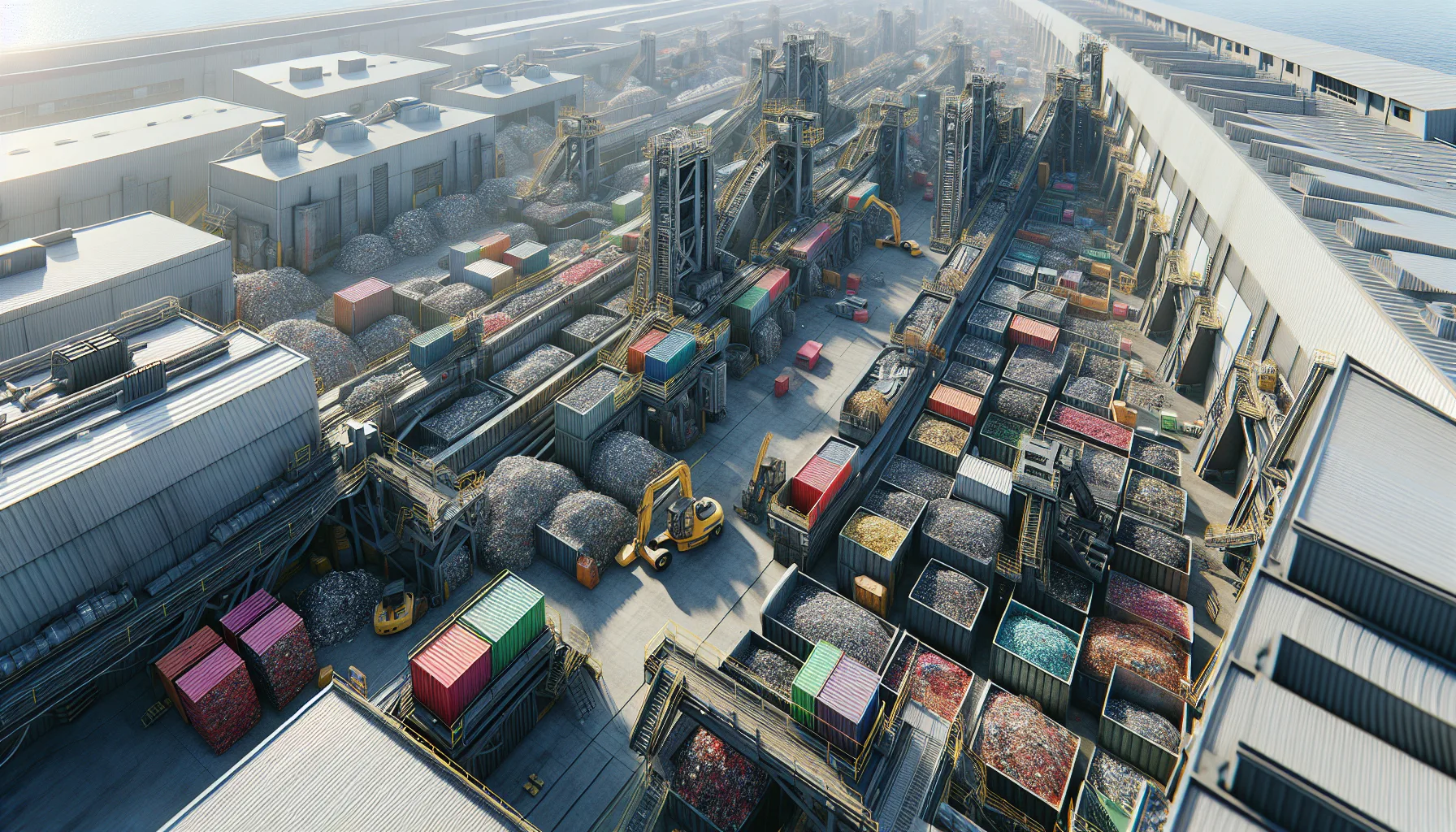
Secure Free Scrap Car Pickup Moncton: Payment Protection
Protecting Your Scrap Metal Deals: Why Payment Security Matters in 2026
The Canadian scrap metal industry has evolved dramatically in recent years, with digital platforms revolutionizing how buyers and sellers conduct business. Whether you're arranging free scrap car pickup Moncton services or negotiating bulk copper deals, payment security remains the cornerstone of successful B2B transactions. Today's market demands transparency, speed, and protection for both parties.
Traditional handshake deals and cash transactions are giving way to sophisticated payment systems that protect everyone involved. This shift becomes especially critical when dealing with high-value materials like catalytic converters, where prices fluctuate rapidly and trust between unknown parties can be challenging to establish.
Modern join Canada's B2B scrap marketplace on SMASH Recycling platforms now incorporate advanced escrow services that hold funds securely until both parties fulfill their obligations. This evolution addresses the industry's most persistent challenge: ensuring payment while maintaining competitive pricing and efficient logistics.
Understanding Escrow Services for Scrap Metal Transactions
Escrow services act as neutral third parties that hold payment until predetermined conditions are met. In scrap metal transactions, this typically means securing funds when a buyer commits to a purchase, then releasing payment once the seller delivers materials that meet agreed specifications.
For Moncton-based operations handling everything from automotive scrap to industrial copper, escrow eliminates the risk of non-payment while giving buyers confidence they'll receive quality materials. The service becomes particularly valuable when dealing with scrap metal prices today that can shift between initial agreement and final delivery.
Consider a typical scenario: A New Brunswick recycling yard agrees to sell 500 pounds of copper wire at current market rates. The buyer deposits funds into escrow, providing immediate assurance to the seller while protecting the buyer's capital until delivery verification. This arrangement works especially well for businesses offering free scrap car pickup Moncton services, where payment timing often depends on processing completion.
Leading platforms now offer automated escrow systems that release funds based on digital confirmations, weight verifications, and quality assessments. This automation reduces administrative overhead while maintaining security standards that traditional banking often cannot match for scrap transactions.
Standard Payment Terms in Today's B2B Scrap Market
Payment terms in the scrap metal industry have standardized around several common structures, each designed to balance cash flow needs with risk management. Net 30 terms remain popular for established relationships, while new partnerships often require more immediate settlement.
Spot transactions with immediate payment work best for high-value materials where prices change rapidly. Catalytic converters, platinum-bearing components, and other precious metal scraps typically require same-day settlement to reflect current market conditions. Businesses can explore SMASH Recycling's auction platform to see real-time pricing and instant payment options for these materials.
Progressive payment structures have gained popularity for large-volume deals. A typical arrangement might involve 25% deposit upon agreement, 50% upon material delivery, and final 25% after quality verification. This approach protects both parties while maintaining healthy cash flow throughout the transaction lifecycle.
Regional considerations also influence payment terms. Moncton's proximity to major shipping routes and processing facilities often allows for faster settlement than more remote locations. Local businesses frequently negotiate terms that account for transportation time and processing schedules specific to New Brunswick's logistics network.
Digital Payment Solutions Transforming Scrap Transactions
The digitization of payment processing has revolutionized how scrap metal businesses handle transactions. Electronic fund transfers, blockchain-based smart contracts, and integrated banking solutions now provide alternatives to traditional check and cash payments that dominated the industry for decades.
Real-time payment verification allows sellers to release materials with confidence while enabling buyers to secure inventory immediately upon payment confirmation. This speed becomes crucial when managing scrap metal inventory management in volatile markets where holding costs can quickly erode profit margins.
Mobile payment solutions have particularly benefited field operations. Drivers conducting free scrap car pickup Moncton runs can now process payments on-site, eliminating the delays and security risks associated with carrying cash or waiting for check clearance. These systems integrate with inventory management software to provide real-time profit and loss tracking.
Cryptocurrency payments have emerged as a niche solution for international transactions, though adoption remains limited due to regulatory uncertainty and price volatility concerns. Most Canadian operations continue to prefer traditional digital banking solutions that offer regulatory compliance and predictable exchange rates.
Risk Management Through Structured Payment Agreements
Effective risk management in scrap metal transactions extends beyond simple payment collection. Comprehensive agreements now address quality standards, delivery timelines, force majeure conditions, and dispute resolution procedures that protect both parties' interests.
Quality assurance clauses have become standard, particularly for mixed-grade materials where contamination can significantly impact value. These provisions typically allow buyers to adjust payment based on actual material composition, protecting against intentional or accidental misrepresentation while giving sellers clear quality expectations.
Force majeure provisions gained increased attention following supply chain disruptions in recent years. Modern agreements often include specific language addressing transportation delays, facility closures, and market volatility that could prevent timely performance by either party.
Dispute resolution mechanisms now favor arbitration over litigation, reducing costs and timeline uncertainty for both parties. Industry-specific arbitrators understand scrap metal valuation complexities and can resolve disputes more efficiently than general commercial courts. Many platforms, including SMASH Scrap's auction platform for scrap sellers, incorporate built-in dispute resolution tools that handle most issues without external intervention.
Future Trends in Scrap Metal Payment Security
The scrap metal industry continues evolving toward greater payment security and transaction efficiency. Artificial intelligence now assists in fraud detection, identifying unusual transaction patterns that might indicate payment risks or material misrepresentation.
Integration with commodity trading platforms allows for dynamic pricing adjustments that protect both parties from market volatility between agreement and settlement. This becomes particularly valuable for businesses managing large inventories where price changes can significantly impact profitability.
Regulatory developments in 2026 continue emphasizing transaction transparency and anti-money laundering compliance. Digital payment systems that automatically generate compliance reports and maintain detailed transaction records provide competitive advantages for businesses seeking to work with regulated entities.
The industry's movement toward sustainable practices has also influenced payment structures, with some platforms offering premium rates for verified environmentally responsible processing. These green premiums require enhanced verification systems but provide additional revenue opportunities for qualifying operations.
As the Canadian scrap metal industry continues its digital transformation, businesses that embrace secure payment technologies and transparent transaction processes position themselves for sustained growth. Whether you're processing automotive scrap in Moncton or managing regional copper inventories, the right payment security framework protects your interests while building the trust necessary for long-term business relationships. To learn more about secure B2B scrap transactions and access Canada's most trusted marketplace, read the latest from SMASH Recycling and join Canada's B2B scrap marketplace — register at smashrecycling.ca.
Frequently Asked Questions
Q: How do escrow services work for free scrap car pickup Moncton transactions?
Escrow services hold payment from the buyer until the scrap car is picked up and processed according to agreed terms. The funds are released once both parties confirm the transaction is complete, typically within 24-48 hours of pickup in the Moncton area.
Q: What payment methods are most secure for B2B scrap metal deals?
Electronic fund transfers through verified business accounts offer the best combination of security and speed. Many platforms also offer integrated escrow services that hold funds until delivery confirmation, providing additional protection for both buyers and sellers.
Q: How quickly should payment be processed for scrap metal transactions?
Payment timing varies by material type and relationship. Spot transactions for precious metals typically settle same-day, while bulk ferrous materials often use net 15-30 day terms. New business relationships usually require faster payment to build trust.
Q: What happens if there's a payment dispute in a scrap metal transaction?
Most modern platforms include dispute resolution mechanisms that handle quality disagreements, delivery issues, or payment problems through arbitration. This process typically resolves issues within 5-10 business days without requiring expensive legal proceedings.
Q: Are there special considerations for scrap metal payments in New Brunswick?
New Brunswick businesses should ensure payment methods comply with provincial regulations and consider the logistics timing for materials moving through regional transportation networks. Local banking relationships often provide faster settlement for regional transactions.