Scrap Metal Grading Brandon: Auction Listing Essentials
Why Scrap Metal Grading Can Make or Break Your Auction Listing
Most yards know their material. What trips them up is describing it correctly when it counts. A misgraded load doesn't just slow down the sale — it kills buyer confidence, invites disputes, and leaves money on the table. In a competitive auction environment, your listing is your pitch. Grade it wrong and the bids reflect that.
Scrap metal grading isn't bureaucratic box-checking. It's the language that connects your yard to dozens of vetted buyers bidding in real time. If you're running scrap metal recycling in Brandon or anywhere across Manitoba, getting your grades right is the difference between a fast, clean sale and a drawn-out back-and-forth that wastes everyone's time.
This week's roundup breaks down how grading works, why it matters on auction platforms, and what Canadian sellers consistently get wrong when they list material for the first time.
The Basics: What Scrap Metal Grading Actually Means
Grading is the process of classifying scrap metal by type, purity, form, and contamination level. Buyers use grades to calculate yield — how much usable metal they'll actually recover after processing. A higher-purity, better-graded load commands more per pound because the buyer's processing cost is lower. Simple math.
Most North American scrap grades follow Institute of Scrap Recycling Industries (ISRI) specifications, which provide standardized descriptions for hundreds of material types. You don't need to memorize the whole manual. But you do need to know the grades that apply to what your yard handles most. Common ones Canadian yards deal with regularly include:
- #1 Copper (Berry): Bare bright copper wire, uncoated, unalloyed, thicker than 16 gauge. Commands the highest copper scrap prices.
- #2 Copper: Unalloyed copper pipe, wire, and solids — can include light oxidation, but no excessive paint, solder, or insulation.
- Birch/Brass: Mixed red brass and bronze. Common in plumbing fixtures and fittings.
- Zorba: Shredded non-ferrous mix — aluminum, copper, zinc, and more — recovered from auto shredding.
- Twitch: Shredded aluminum fraction separated from Zorba. Relevant if you're tracking aluminum recycling prices per pound closely.
- #1 Heavy Melt Steel (HMS 1): Clean, uncoated ferrous scrap, at least 6mm thick, no foreign material.
- #2 Heavy Melt Steel (HMS 2): Thinner ferrous, can include some contamination, but no galvanized or alloy steel.
Each grade signals a quality expectation. When you list on a platform like find the best price for your scrap on SMASH, buyers bid based on what you say you have. Accurate grading means fewer disputes, faster payment, and repeat business from serious buyers.
Catalytic Converter Grading: The High-Stakes Category
If there's one material category where grading discipline pays off most, it's catalytic converters. Cats carry platinum, palladium, and rhodium — three of the most volatile precious metals in the recycling stream. The spread between a top-grade unit and a misidentified one can be hundreds of dollars per unit. With loads running dozens or hundreds of units, bad grading is expensive.
Catalytic converter grading for auction purposes typically involves:
- VIN-based identification: Matching the cat to the vehicle it came from using verified VIN lookup tools. This establishes the original OEM spec and precious metal loading.
- Serial number and part number verification: Aftermarket, recycled, or counterfeit units look similar to OEM cats but carry a fraction of the PGM content. Serial tracking catches this.
- Condition assessment: Cracked substrates, excessive soot loading, or damaged housings reduce the recoverable PGM yield. Photo documentation is non-negotiable here.
- Sort category: Domestic, foreign, small foreign, large foreign, DPF (diesel particulate filter), XL domestic — these categories reflect PGM loading tiers used across the industry.
When you sell catalytic converters online through a vetted catalytic converter auction, buyers are bidding on documented material. Platforms like SMASH support VIN lookup, serial tracking, and photo documentation specifically because cats are the category where a misrepresented listing creates the most friction. Good documentation doesn't slow the process — it speeds it up and drives more competitive bids.
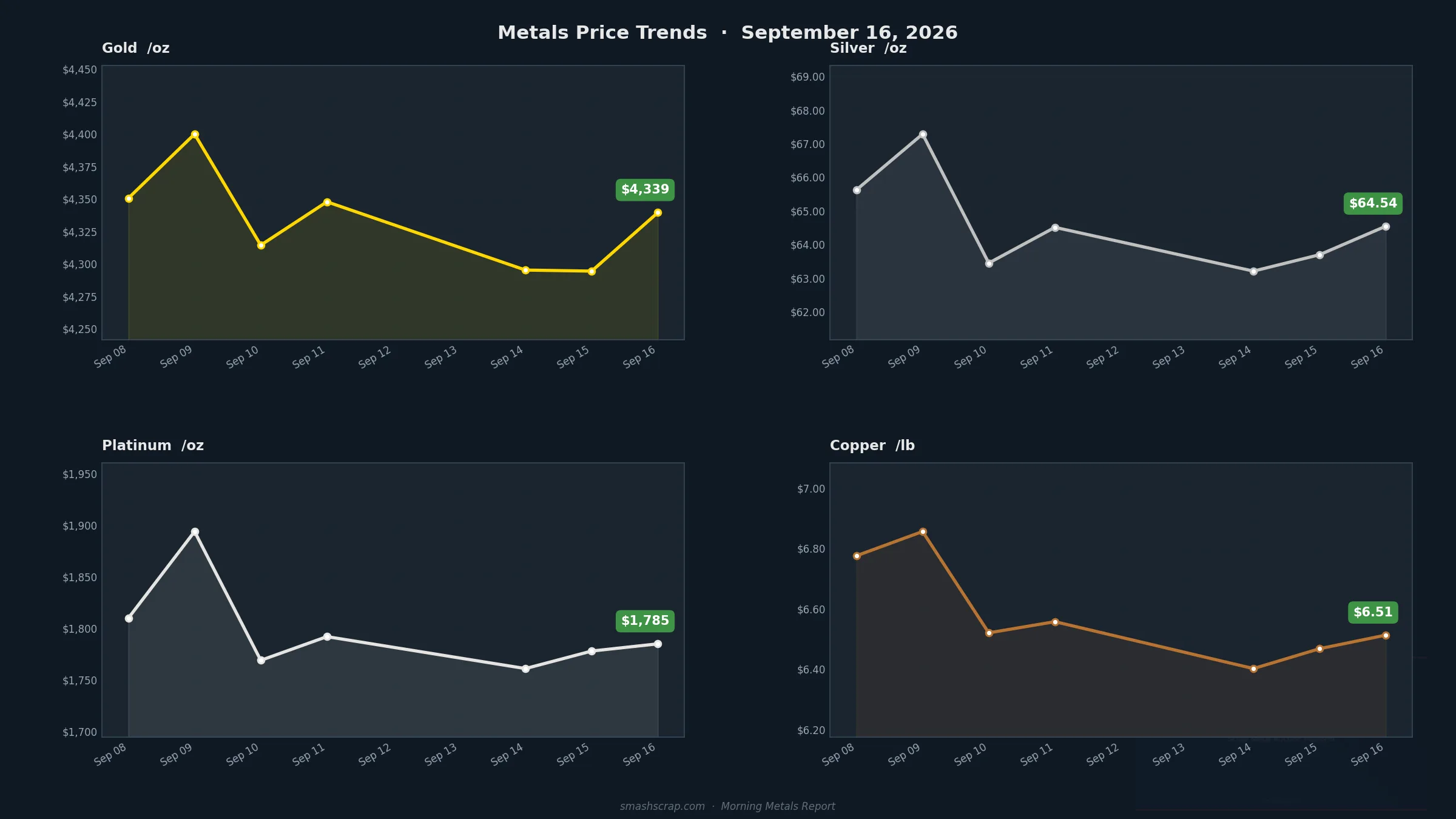
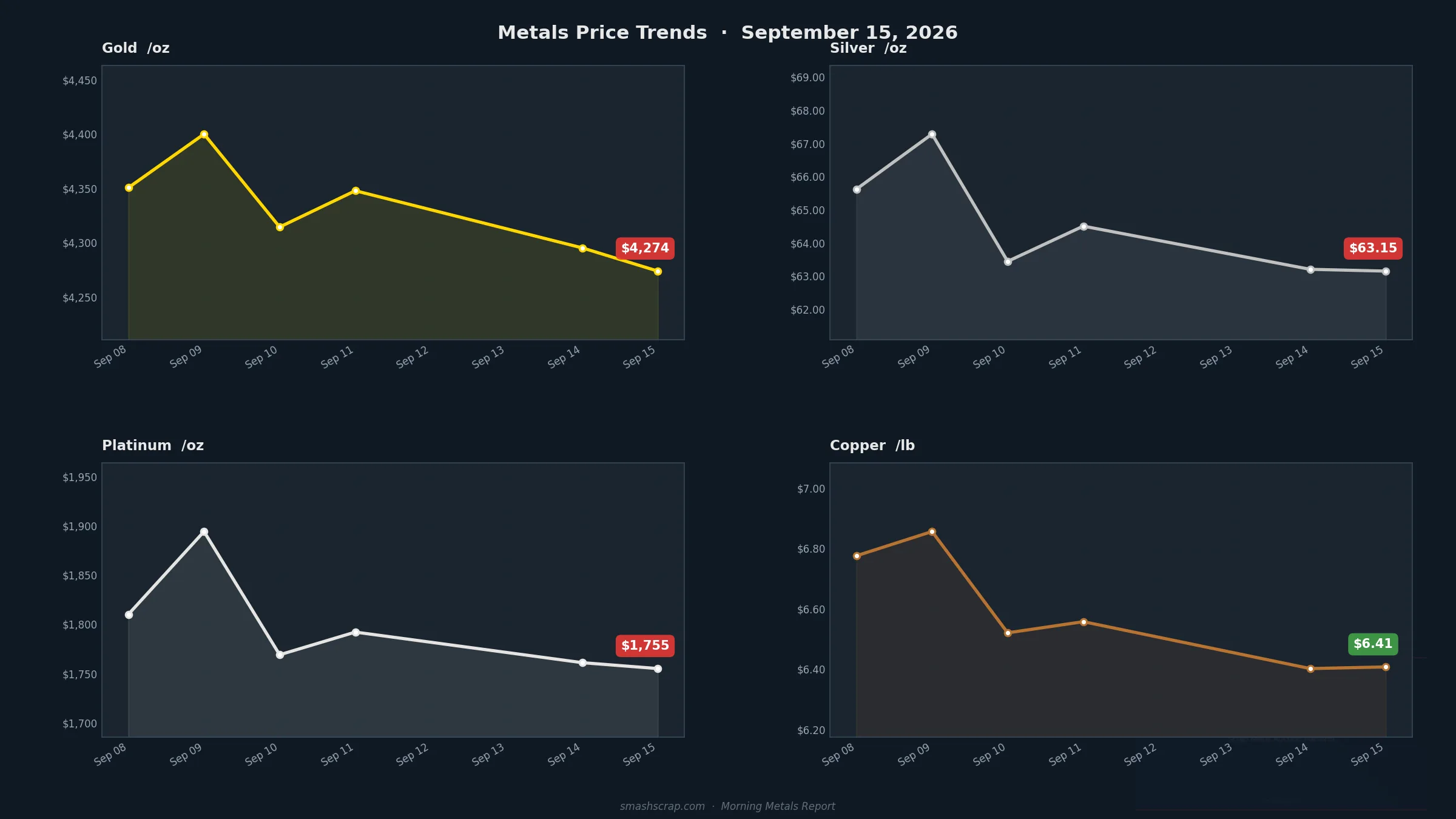
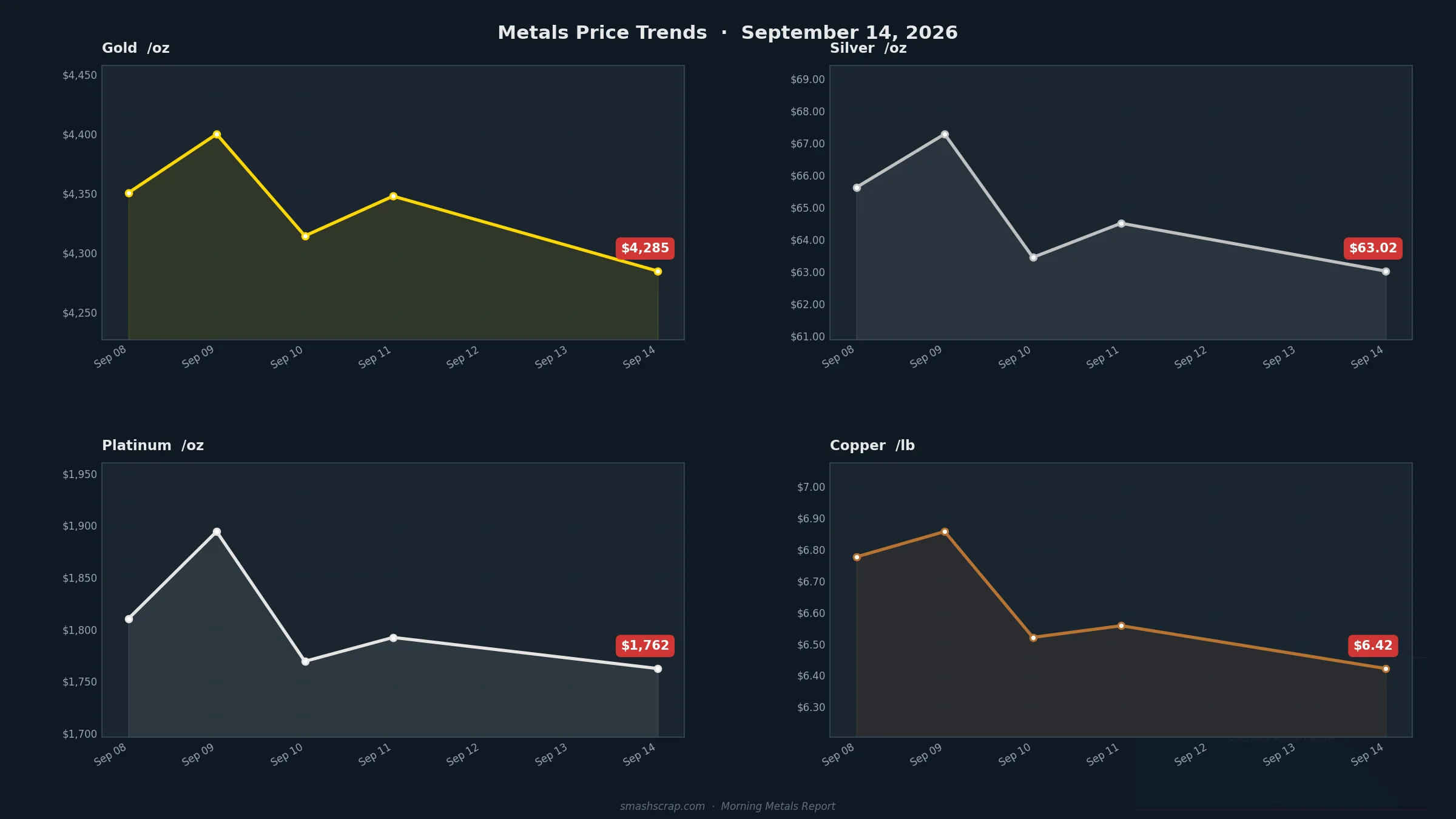
Current platinum prices, palladium prices, and rhodium prices all feed into what buyers will pay per unit. The market moves daily. Transparent grading paired with real-time auction competition gives sellers better price discovery than any single-buyer quote ever will.
The Automotive Recyclers of Canada (ARC) and the Ontario Automotive Recyclers Association (OARA) both emphasize documentation and traceability standards for catalytic converter transactions. Following those frameworks isn't just good practice — it protects your yard legally and commercially.
Common Grading Mistakes Canadian Sellers Make on Auction Listings
A lot of grading errors aren't about ignorance — they're about habit. Yards that have been calling the same buyer for years haven't needed to describe their material carefully. That buyer knew what they meant. Auction listings don't have that luxury. A buyer in Ontario bidding on a load out of Brandon is working entirely from what you've written and photographed.
The most common mistakes on Canadian auction listings include:
- Mixing grades in a single listed unit: Combining #1 and #2 copper in one lot without disclosing the split. Buyers assume the worst and bid accordingly.
- Calling plated or coated material clean: Chrome-plated brass, tin-coated copper, and painted aluminum are not the same as their uncoated equivalents. The contamination reduces yield.
- Under-describing non-ferrous mixed loads: "Misc. aluminum" tells a buyer nothing useful. Break it out — cast, extrusion, sheet, and painted versus unpainted.
- Skipping photo documentation on cats: Text descriptions of catalytic converter condition without photos create hesitation. Hesitation suppresses bids.
- Not disclosing moisture content on ferrous: Heavy melt that's been sitting outside in Manitoba winters can carry significant moisture weight. Buyers factor this in — and if you don't disclose it, they'll price in the uncertainty.
- Listing aluminum radiators with copper fins as pure aluminum: Contaminated radiator material has a different value than clean aluminum. Grade it as ACR (aluminum copper radiators) or similar.
None of these are hard fixes. They're discipline and attention to detail. The yards that get the most competitive bids on SMASH scrap listings are the ones who invest fifteen extra minutes in accurate descriptions and thorough photos. That investment pays dividends every time.
How Grading Connects to Price Discovery in a B2B Auction
Here's the core argument for grading discipline: competition only works when buyers trust the listing. In a traditional single-buyer model, the buyer assumes risk on vague descriptions and prices accordingly — low. In an auction with multiple vetted buyers, each one is independently assessing your material. Accurate grades reduce perceived risk. Lower perceived risk means tighter, more aggressive bids.
More buyers means better price discovery. That's not a marketing line — it's how markets work. When three buyers are all confident in what they're bidding on, they compete more honestly. When the listing is vague or inconsistently graded, buyers hedge and the seller absorbs that cost.
For yards running scrap metal recycling in Manitoba, this matters in a specific way. Buyers in larger markets — Toronto, Edmonton, Vancouver — are comfortable bidding remotely when the listing quality is high. Distance risk disappears when documentation is thorough. A well-graded load out of Brandon with clean photos, accurate weights, and proper grade designations competes on the same footing as a yard in any major Canadian market.
If you want to understand how the auction format works in practice, read the latest from SMASH Recycling — the blog covers pricing trends, platform updates, and real-world listing guidance regularly.
Building a Grading System Your Yard Can Actually Use
The goal isn't perfection on day one. It's consistency. A repeatable grading process means your listings read the same way every time, buyers learn what to expect from your yard, and disputes drop. Here's a practical framework for getting there:
- Start with your top five materials. What do you move most? Focus your grading discipline there first. For most Canadian yards, that's some combination of ferrous heavy melt, copper, aluminum, and cats.
- Assign one person to grade and list. Consistency matters more than committee input. One person who knows the standards beats three people with three different interpretations.
- Build a photo checklist. Every listing gets X photos minimum: top view, side view, close-up of any condition issues. For cats, include serial number and housing condition shots.
- Document your sort process. If you're separating #1 from #2 copper at intake, note that in your intake log. It makes listing faster and reduces second-guessing.
- Use the platform tools available to you. SMASH's inventory tool, VIN lookup, and serial tracking features exist specifically to support accurate listings. Use them. They reduce your liability and improve buyer confidence simultaneously.
Yards across scrap metal recycling Canada-wide are moving toward documented, transparent listings because the market rewards it. Buyers will pay more for certainty. Your grading process is how you deliver that certainty.
If you're ready to put that grading discipline to work in a real auction environment, join Canada's B2B scrap marketplace on SMASH Recycling and see what competitive bidding looks like when listings are done right. Or explore SMASH Recycling's auction platform to understand how the process works before you commit your first load.
No subscription fees. You only pay when you sell. If it doesn't move, you owe nothing. That's the model.
Frequently Asked Questions
Q: What scrap metal grades are most commonly traded in Brandon, Manitoba?
Brandon yards typically move a mix of ferrous heavy melt (HMS 1 and HMS 2), copper grades (#1 and #2), aluminum extrusion and sheet, and catalytic converters from auto recycling operations. The specific mix depends on your yard's intake — agricultural equipment and auto dismantling both feed common grade categories across Manitoba.
Q: How do I know if my catalytic converters are graded correctly before listing them on an auction platform?
Start with VIN-based identification to confirm the original vehicle spec. Cross-reference the part number against known OEM catalytic converter data to rule out aftermarket or counterfeit units. Document condition with photos — cracked substrates or damaged housings need to be disclosed. Platforms like SMASH offer VIN lookup and serial tracking tools that take most of the guesswork out of this process.
Q: Does grading accuracy really affect how much buyers bid on scrap metal auction listings?
Yes, directly. Buyers price uncertainty into their bids. A vague or inconsistently graded listing signals risk, and buyers hedge by bidding lower. Accurate grades, documented weights, and good photos reduce perceived risk — which means buyers compete more aggressively. More competition means better price discovery for the seller.
Q: What's the difference between #1 and #2 copper, and does it matter for auction pricing?
It matters significantly. #1 copper (bare bright) is uncoated, unalloyed wire or solids with no oxidation — it commands the highest copper scrap prices. #2 copper allows for light coatings, minor oxidation, and includes pipe and busbar, but no heavy contamination. Mixing them in one listing without disclosing the split typically results in buyers pricing the entire lot as #2. Separate them and list accurately to capture the full value of your #1 material.
Q: Are there industry standards Canadian scrap yards should follow when grading material for B2B auction listings?
Most Canadian yards reference ISRI (Institute of Scrap Recycling Industries) specifications as the baseline grading standard. For automotive materials including catalytic converters, the Automotive Recyclers of Canada (ARC) and the Ontario Automotive Recyclers Association (OARA) provide guidance on documentation and traceability best practices. Following these frameworks protects your yard commercially and builds credibility with serious auction buyers.
Ready to put accurate grading to work? Join Canada's B2B scrap marketplace on SMASH Recycling — no subscription fees, no guessing, just competitive bids on documented material.
Follow SMASH on LinkedIn for weekly market insights, pricing updates, and practical guidance for Canadian scrap sellers: SMASH Recycling on LinkedIn.