Saskatoon Aluminum Recycling: Auction vs Traditional Sales
Why Saskatoon Scrap Dealers Are Switching to B2B Auctions in 2026
Here's a number that surprises most people new to the Canadian scrap metal market: the difference between the worst offer and the best offer on a single load of aluminum can be 20–30% — for the exact same material, on the same day. That gap exists because traditional scrap transactions rely on whoever picks up the phone. B2B scrap metal auctions eliminate that guesswork entirely. For operations doing aluminum recycling in Saskatoon, switching to a competitive auction model isn't just convenient — it's the difference between leaving money on the table and capturing real market value.
This guide breaks down exactly how B2B scrap metal auctions work in Canada, why they matter for sellers and buyers across Saskatchewan, and how platforms like SMASH Recycling's auction platform are reshaping the way yards, manufacturers, and recyclers do business.
What Is a B2B Scrap Metal Auction — and How Does It Actually Work?
A B2B (business-to-business) scrap metal auction is a structured marketplace where verified buyers compete in real time to purchase scrap inventory from sellers. Unlike consumer recycling drop-offs or private sales negotiated over the phone, B2B auctions are transparent, competitive, and documented. Every bid is visible. Every transaction has a paper trail.
Here's the typical flow of a Canadian B2B scrap metal auction:
- Seller lists inventory — You upload details about your scrap: material type (aluminum, copper, steel, catalytic converters), weight, grade, condition, and photos. Good listings move faster and attract stronger bids.
- Buyers review and verify — Registered buyers — recycling yards, smelters, metal brokers — browse active listings and assess material quality before bidding.
- Auction opens — Competitive bidding begins within a set window. Buyers outbid each other to secure the material.
- Seller accepts the top bid — Once bidding closes, the seller reviews the final offer and confirms the deal.
- Logistics and payment — The platform facilitates pickup coordination and payment processing, keeping both parties accountable.
The beauty of this model is that it replaces a single phone call to a single buyer with a competitive market. Scrap metal inventory management becomes far more systematic — you're not just guessing at value, you're watching the market tell you exactly what your material is worth right now.
Aluminum Recycling Saskatoon: What Local Sellers Need to Know
Saskatoon sits at an interesting intersection for the Canadian scrap metal market. The city's industrial base — construction, agriculture equipment manufacturing, oil and gas support sectors — generates substantial volumes of non-ferrous metals, particularly aluminum and copper. Yet historically, sellers in Saskatchewan have had fewer local buyer options compared to larger markets like Toronto or Calgary, which means competitive pricing was harder to access.
That's exactly where a B2B auction platform changes the equation. When you list aluminum for recycling in Saskatoon on a national platform, you're no longer limited to the yards within driving distance. Buyers from across Canada can bid on your material, driving prices up through competition rather than geography.
What types of aluminum typically move through B2B auctions in markets like Saskatoon?
- Cast aluminum (engine blocks, transmission housings from auto dismantlers)
- Extruded aluminum (window frames, industrial profiles)
- Aluminum sheet and shred (manufacturing offcuts, demolished structures)
- UBC (used beverage containers) in bulk commercial volumes
- Wire and cable with aluminum conductors
Each grade commands a different price point, and those prices shift with global commodity markets. Platforms like SMASH allow sellers to list specific grades accurately, ensuring bids reflect the actual material — not a lowball estimate from a buyer hedging against uncertainty.
Catalytic Converter Auctions: A Specialized Market Within the Platform
If aluminum is the backbone of non-ferrous scrap, catalytic converters are the high-value specialty item that serious Canadian recyclers pay close attention to. Catalytic converters contain platinum, palladium, and rhodium — three precious metals whose prices fluctuate significantly with global industrial demand and supply chain pressures.
As of 2026, catalytic converter buyers in Canada are a competitive and well-organized segment of the market. Processors who can accurately assay converter loads are willing to pay premiums for verified material. The challenge for sellers has always been knowing who those buyers are and how to reach them without getting locked into a lowball bilateral deal.
B2B auction platforms solve this directly. When you sell catalytic converters online through a verified marketplace:
- Multiple processors bid against each other, not just one buyer setting the price
- Listings include converter codes, grades, and quantities — reducing buyer uncertainty and improving bid quality
- Transactions are documented, which matters increasingly as Canadian regulations around precious metal recycling tighten
- Sellers in Saskatchewan gain access to national and even cross-border buyer networks
The Automotive Recyclers of Canada (ARC) and the Ontario Automotive Recyclers Association (OARA) have both emphasized the importance of transparent, documented transactions in the catalytic converter space — particularly given theft-related concerns that have shaped provincial and federal policy discussions in recent years. Trading through a vetted B2B platform aligns directly with those industry standards and demonstrates compliance to regulators and partners alike.
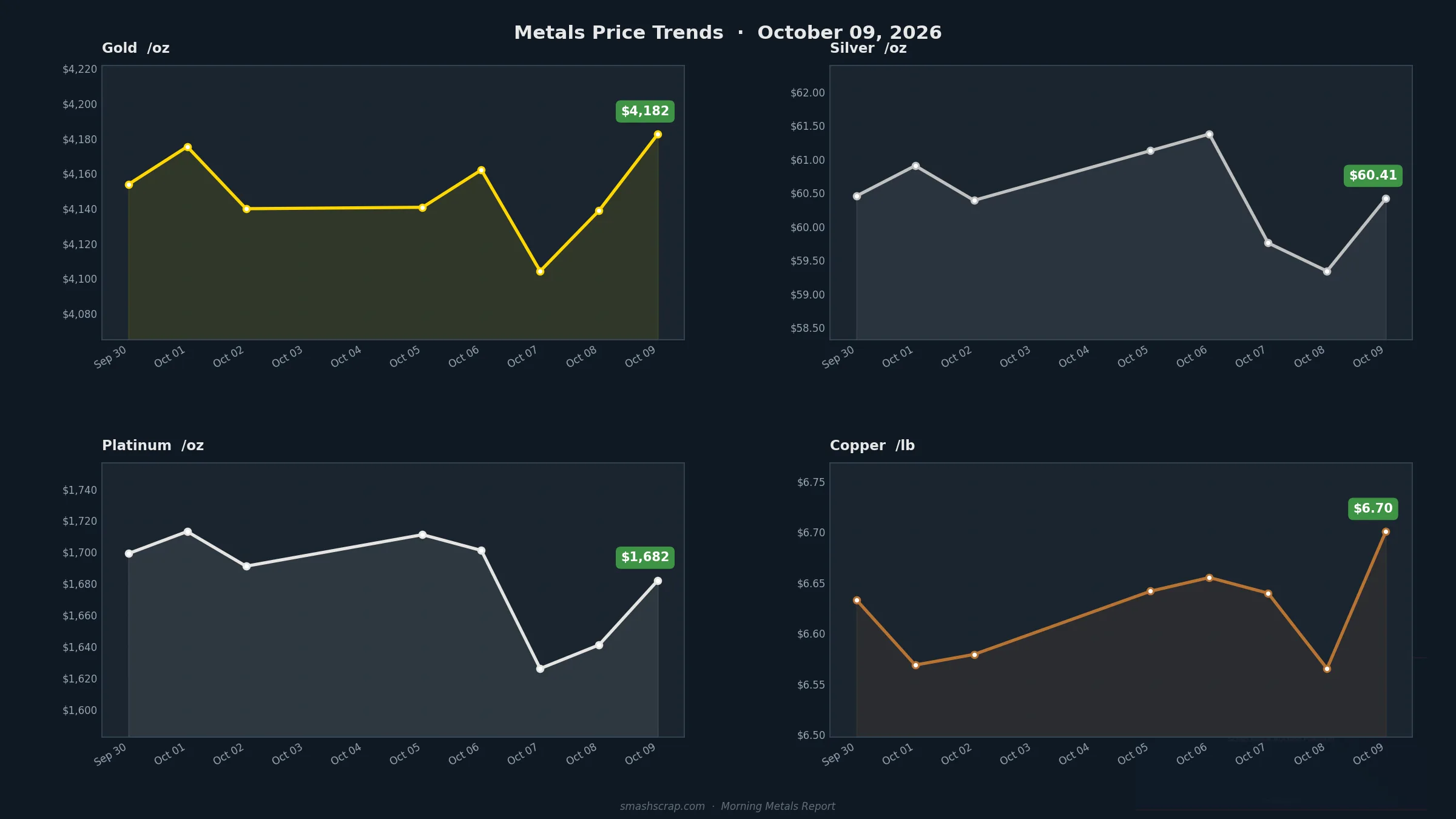
Tracking catalytic converter prices today requires understanding the underlying precious metal benchmarks. Platinum, palladium, and rhodium prices each influence final converter values differently depending on vehicle make and model. SMASH provides buyers and sellers with the market visibility to price material accurately rather than relying on secondhand information. To stay current on scrap metal market trends, read the latest from SMASH Recycling.
Scrap Metal Inventory Management: Turning Chaos Into a System
One of the least-discussed advantages of B2B auction platforms is what they do for your internal operations. Many scrap yards and industrial sellers in Canada — including operations in Saskatoon — still manage inventory through spreadsheets, handwritten logs, or no formal system at all. This creates real problems: material sits too long, pricing opportunities get missed, and disputes arise over weight or grade.
Effective scrap metal inventory management through an auction platform forces discipline in a good way. When you're listing material for competitive bids, you need to know:
- Exact weight by grade (not "a bunch of aluminum")
- Material condition and contamination levels
- Storage location and pickup logistics
- Timing — when material is available and how long you can hold it
Over time, this discipline creates a feedback loop. Sellers who list clean, well-documented inventory consistently attract stronger bids. The platform itself becomes a training tool for better internal processes. For larger operations across Saskatchewan, this translates directly into measurable margin improvements per tonne.
One question that comes up frequently from sellers new to industrial recycling: can you put scrap metal in the recycling bin? The short answer is no — not for any commercial or industrial volume. Curbside recycling programs handle consumer-grade materials in small quantities. Industrial scrap metal requires a dedicated collection and processing chain, which is exactly what a B2B marketplace facilitates. Residential recycling bins are simply not designed for copper scrap, aluminum sheet, or catalytic converters, and attempting to use them that way creates problems for municipal waste systems and leaves significant value unrealized.
Copper Scrap Prices, Market Transparency, and Why Auctions Level the Playing Field
Copper remains one of the most actively traded materials on any scrap platform. Copper scrap prices are highly sensitive to global manufacturing demand, energy infrastructure investment, and currency fluctuations — all of which create daily price movement that sellers need to track closely.
In a traditional sale, the buyer knows current copper spot prices. The seller may not. That information asymmetry consistently favors buyers. B2B auctions shift that dynamic. When multiple buyers compete for your copper, they bid based on what the material is worth to them — which reflects current market conditions far more accurately than a single phone negotiation.
For Saskatoon sellers specifically, this matters because copper scrap prices in Saskatchewan have historically lagged behind national market benchmarks simply due to fewer local buyers. A national auction platform closes that gap by connecting Saskatchewan sellers directly with buyers who price at national — or international — market rates.
The same logic applies to scrap metal prices today across all grades. Prices change daily. An auction run today reflects today's market. A phone negotiation reflects what one buyer is willing to offer today — which may or may not align with actual market value. You can also explore the broader ecosystem at smashscrap.com for additional resources and market insights.
How to Get Started on a Canadian B2B Scrap Metal Marketplace
Getting started is simpler than most sellers expect. If you're running a recycling yard, operating an auto dismantler, or managing industrial scrap from a manufacturing facility in Saskatoon or anywhere across Saskatchewan, the entry process on a platform like SMASH is straightforward:
- Register as a verified seller — Provide business credentials and basic operational details. Verification protects both buyers and sellers.
- Photograph and weigh your inventory — Accuracy here drives better bids. Buyers reward detailed, honest listings.
- Create your first listing — Select material type, grade, quantity, and preferred pickup window.
- Monitor bids in real time — Watch competitive offers come in during the auction window.
- Accept and fulfill — Confirm the best bid and coordinate logistics through the platform.
The Canadian scrap metal market in 2026 is more competitive and more transparent than it's ever been. Buyers are sophisticated. Prices move fast. Sellers who use structured platforms consistently outperform those who rely on relationships and phone calls alone. If you're ready to capture real market value for your scrap, join Canada's B2B scrap marketplace on SMASH Recycling and see the difference a competitive auction makes.
Frequently Asked Questions
Q: How does aluminum recycling work in Saskatoon for commercial operations?
Commercial aluminum recycling in Saskatoon requires sorting material by grade, weighing it accurately, and connecting with buyers who can process it at scale. B2B auction platforms allow Saskatoon sellers to list aluminum inventory and receive competitive bids from buyers across Canada — often achieving better prices than local bilateral negotiations alone.
Q: Can you put scrap metal in the recycling bin?
No. Curbside recycling bins are designed for household materials like cardboard, plastic containers, and glass. Commercial or industrial scrap metal — including aluminum sheet, copper wire, and catalytic converters — must be handled through dedicated scrap metal channels. B2B marketplaces like SMASH are the appropriate platform for selling industrial scrap at commercial volumes.
Q: How do catalytic converter prices work on a B2B auction platform?
Catalytic converter prices are driven by the platinum, palladium, and rhodium content inside the converter, which varies by vehicle make and model. On a B2B auction platform, sellers list converter types and quantities, and verified processors bid based on their current assay values and precious metal market prices. This competitive format typically produces stronger returns than single-buyer negotiations.
Q: What scrap metal prices should Saskatoon sellers expect in 2026?
Scrap metal prices fluctuate daily based on commodity markets, exchange rates, and regional demand. Rather than relying on static price lists, Saskatoon sellers benefit from using a live auction platform where bids reflect real-time market conditions. Always verify current pricing through an active marketplace before making selling decisions. Disclaimer: Prices fluctuate — check current rates on SMASH Recycling for up-to-date market values.
Q: Is a B2B scrap metal auction right for small recycling operations in Saskatchewan?
Yes, as long as you're operating at commercial volumes and dealing in business-grade scrap rather than small household quantities. Many mid-sized yards and industrial sellers across Saskatchewan have found that even modest-volume listings attract competitive bids when listed on a national platform. The key is accurate grading and clear listing details.
Stay ahead of scrap metal market trends and industry news — follow SMASH Recycling on LinkedIn for regular updates, pricing insights, and platform announcements.