Quebec City Catalytic Converter Recycling: Small Business Ed
Small recycling operations across Canada often feel dwarfed by massive industrial facilities that process thousands of vehicles monthly. Yet despite resource constraints, smaller catalytic converter recycling Canada businesses can carve out profitable niches and compete effectively against industry giants. The key lies in leveraging agility, specialized knowledge, and innovative platforms that level the playing field.
Quebec's recycling landscape demonstrates this perfectly. While large operations dominate volume processing, smaller facilities consistently outmaneuver them through strategic positioning and smart technology adoption. Success doesn't require matching the scale of major competitors—it demands working smarter, not harder.
Understanding Your Competitive Advantages as a Small Recycler
Small recycling operations possess inherent advantages that large facilities struggle to replicate. Speed tops this list. When a Quebec City automotive shop needs immediate catalytic converter buyers canada services, small recyclers respond within hours while larger operations require days for scheduling and logistics coordination.
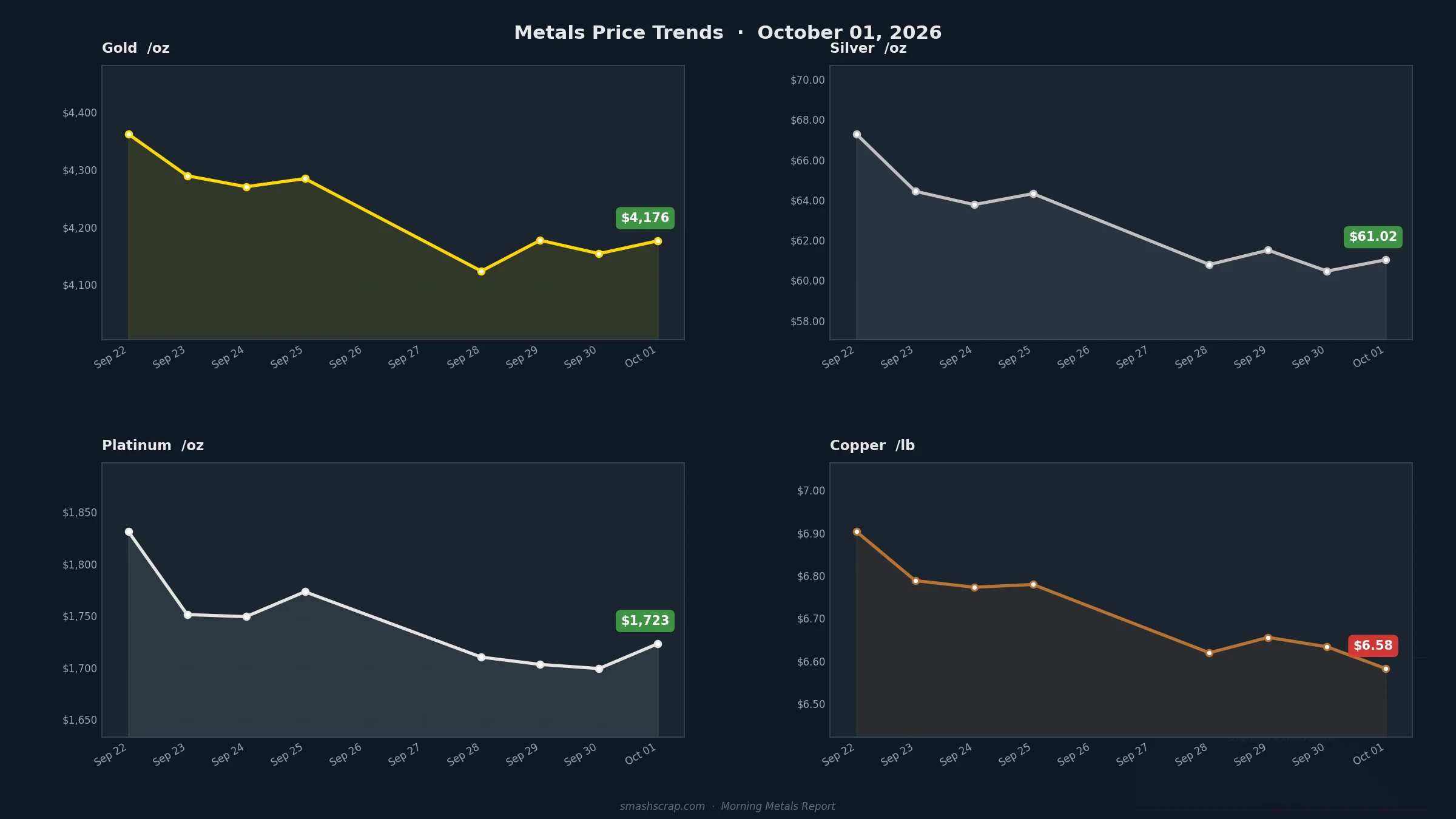
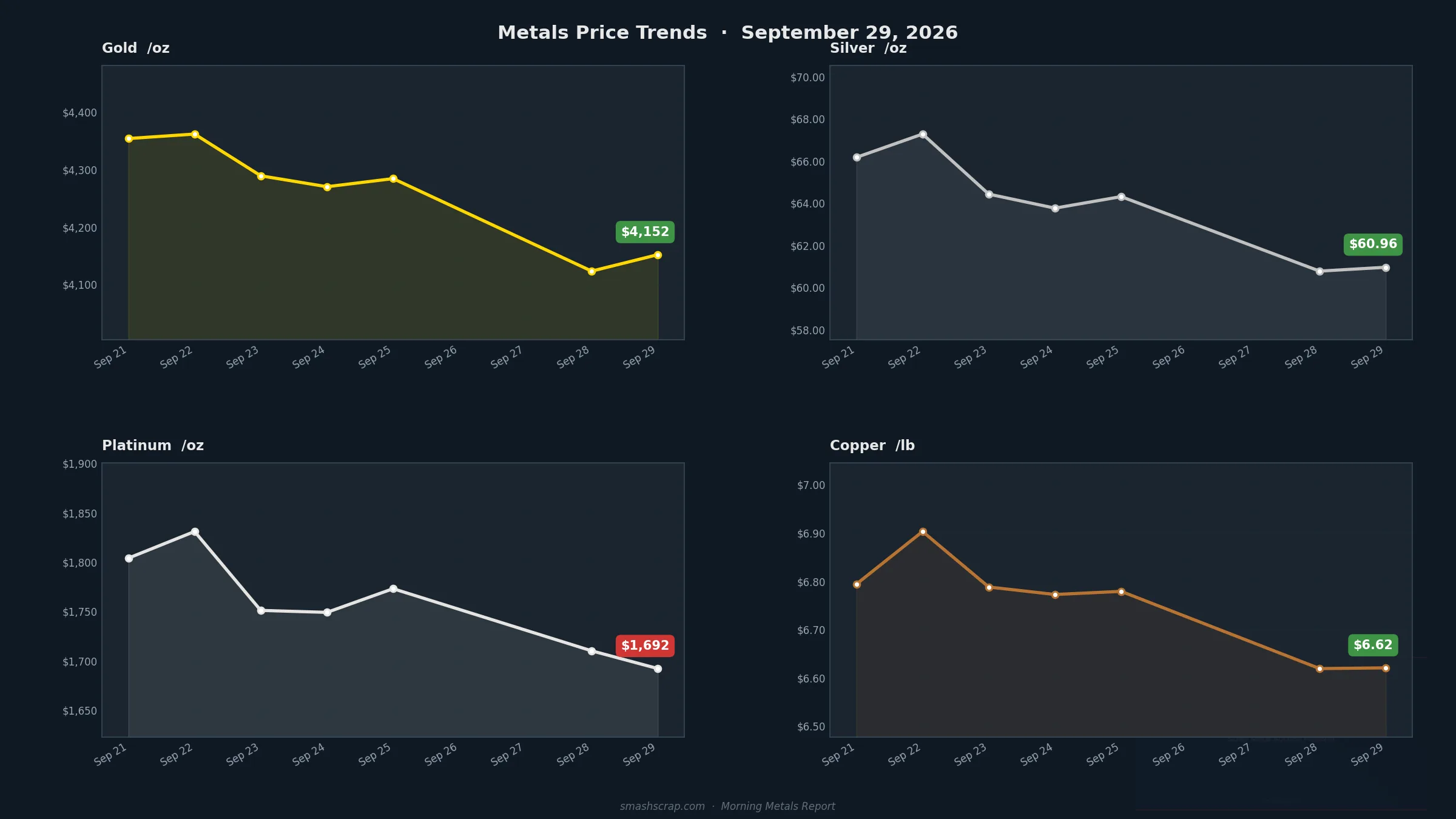
Flexibility represents another critical edge. Small recyclers adapt pricing strategies instantly based on daily market fluctuations. Large operations often lock into weekly or monthly pricing structures that miss profitable opportunities during volatile market periods. This agility becomes especially valuable when platinum price, palladium price, and rhodium price experience rapid changes.
Personal relationships drive significant competitive advantages. Small recyclers build direct connections with local automotive shops, repair facilities, and individual sellers. These relationships generate consistent material flows that bypass the competitive bidding wars common in wholesale markets. Trust and reliability often outweigh marginal price differences in supplier decisions.
Specialized expertise allows small operations to excel in specific material categories. Rather than processing everything, successful small recyclers focus on high-value items like catalytic converters, where knowledge of precious metal content and grading standards directly impacts profitability.
Leveraging Digital Platforms for Market Access
Digital transformation revolutionizes how small recyclers access markets previously dominated by large operations. Online marketplaces eliminate geographical limitations that historically restricted small businesses to local customer bases. Platforms like SMASH Recycling enable Quebec-based recyclers to compete nationally for premium scrap materials and buyers.
Auction-based selling maximizes returns on high-value materials. Traditional wholesale relationships often undervalue specialized items like catalytic converters. Digital auction platforms create competitive bidding environments where material value reflects true market demand rather than negotiated wholesale rates.
Real-time market data access levels information advantages. Small recyclers gain the same market intelligence as large operations through digital platforms. Current scrap metal prices today and catalytic converter prices today become instantly available, enabling strategic timing of sales and purchases.
When you explore SMASH Recycling's auction platform, you'll discover tools specifically designed to help smaller operations compete effectively. The platform provides market analytics, buyer networks, and transparent pricing that eliminates traditional middleman markups.
Strategic Specialization in Catalytic Converter Processing
Catalytic converter recycling offers exceptional opportunities for small operations willing to invest in specialized knowledge and equipment. These automotive components contain significant concentrations of platinum, palladium, and rhodium—precious metals commanding premium prices in current markets.
Understanding converter types and precious metal content becomes crucial competitive intelligence. Different vehicle manufacturers use varying catalyst formulations. Honda converters typically contain different ratios than Ford or Toyota units. Small recyclers who master these distinctions achieve significantly higher returns than those treating all converters identically.
Proper grading and sorting systems maximize material value. Many small operations lose money by selling mixed converter lots at average prices. Systematic separation by vehicle type, age, and engine size unlocks premium pricing for high-value units while ensuring appropriate pricing for standard materials.
Quebec City's automotive recyclers demonstrate effective specialization strategies. Successful operations focus on specific vehicle types—luxury cars, diesel trucks, or hybrid vehicles—developing expertise that commands premium pricing for related catalytic converters.
Investment in basic testing equipment pays substantial dividends. Handheld XRF analyzers cost significantly less than complete processing facilities but enable accurate precious metal assessment. This technology allows small recyclers to price materials confidently and identify exceptionally valuable units.
Building Strategic Partnerships and Networks
Collaboration strategies help small recyclers achieve scale advantages without massive capital investments. Cooperative purchasing agreements enable groups of small operations to negotiate better pricing on equipment, supplies, and transportation services traditionally available only to large facilities.
Regional network development creates mutual support systems among non-competing recyclers. Quebec recyclers often share market intelligence, equipment access, and specialized services. One facility might handle precious metal refining while another focuses on logistics and collection.
Automotive industry partnerships generate consistent material flows. Small recyclers succeed by becoming preferred partners for specific automotive shops, insurance companies, or fleet operators. These relationships provide predictable material volumes and reduce marketing expenses.
Technology partnerships expand capabilities without internal investment. Rather than purchasing expensive processing equipment, small recyclers partner with specialized refineries or processing facilities. These arrangements provide access to advanced capabilities while maintaining operational flexibility.
Industry associations like the Ontario Automotive Recyclers Association (OARA) and Automotive Recyclers of Canada (ARC) offer valuable networking opportunities. These organizations connect small recyclers with industry resources, training programs, and potential partners across Canada.
Optimizing Operations for Efficiency and Profitability
Operational efficiency becomes critical when competing against large-scale operations with economies of scale advantages. Small recyclers must eliminate waste, optimize processes, and maximize value extraction from every piece of material processed.
Inventory management systems prevent capital from sitting idle in unsorted materials. Simple tracking systems identify high-value items quickly and ensure proper storage conditions for sensitive materials like catalytic converters. Quick turnover generates cash flow advantages over competitors holding large inventories.
Strategic timing of sales maximizes returns during favorable market conditions. Small recyclers possess advantages in market timing because they can make immediate decisions without complex approval processes. When metal recycling prices Quebec spike, agile operations capitalize quickly.
Quality control standards ensure consistent customer satisfaction. Large operations sometimes sacrifice quality for volume processing. Small recyclers build reputations for accurate grading, clean materials, and reliable service that commands premium pricing.
When customers search for "scrap metal depot near me open now," small recyclers win by offering extended hours, flexible scheduling, and immediate service. These conveniences often outweigh marginal price differences in customer decisions.
Cost structure optimization focuses resources on high-return activities. Successful small recyclers often outsource low-margin services like transportation or basic processing while concentrating internal resources on specialized, high-value activities.
Marketing and Customer Acquisition Strategies
Effective marketing for small recyclers emphasizes personal service, local expertise, and specialized capabilities rather than competing purely on price. Local market knowledge provides significant advantages over distant large operations unfamiliar with regional preferences and regulations.
Digital marketing strategies enable small recyclers to compete for online visibility. Professional websites, search engine optimization, and social media presence create professional impressions that rival larger competitors. When customers sell catalytic converters online, strong digital presence influences selection decisions.
Educational content marketing establishes expertise and builds trust. Small recyclers succeed by sharing knowledge about precious metal markets, recycling processes, and industry trends. This approach positions them as knowledgeable partners rather than simple commodity buyers.
Customer service excellence differentiates small operations from impersonal large facilities. Personalized attention, flexible payment terms, and problem-solving assistance create customer loyalty that survives price competition. Quebec City recyclers often win customers through superior service despite higher pricing.
Referral programs leverage existing customer relationships to generate new business. Satisfied customers become effective sales representatives when incentivized appropriately. These programs cost significantly less than traditional advertising while generating higher-quality leads.
Community involvement builds local recognition and trust. Sponsoring local automotive events, participating in environmental initiatives, and supporting regional business organizations creates positive associations that influence customer decisions.
Success for small Canadian recyclers requires strategic thinking, operational excellence, and smart use of technology platforms. Rather than competing directly on scale, winning operations leverage their inherent advantages while addressing traditional disadvantages through innovation and partnership. Platforms like SMASH Recycling provide the technological infrastructure that enables small recyclers to access national markets and compete effectively with larger operations.
The future belongs to recyclers who combine local expertise with digital capabilities, specialized knowledge with operational efficiency. Join Canada's B2B scrap marketplace on SMASH Recycling and discover how your operation can compete successfully regardless of size. For additional insights and industry trends, read the latest from SMASH Recycling and consider expanding your market reach by choosing to sell your scrap metal on the SMASH marketplace.
Frequently Asked Questions
Q: Can small catalytic converter recyclers in Quebec City really compete with large industrial operations?
Yes, small recyclers often outperform large operations through specialized expertise, faster service, and personal relationships. Success comes from focusing on high-value materials like catalytic converters and leveraging digital platforms for market access.
Q: What equipment investments provide the best returns for small recycling operations?
Handheld XRF analyzers for precious metal testing and basic sorting equipment offer excellent returns. These tools enable accurate material assessment and proper grading without massive capital investments required for full processing facilities.
Q: How do digital platforms help small recyclers access better pricing?
Online auction platforms create competitive bidding environments where material value reflects true market demand. This eliminates traditional middleman markups and provides access to national buyer networks previously available only to large operations.
Q: What's the most effective specialization strategy for small Canadian recyclers?
Catalytic converter recycling offers exceptional opportunities due to high precious metal content and specialized knowledge requirements. Focusing on specific vehicle types or converter categories enables premium pricing through expert assessment and grading.
Q: How important are industry associations for small recycling operations?
Organizations like OARA and ARC provide essential networking opportunities, training resources, and industry connections. These associations help small recyclers access knowledge and partnerships typically available only to larger operations.
Stay connected with industry developments and market insights by following SMASH on LinkedIn at https://www.linkedin.com/company/scrap-metal-auction-sales-hub for the latest updates on scrap metal markets and recycling opportunities.