Photos Drive Better Bids: Aluminum Recycling Brandon
Why a Photo Is Worth More Than Your Word in Scrap Metal Auctions
Here's a hard truth about online scrap metal transactions: buyers can't touch the load. They can't walk your yard, pull a cat off the shelf, or weigh a drum of non-ferrous on their own scale. All they have is what you show them. In the Canadian scrap metal market, that gap between what a seller says and what a buyer sees is where deals fall apart — or never get made in the first place.
Photo verification changes that equation. For aluminum recycling Brandon yards, catalytic converter dealers, and anyone moving volume through a B2B scrap metal marketplace, documented inventory isn't just a nice-to-have. It's the difference between competitive bids and radio silence.
The Trust Problem in Canadian Scrap Metal Auctions
Scrap metal has a credibility problem. Not because sellers are dishonest — most aren't — but because the old way of selling created almost no accountability. One buyer. One phone call. A verbal description of the load. A price pulled from someone's gut. No documentation. No photos. No paper trail.
That system worked when everyone knew everyone. It doesn't work when you're trying to reach 20 vetted buyers across Manitoba, Ontario, and British Columbia simultaneously. Remote buyers won't overbid on a load they can't verify. They protect themselves by bidding low. That's not greed — that's rational behaviour when information is scarce.
Photo verification solves the information gap. When a buyer can see a clear photo of every drum, every pallet, every catalytic converter with a readable serial number, they bid with confidence instead of caution. More confidence means tighter spreads. Tighter spreads mean better price discovery for you.
What Good Photo Documentation Actually Looks Like
Not all photos are equal. A blurry shot of a pile doesn't move the needle. Buyers need to see what they're bidding on with enough clarity to make a real decision. The standard on a platform like SMASH isn't complicated, but it is specific.
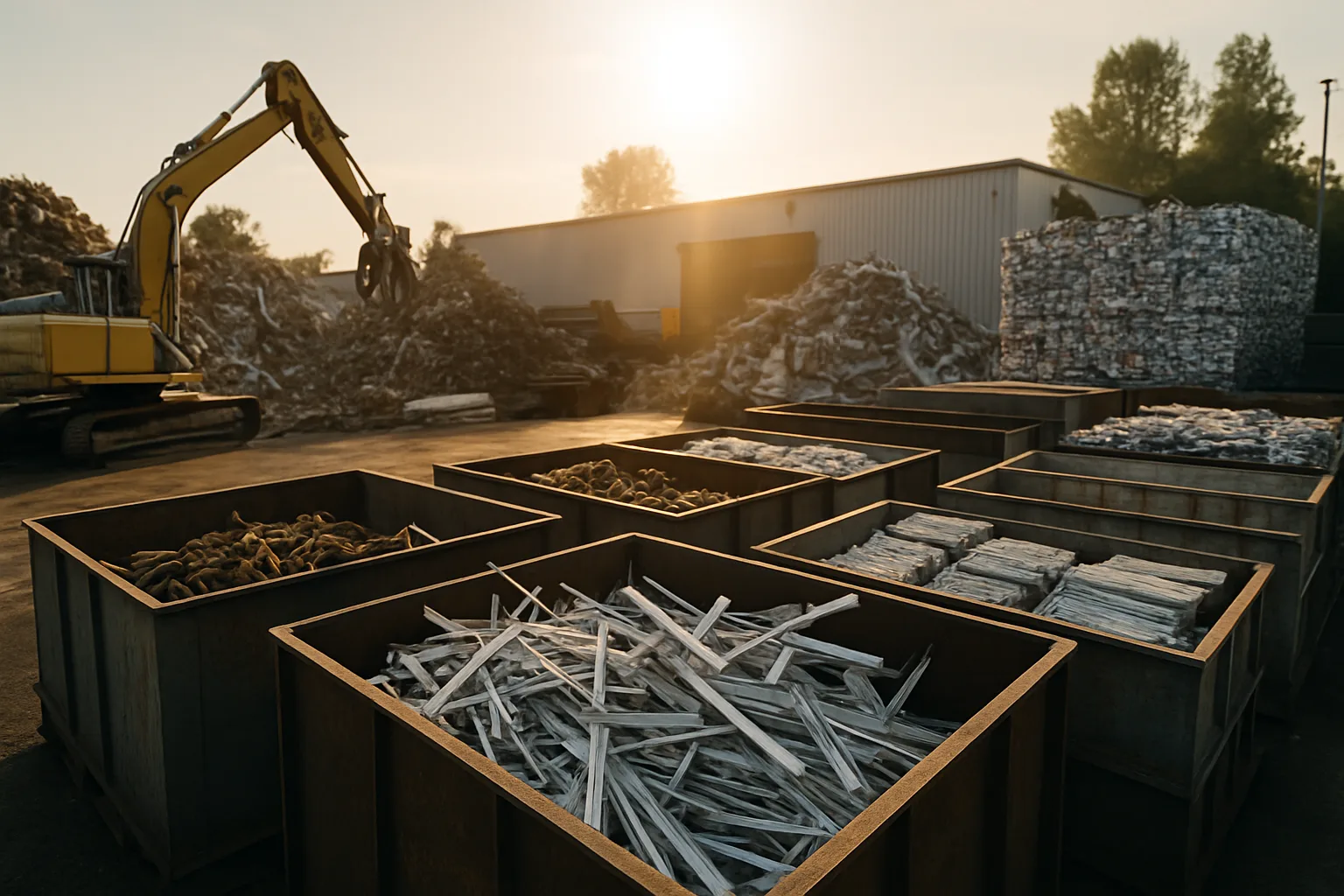
For a load of aluminum — whether it's clips, extrusions, or cast — you want shots that show:
- Grade separation. Is the aluminum segregated or mixed? Show it clearly. A mixed load that looks segregated will cost you the relationship and the next deal.
- Weight documentation. A photo of the scale ticket alongside the material ties the number to the load. Buyers notice when that's missing.
- Contamination level. Iron attachments, paint, oil — document it honestly. Buyers will price it in either way. Transparency upfront prevents disputes after the fact.
- Quantity indicators. Show the pallets stacked, the drums lined up, the bins full. Give buyers a sense of volume without forcing them to guess.
For catalytic converters, the bar is even higher. Serial numbers are everything in cat trading. A photo of each cat with a legible serial lets buyers cross-reference platinum, palladium, and rhodium content before they bid. That's the kind of data that turns a cautious offer into a competitive one. Platforms like SMASH support serial tracking and photo documentation as part of the listing process — not as an afterthought.
How Photo Verification Affects Scrap Metal Prices in Practice
Let's be direct: documented inventory can support better price discovery. That's not a guarantee — scrap metal prices fluctuate with commodity markets, and platinum price, palladium price, and rhodium price move daily based on global demand. No platform can promise you a set return. But competition can help reveal the market, and documented loads attract more competition.
Think about it from the buyer's side. A buyer looking at an undocumented load of aluminum scrap from Brandon has two options: bid low to protect against unknown risk, or pass entirely. The same buyer looking at a well-documented load with clear photos, a scale ticket, and grade separation noted? Now they have something to work with. They can bid accurately. And when multiple buyers can bid accurately, you stop leaving money on the table.
The same logic applies to copper scrap prices, to cores, to any non-ferrous material moving through the Canadian scrap metal market. Documented loads are easier to price. Easier to price means faster to sell. Faster to sell means less carrying cost for the yard.
For pro auto recyclers Canada-wide recognize this dynamic. Organizations like the Automotive Recyclers of Canada (ARC) and the Ontario Automotive Recyclers Association (OARA) have long emphasized documentation and traceability as hallmarks of professional recycling operations. Photo verification is the digital extension of that standard — bringing the same accountability to online auctions that physical inspections brought to in-person transactions.
Aluminum Recycling in Brandon: Why Local Yards Need Online Reach
Brandon isn't Toronto. The local buyer pool is smaller. If you're running a recycling operation in Brandon and relying on a handful of local buyers to move your aluminum, your non-ferrous, or your catalytic converters, you're pricing yourself into a corner. Competition requires competitors. And competitors need to be able to see what they're bidding on.
This is where aluminum recycling Brandon operations have the most to gain from photo-documented online auctions. A well-photographed load of aluminum extrusion from a Manitoba yard can attract bids from buyers in Winnipeg, Calgary, and beyond — buyers who would never pick up the phone for a cold call but will absolutely bid on a clean, documented lot.
SMASH gives yards in Brandon and across Manitoba access to a vetted buyer network without requiring a subscription fee. You pay nothing until a deal closes. That's a low-risk way to test whether documented online auctions outperform your current single-buyer arrangement. Most yards that try it don't go back. Explore SMASH Recycling's auction platform to see how the listing process works before you commit to anything.
Building Long-Term Buyer Relationships Through Consistent Documentation
One strong auction is useful. A consistent track record of well-documented loads is a business asset. Buyers remember which sellers make their job easy. When your listings consistently include accurate photos, honest grade descriptions, and proper BOLs and packing lists, buyers start factoring that reliability into their bids.
In a commodity market where scrap metal prices today can shift 5% in a week, relationship capital matters. Buyers who trust your documentation will bid more aggressively on your loads because they're not pricing in a documentation risk premium. Over time, that trust shows up in your averages — not dramatically, but consistently.
It also protects you. Disputes in scrap metal transactions usually come down to: "That's not what I thought I was buying." When every load has photo documentation tied to the auction record, that conversation gets short very fast. The photos are the record. Auto-invoicing tied to documented inventory closes the loop further — less back-and-forth, fewer disputes, cleaner books.
For yards that compare scrap metal bids from verified buyers regularly, documentation isn't administrative overhead. It's a competitive advantage that compounds over time.
Getting Started: What Manitoba Yards Should Do This Week
If you're in Brandon or anywhere in Manitoba and you haven't moved to documented online auctions yet, the starting point is simpler than most yards expect. You don't need a photography studio. You need a smartphone, decent lighting, and a process.
Start with your highest-value material — catalytic converters, copper, segregated aluminum. Document one load thoroughly. Post it. See what happens when multiple buyers can see exactly what they're bidding on. The results tend to be instructive.
Platforms built for this workflow — like SMASH — have inventory tools, VIN lookup for automotive material, and serial tracking that make documentation part of the listing process rather than extra work added on top. The goal is to build documentation habits that scale, not create a one-time extra step.
Ready to put documented auctions to work? Join Canada's B2B scrap marketplace on SMASH Recycling and list your first load. No subscription fees. No guesswork. Just vetted buyers competing on a clear picture of what you're selling.
Note: Scrap metal prices — including aluminum, copper, platinum, palladium, and rhodium — fluctuate with global commodity markets. Always verify current rates before finalizing any transaction. Nothing in this article constitutes a price guarantee.
Frequently Asked Questions
Q: How does photo verification help with aluminum recycling in Brandon?
Photo documentation lets buyers outside your local market bid confidently on your aluminum loads without a physical inspection. For Brandon yards with limited local buyer competition, this opens the door to buyers across Manitoba and the rest of Canada — which supports better price discovery on every load.
Q: Does better documentation actually affect what I get paid for scrap metal?
Documentation doesn't guarantee higher prices — commodity markets set the floor. But documented loads attract more bidders, and more competition can help reveal the true market value of your material. Undocumented loads tend to attract cautious, low bids or no bids at all.
Q: What photos do I need when selling catalytic converters online?
At minimum, include a clear photo of each catalytic converter showing the serial number, overall condition, and any visible damage. Serial numbers allow buyers to reference platinum, palladium, and rhodium content databases before bidding — which directly affects the offer you receive. SMASH supports serial tracking as part of the listing workflow.
Q: Is SMASH available to scrap yards across Canada, including smaller markets like Brandon?
Yes. SMASH serves yards and buyers across Canada. Location doesn't limit your access to the buyer network — documented listings reach vetted buyers nationally, regardless of where your yard is located in Manitoba or elsewhere.
Q: Do I need to pay a subscription to list on SMASH?
No. SMASH operates without subscription fees. You only pay when a deal closes — meaning there's no upfront cost to test whether the platform works for your operation. It's built so that SMASH only wins when the seller wins.
Stay current on scrap metal market trends and auction platform updates — follow SMASH on LinkedIn for industry insights, price movements, and news relevant to Canadian recyclers and scrap metal buyers.