Auto Recycling Medicine Hat: Photo Verification Boost
If you've ever bought a load of scrap sight-unseen and got burned, you already know the problem. Online scrap metal transactions move fast — and without proper documentation, buyers are bidding blind and sellers are leaving money on the table.
Photo verification changes that. For yards doing auto recycling in Medicine Hat and across Alberta, it's becoming the baseline expectation — not a bonus feature. This article breaks down why photo documentation matters, how it's reshaping trust in B2B scrap metal auctions, and what it means for your bottom line.
The Old Way Was Built on Guesswork
Think about how most scrap transactions used to work. A yard calls one buyer. Describes the load over the phone. The buyer offers a number based on a description — maybe accurate, maybe not. No documentation. No competition. No way to verify condition until the truck shows up.
That model worked when everyone knew everyone and margins were fat enough to absorb surprises. In 2026, it doesn't work anymore. Buyers are operating leaner. They're sourcing from multiple regions. They need to make purchasing decisions without physically touching the material. That means documentation isn't optional — it's the product.
The scrap business runs on trust, but trust without verification is just hope. When a buyer bids on a pallet of catalytic converters or a container of copper wire, they're committing real money to a material they haven't seen. Photo verification is how you replace hope with confidence.
What Photo Verification Actually Means in a Scrap Metal Auction
This isn't about snapping a quick phone photo and calling it done. Effective photo documentation in a B2B scrap metal marketplace means systematic, standardized capture of your inventory before it moves.
For a load of cats, that means:
- Clear images of individual units — not a pile shot from ten feet away
- Serial numbers or VIN references where traceable
- Weight documentation and count verification
- Condition notes — cracked substrates, aftermarket units, foil-type converters clearly identified
- Grade separation visible in photos — not just listed on paper
For non-ferrous loads — copper wire, aluminum clips, brass cores — buyers need to see grade consistency. A photo that shows copper mixed with insulated wire tells a different story than one showing clean bright copper. That difference can swing the bid significantly. Documented inventory gives buyers more confidence, and more confidence means more competitive bidding.
Platforms like SMASH Recycling's auction platform are built around this principle. The inventory tool isn't just a listing form — it's a documentation workflow that captures what buyers actually need to bid with conviction.
Why Photo Verification Matters for Auto Recycling in Medicine Hat
Medicine Hat sits in a part of Alberta where scrap yards service a broad region — agriculture, oil patch, residential, and commercial sources all feeding into local auto recycling operations. The material mix is diverse. The buyer pool, historically, has been limited by geography.
That's exactly why online auctions with photo documentation change the game for auto recycling in Medicine Hat. When your inventory is properly documented, your buyer pool isn't just the two or three smelters within driving distance. It's vetted buyers across Canada — and that competition is what drives price discovery.
A Medicine Hat yard pulling catalytic converters off end-of-life vehicles, documenting each unit with photos and serial tracking, and listing them in an online auction isn't just more organized — they're competing at a national level. The organizations like the Automotive Recyclers of Canada (ARC) and the Ontario Automotive Recyclers Association (OARA) have long advocated for documentation standards that protect both sellers and buyers. Photo verification aligns directly with those best practices.
For buyers looking at catalytic converter buyers Canada-wide, a well-documented listing from a Medicine Hat yard is as credible as one from a Toronto operation. That's what standardized photo verification delivers: geography stops being a disadvantage.
Scrap Metal Inventory Management: Documentation as a Competitive Edge
Here's something most yard operators don't think about until they've lost a deal over it: poor documentation doesn't just cost you on one transaction. It costs you repeat business.
Buyers who get burned by inaccurate descriptions — material that doesn't match photos, weights that don't add up, grade misrepresentation — stop bidding on your listings. In an auction environment, that directly reduces competition on your future loads. Fewer bidders means lower prices. The documentation problem compounds over time.
Strong scrap metal inventory management built around photo verification does the opposite. It builds a track record. Buyers know that when they see a listing from your yard, the photos reflect reality. Your bid counts go up. Your price discovery improves. The relationship between documentation discipline and sale outcomes is direct — not theoretical.
SMASH supports this through built-in serial tracking for catalytic converters, photo uploads tied directly to inventory records, and auto-invoicing that creates a clean paper trail from listing to payout. No subscription fees, no guessing — join Canada's B2B scrap marketplace on SMASH Recycling and see how the workflow changes.
How Photo Documentation Affects Pricing on Cats, Copper, and Non-Ferrous Material
Let's be direct about this: photo verification doesn't guarantee a higher price on every load. What it does is remove the discount buyers apply when they're uncertain. That uncertainty discount is real — and it's often larger than sellers realize.
For catalytic converters, where platinum, palladium, and rhodium content drives value, uncertainty is expensive. A buyer who can't verify unit count, can't confirm converter type, and can't rule out cracked or foil units will bid conservatively. They have to — they're pricing in the risk. When your documentation removes that risk, their bid reflects the actual material value, not the material value minus a hedge.
For copper recycling in Medicine Hat and across Alberta, the same principle applies. Copper scrap prices today are influenced by grade — bare bright, #1, #2, insulated wire all trade at different levels. A photo that clearly shows grade separation lets buyers bid the actual grade, not the worst-case grade. That's money in your pocket.
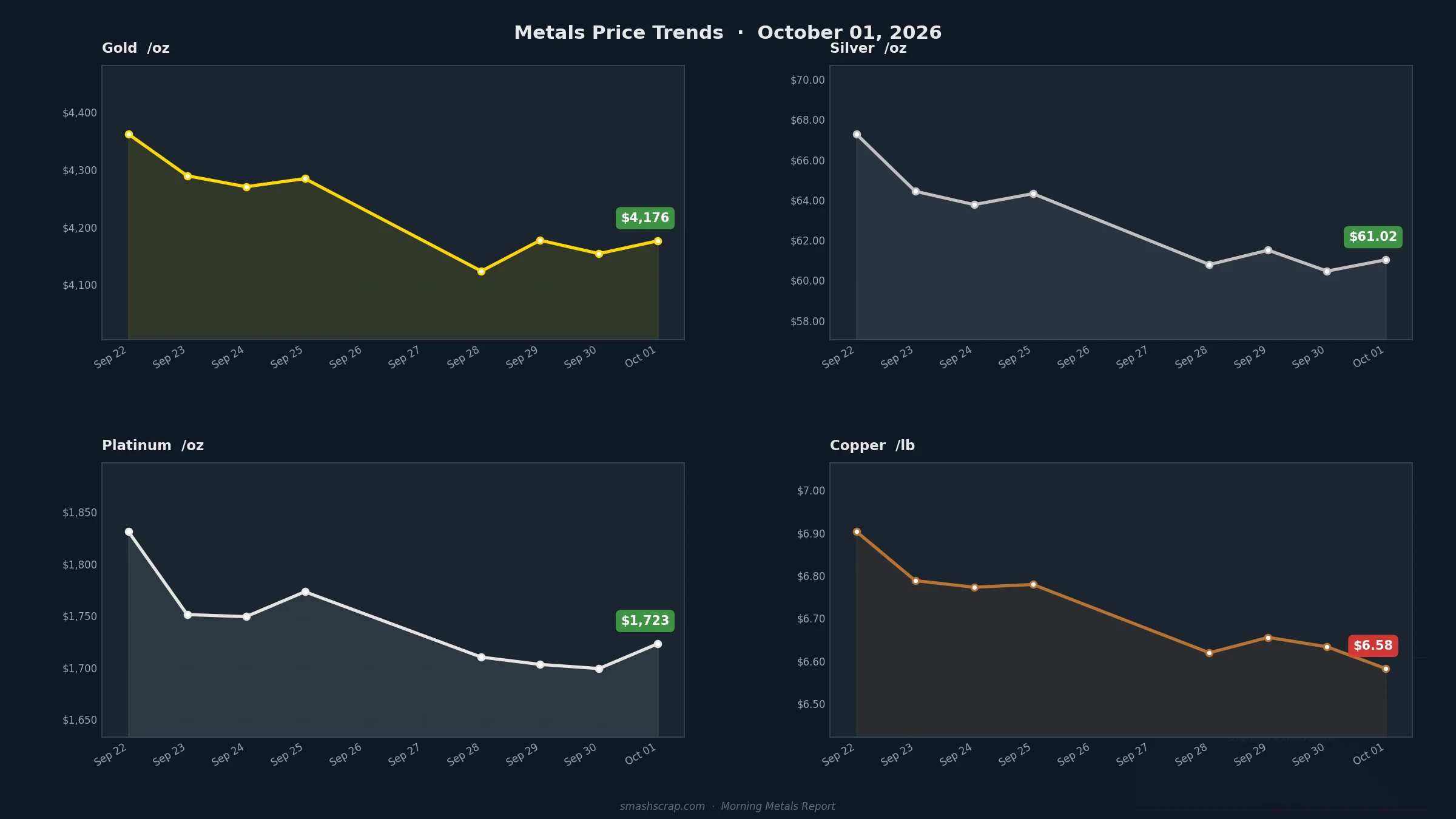
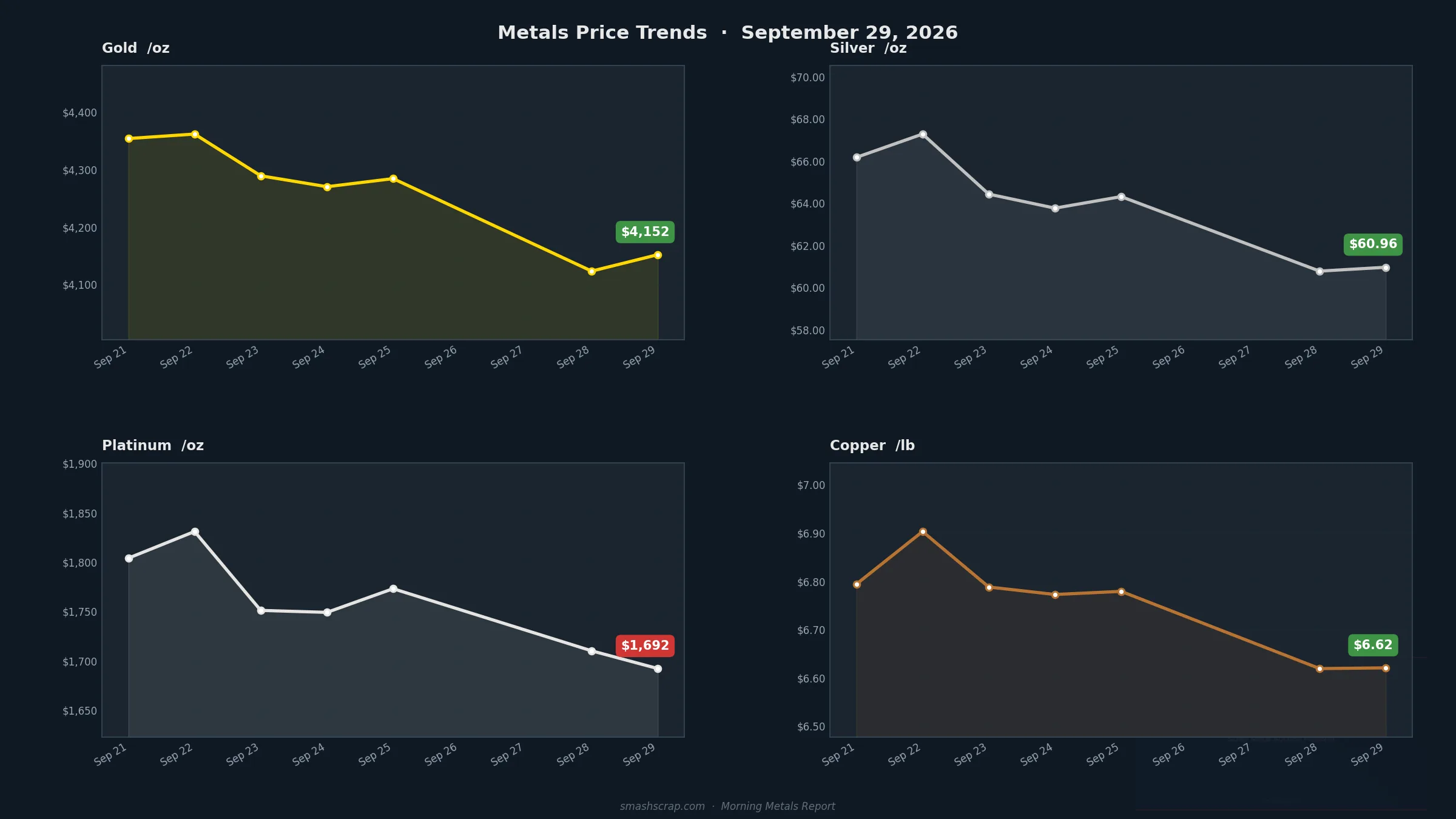
Precious metal content in cats — platinum price, palladium price, rhodium price — fluctuates daily. When you're transacting in a market where commodity values shift, your documentation becomes even more critical. A well-documented load transacts faster because buyers don't need to negotiate uncertainty out of the price. They can bid based on what they see. Catalytic converter prices today are only as useful to you as your ability to present material that matches what the market is pricing.
Want to stay current on Canadian scrap metal prices and market shifts? Read the latest from SMASH Recycling — updated regularly with content built for yard operators and buyers.
Trust Is Now a Measurable Asset in Auto Salvage Canada
The Canadian auto salvage market is consolidating. Buyers are getting more sophisticated. The informal handshake deals are giving way to documented, auditable transactions — not because regulators are forcing it, but because the economics demand it.
When you operate in the auto salvage Canada space and build a reputation for accurate documentation, that reputation has real dollar value. Vetted buyers on platforms like SMASH aren't just looking for material — they're looking for reliable sources. A yard that consistently delivers accurately documented loads becomes a preferred source. Preferred sources get more bids, more consistently.
Photo verification is also compliance infrastructure. As provincial regulations in Alberta and across Canada continue to evolve around vehicle documentation and end-of-life vehicle tracking, yards that already have photo documentation workflows are ahead of the curve. ARC and OARA standards don't exist in a vacuum — they reflect where the industry is heading. Building that habit now protects you later.
For buyers using smashscrap.com, access to documented inventory from across Canada — including Alberta yards doing auto recycling in Medicine Hat — is exactly what makes the platform worth using. Documented supply is reliable supply.
Frequently Asked Questions
Q: How does photo verification work when I list a load on an online scrap auction?
When you create a listing, you upload photos of the actual material — individual units, weight documentation, grade separation, and any serial or VIN references. Buyers see these photos before they bid. SMASH's inventory tool is built to capture this documentation as part of the listing workflow, not as an afterthought.
Q: Does photo documentation actually change what buyers will pay for my scrap?
It can. Buyers price uncertainty into their bids. When your documentation removes uncertainty — accurate photos, clear grades, verified counts — buyers don't need to hedge as aggressively. More confidence in the material typically means more competitive bidding. That said, prices also depend on commodity markets, competition, and buyer demand on any given day.
Q: Is auto recycling in Medicine Hat active enough to attract buyers on a national platform?
Yes. Well-documented material from any Alberta yard is visible to vetted buyers across Canada on SMASH. Geography matters less when documentation is strong. Buyers looking for catalytic converters or non-ferrous material aren't limiting themselves to local sources — they're looking for reliable, documented loads wherever they are.
Q: What types of scrap material benefit most from photo documentation?
Catalytic converters benefit most because grade, condition, and unit count directly affect value — and those details are hard to verify without photos. Non-ferrous material like copper wire, aluminum, and brass also benefits significantly because grade separation is visible in photos. Even ferrous loads benefit when buyers can see bale quality or shred consistency before bidding.
Q: Do industry organizations like ARC or OARA require photo documentation?
The Automotive Recyclers of Canada (ARC) and the Ontario Automotive Recyclers Association (OARA) both promote documentation standards that support traceable, responsible auto recycling. While specific requirements vary, both organizations advocate for practices that align with photo verification workflows. Following those standards puts your yard ahead of minimum compliance requirements.
The scrap industry is moving toward documentation-first transactions — not because it's trendy, but because it works. If you're running a yard in Medicine Hat or anywhere across Alberta and you're still selling on a handshake and a phone description, you're leaving price discovery on the table. SMASH is built around the idea that documented inventory and competitive auctions produce better outcomes for sellers. No subscription fees. No single buyer telling you what your load is worth.
If that sounds like the direction your yard needs to move, explore SMASH Recycling's auction platform and get your first load listed. The market is there. The buyers are vetted. The documentation tools are built in. You just need to show up with accurate material and let competition do its job.
Follow SMASH on LinkedIn for industry updates, scrap metal market insights, and platform news: linkedin.com/company/scrap-metal-auction-sales-hub.