
Montreal Metal Grading Standards: B2B Auction Success
Understanding Metal Grading Standards in Canadian B2B Scrap Auctions
The Canadian scrap metal market operates on precise grading standards that determine pricing across B2B auction platforms. For sellers searching for metal recycling near me Montreal, understanding these classifications can mean the difference between premium pricing and basic commodity rates. Quebec's industrial landscape generates diverse metal streams, from automotive components to construction materials, each requiring specific grading knowledge for maximum auction returns.
Professional grading impacts every transaction on digital marketplaces. Copper #1 commands significantly higher prices than mixed copper due to purity levels and contamination factors. Similarly, aluminum specifications separate aircraft-grade materials from everyday beverage cans. SMASH Recycling's auction platform connects Canadian sellers with buyers who understand these distinctions, creating transparent pricing based on verified grades.
Current market dynamics in 2026 show increased demand for properly graded materials. Supply chain requirements have tightened, making accurate classifications essential for competitive bidding. Montreal's proximity to major manufacturing centers amplifies this need, as join Canada's B2B scrap marketplace on SMASH Recycling facilitates connections between local sellers and national buyers seeking specific grades.
Primary Metal Categories and Grading Systems
Ferrous metals follow Institute of Scrap Recycling Industries (ISRI) standards adapted for Canadian markets. #1 Heavy Melting Steel requires pieces over 1/4 inch thick, free from attachments and excessive rust. #2 Heavy Melting allows some contamination but maintains structural integrity requirements. These distinctions directly affect pricing in Quebec's competitive marketplace.
Non-ferrous metals command premium attention due to higher values. Copper grades include:
- Copper #1: Clean, bright wire and tubing without attachments
- Copper #2: Clean copper with slight tarnishing or minor attachments
- Light Copper: Thin materials like roofing or gutters
- Copper Radiators: Automotive cooling systems with brass components
Aluminum classifications vary significantly by alloy content. Cast aluminum from automotive components differs from extruded materials used in construction. Sheet aluminum maintains separate pricing from mixed aluminum due to processing requirements. Understanding these categories helps Montreal sellers position materials effectively on auction platforms.
Stainless steel grading depends on magnetic properties and alloy composition. 300 series stainless (non-magnetic) typically commands higher prices than 400 series (magnetic). Mixed stainless falls into lower-grade categories, emphasizing the importance of separation during collection processes.
Auto Recycling Montreal: Vehicle Component Grading
The automotive recycling sector presents unique grading challenges due to mixed materials and contamination factors. Catalytic converters represent the most complex grading category, with pricing determined by precious metal content including platinum, palladium, and rhodium. Current auto recycling Montreal operations focus heavily on proper converter identification, as misgrading can result in significant financial losses.
Engine blocks and transmission cases fall into cast iron or aluminum categories depending on manufacturing specifications. Modern vehicles increasingly use aluminum engine components, requiring careful separation from steel attachments. Wiring harnesses contain varying copper content, with factory harnesses commanding higher prices than aftermarket alternatives.
Battery recycling follows strict environmental protocols while maintaining grade distinctions. Lead-acid batteries from vehicles require proper handling procedures but offer consistent pricing. Hybrid and electric vehicle batteries present emerging categories with specialized grading requirements as these vehicles reach end-of-life stages in greater numbers.
Steel wheels versus aluminum alloy wheels represent different value propositions. Aluminum wheels require removal of weights and valve stems for proper grading. Chrome-plated steel wheels fall into contaminated steel categories due to surface treatments. explore SMASH Recycling's auction platform to connect with buyers who understand these automotive-specific grading requirements.
Is It Better to Scrap or Sell My Old Car? Maximizing Value Through Proper Grading
Vehicle owners frequently question whether scrapping provides better returns than private sales. The answer depends largely on vehicle condition and current market conditions. Cars with significant mechanical issues, body damage, or safety concerns often generate more value through systematic dismantling and material grading than whole vehicle sales.
Professional auto recyclers evaluate vehicles based on component values rather than transportation functionality. A non-running vehicle might contain valuable catalytic converters, aluminum body panels, or copper wiring that exceed the car's whole-unit value. Quebec's established automotive recycling network provides multiple outlets for properly graded materials.
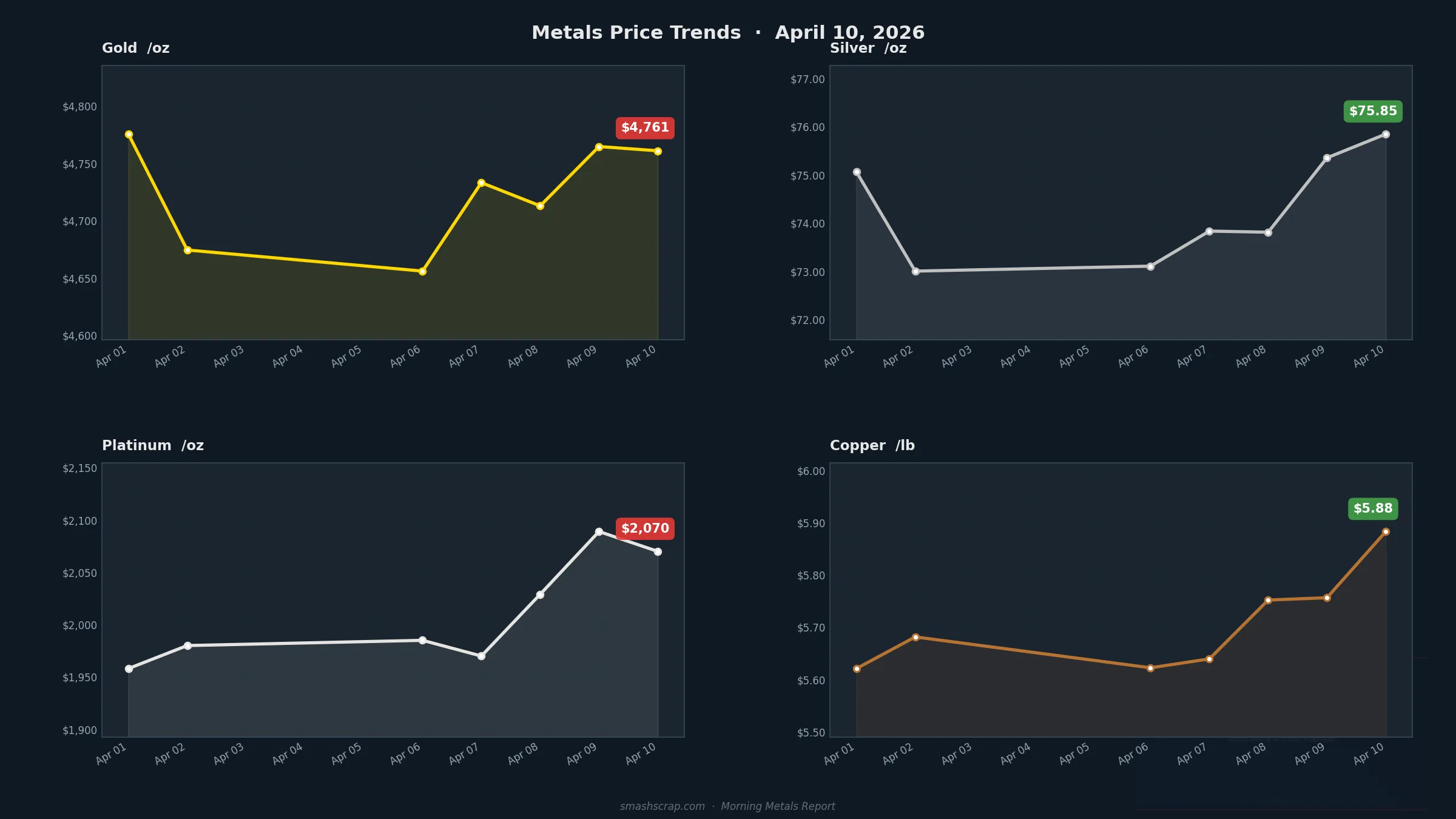
Market timing plays a crucial role in this decision. Metal recycling prices fluctuate based on global demand, currency exchange rates, and industrial activity levels. Current 2026 pricing shows strong demand for aluminum and copper, making systematic dismantling attractive for vehicles containing significant quantities of these materials.
The dismantling process allows for proper grading of each component category. Rather than accepting bulk pricing for an entire vehicle, sellers can optimize returns by separating materials into appropriate grades. This approach requires more time and knowledge but consistently generates higher total returns for sellers willing to invest the effort.
Quebec Market Dynamics and Regional Pricing Factors
Quebec's manufacturing base creates distinct demand patterns for recycled materials. The province's aluminum smelting operations generate consistent demand for secondary aluminum, supporting strong pricing for properly graded materials. Montreal's port facilities provide export opportunities, connecting local sellers with international markets through digital auction platforms.
Regional transportation costs affect pricing structures across the province. Materials located near major highways or rail connections command slight premiums due to reduced logistics expenses. SMASH Recycling's platform accounts for these geographic factors, allowing buyers to factor transportation into their bidding strategies while providing transparency for sellers.
Seasonal variations impact certain material categories. Construction-related metals see increased activity during warmer months, while automotive recycling maintains more consistent year-round demand. Understanding these patterns helps sellers time their auction listings for optimal pricing periods.
Currency exchange rates significantly influence export-oriented materials. Copper, aluminum, and precious metals trade in USD globally, making Canadian materials attractive during favorable exchange periods. read the latest from SMASH Recycling for current market insights and timing strategies.
Digital Auction Platform Best Practices
Successful auction listings require accurate photography and detailed descriptions. Close-up images showing material cleanliness and contamination levels help buyers assess grades remotely. Weight estimates and loading accessibility information facilitate accurate bidding from professional buyers across Canada.
Timing auction endings for business hours increases participation from commercial buyers. Tuesday through Thursday closings typically generate more competitive bidding than weekend endings. Geographic targeting features allow sellers to focus on regional buyers while maintaining national marketplace access.
Lot sizing strategies balance administrative efficiency with competitive pricing. Combining similar grades into larger lots attracts commercial buyers seeking volume quantities. Separating premium materials from standard grades ensures proper valuation recognition for higher-quality materials.
The Automotive Recyclers of Canada (ARC) provides industry standards that align with digital marketplace requirements. Following ARC guidelines for material preparation and documentation enhances seller credibility while ensuring compliance with environmental regulations. Ontario Automotive Recyclers Association (OARA) resources offer additional insights for sellers operating across provincial boundaries.
Professional grading knowledge transforms occasional sellers into consistent marketplace participants. sell your scrap metal on the SMASH marketplace with confidence that proper grading maximizes returns while connecting with qualified buyers across Canada's growing B2B scrap metal network.
Frequently Asked Questions
Q: How much will I get if I scrap my old car?
Scrap car values depend on weight, current metal prices, and component grades. A typical car contains 2,000-3,000 pounds of recyclable steel, plus valuable aluminum, copper, and catalytic converters. Current Quebec market rates suggest values between $200-800 depending on size and material composition.
Q: What's the difference between #1 and #2 copper pricing?
#1 copper commands 5-15% higher pricing than #2 copper due to purity requirements. Clean, bright copper wire without attachments qualifies for #1 grades, while tarnished or lightly contaminated materials fall into #2 categories. Proper separation significantly impacts total returns.
Q: How does SMASH Recycling verify material grades?
SMASH employs professional grading standards with photo verification and buyer inspection rights. Sellers provide detailed descriptions and images, while buyers can request additional documentation or on-site verification before finalizing purchases through the auction platform.
Q: Are aluminum recycling prices higher in Montreal than other Quebec cities?
Montreal's pricing typically matches provincial rates due to efficient transportation networks and competitive buyer presence. Location advantages include proximity to port facilities and manufacturing centers, but auction platforms eliminate most geographic pricing disparities through competitive bidding.
Q: What documentation is required for precious metal components?
Catalytic converters and other precious metal components require serial number documentation and removal verification. Legitimate sellers must provide proof of ownership and removal source, ensuring compliance with anti-theft regulations while maintaining market integrity.
Understanding proper grading transforms scrap metal from basic commodity transactions into strategic revenue opportunities. Quebec's industrial landscape provides diverse material streams, while digital auction platforms connect knowledgeable sellers with qualified buyers nationwide. Join Canada's B2B scrap marketplace — register at smashrecycling.ca to access professional grading resources and competitive pricing for all material categories.
Follow SMASH Recycling on LinkedIn for the latest industry updates and scrap metal market insights.