Scrap Metal Recycling Kitchener: Logistics Guide
Why Logistics Can Make or Break Your B2B Scrap Metal Deal
You negotiated a strong price. The load is ready. Then the wheels fall off — literally. A missed pickup window, a missing BOL, or a buyer who can't confirm the load spec. The deal that looked solid on paper falls apart before the metal moves. In B2B scrap metal trading, logistics isn't a detail. It's the deal.
For yards operating in Kitchener and across Ontario, the pressure is real. You're managing incoming material, outgoing loads, buyer relationships, and pricing — all at once. When shipping and documentation aren't dialled in, you eat the cost. Late trucks, rejected loads, and disputed weights all come out of your margin.
This guide breaks down the logistics side of scrap metal recycling Kitchener yards deal with every week — and how a transparent auction platform changes the equation when it comes to moving loads efficiently and getting paid fairly.
The Hidden Cost of Single-Buyer Logistics in Scrap Metal Recycling Ontario
Most yards in Ontario still run on a single-buyer model. One processor. One relationship. One phone call to book a pickup. It feels simple, but it comes with serious hidden costs that don't show up until you've done things a different way.
When you're locked into one buyer, they set the logistics terms. They control pickup scheduling. They control load minimums. If their truck is tied up, you wait. If they decide your mixed aluminum isn't grading out the way they expected, they renegotiate at the dock. By then, your load is already on their floor and your negotiating position is gone.
The alternative — moving material through a competitive, documented auction process — forces logistics planning upfront. Buyers bid knowing the load spec. Weights, grades, photos, and packing lists are established before money changes hands. That front-end documentation work saves time, disputes, and margin bleed on the back end.
- BOLs and packing lists — confirmed before pickup, not improvised at the dock
- Load specs — documented with photos so buyers know exactly what they're getting
- Pickup windows — agreed as part of the transaction, not left to chance
- Weight reconciliation — both parties work from the same documented baseline
Transparency in documentation is what allows competitive pricing to actually work. A buyer won't bid full value on a load they can't verify. When the paperwork is clean, buyers bid with confidence — and that confidence shows up in the numbers.
Shipping Grades, Load Specs, and Why Buyers Pay More for Clean Documentation
Ask any experienced buyer what kills a B2B scrap deal faster than a bad price: it's a misrepresented load. When a yard lists mixed copper but ships shredded with contamination, the buyer docks the weight or rejects the grade. You lose the spread. You lose trust. And you lose that buyer for the next load.
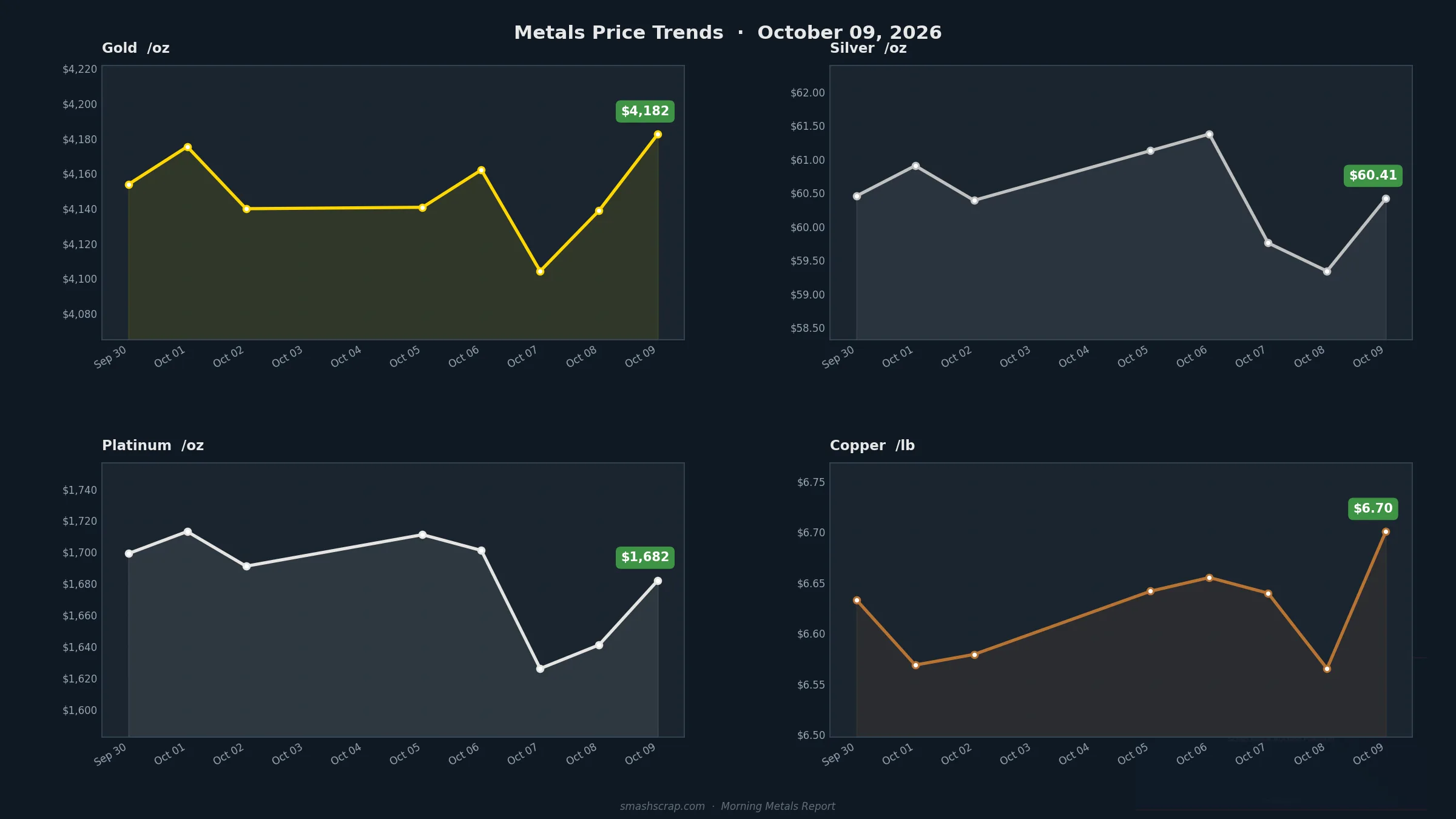
In scrap metal recycling across Kitchener and Southern Ontario, the grades that tend to move the most volume — non-ferrous loads like bare bright copper, #1 and #2 copper, aluminum extrusion, cast aluminum, and catalytic converters — are also the grades where documentation gaps cost the most money. Copper scrap prices and aluminum recycling prices per pound fluctuate, but the spread between a documented load and an undocumented one doesn't.
On cats specifically: a vetted buyer bidding on a documented lot of catalytic converters — serial tracked, photo verified, with counts confirmed — will consistently outbid a cold-call buyer working from a verbal description. Platinum price, palladium price, and rhodium price all move independently. When buyers can verify what they're getting, they price the material accurately. When they can't, they price in the risk. You pay for that uncertainty.
What solid load documentation includes:
- Weight and grade — certified scale tickets where applicable
- Photos — multiple angles, including any visible contamination or mixed material
- Count or lot size — especially critical for cores, cats, and high-value non-ferrous
- Serial tracking — for catalytic converters, this is becoming standard practice and aligns with provincial compliance expectations
- Packing list — itemized breakdown that matches what's on the truck
Organizations like the Ontario Automotive Recyclers Association (OARA) and the Automotive Recyclers of Canada (ARC) have long emphasized documentation standards as part of responsible automotive recycling. For yards handling end-of-life vehicles in Kitchener, following those standards isn't just good practice — it protects you when a transaction gets disputed.
How a Scrap Metal Auction Platform Changes Logistics Coordination
The old way of booking a pickup: call your buyer, agree on a price, hope the truck shows up Thursday, figure out the paperwork when it gets there. The new way runs the process in reverse — document first, sell competitively, then coordinate logistics with a buyer who already knows exactly what they're getting.
That's the model behind the explore SMASH Recycling's auction platform approach. Loads are listed with full documentation before the auction opens. Vetted buyers across North America bid on what they can see and verify. When the auction closes, logistics coordination starts from a clean baseline — not from a handshake and a verbal.
For scrap car recycling Kitchener yards and processors across Ontario, this matters because it removes the logistics friction that usually falls on the seller. Auto-invoicing handles the paper trail. The buyer already accepted the load spec. Disputed weights and rejected grades drop significantly when both parties are working from the same documented record going into the transaction.
SMASH also gives sellers access to vetted buyers — not random contacts, not cold inbound inquiries. Buyers on the platform are verified and accountable. That accountability changes how pickup scheduling and load handoffs work. A buyer who's on the hook for a competitive bid has every incentive to show up on time and process the load as documented.
Scrap Metal Logistics in Kitchener: What Local Yards Need to Know
Kitchener sits in the middle of one of the most active recycling corridors in Ontario. The Region of Waterloo generates significant volumes of both ferrous and non-ferrous material — industrial scrap from manufacturing, automotive dismantling, and construction demo all move through this area. That volume is an advantage, but only if you have the buyer network and logistics infrastructure to move it efficiently.
Local yards dealing in Kitchener scrap metal services know the challenge: you're close enough to major processors in the GTA that shipping costs can be competitive, but you're also competing with yards across Ontario for the same buyer attention. Differentiation comes down to reliability — reliable documentation, reliable load specs, reliable pickup coordination.
For high-value material like catalytic converters, copper, and aluminum, the logistics math gets more specific. Smaller loads may not justify dedicated trucking unless you're aggregating with other material. Knowing your per-pound breakeven on freight versus the uplift from competitive bidding is part of running the business well. That's where real-time market context — scrap metal prices today, catalytic converter prices today, copper scrap prices, aluminum recycling prices per pound — has to be part of your logistics decision-making, not an afterthought.
Yards operating in Kitchener and the broader Ontario market should also be aware of provincial compliance requirements around automotive recycling. OARA and ARC standards for documentation and vehicle processing aren't just industry best practice — they establish the baseline that serious buyers expect. Falling short on that front limits the buyer pool available to you.
Getting Paid Right: Auto-Invoicing, GST/HST, and Clean Transactions
Logistics doesn't end when the truck leaves your yard. The back-end of a B2B scrap transaction — invoicing, tax documentation, payment reconciliation — is where a lot of yards still lose time and occasionally money. Manual invoicing with inconsistent line items, missing GST/HST documentation, and mismatched weights between your scale ticket and the buyer's ticket are all friction points that slow payment and create disputes.
A proper B2B scrap metal marketplace handles this systematically. Auto-invoicing generates documentation that matches the auction record — load spec, agreed price, weights, and applicable GST/HST handling. The paper trail is clean from listing to payment. That's not a convenience feature. For yards doing volume, it's the difference between getting paid in a few days and chasing an invoice for three weeks.
When you sell your scrap metal on the SMASH marketplace, the transaction process is built to reduce that back-end friction. The platform handles invoicing systematically, so both seller and buyer are working from the same record. No surprise deductions. No disputed line items. The load is what it was documented to be, and the invoice reflects that.
There are no subscription fees on SMASH. The model is straightforward: we only earn when the seller completes a transaction. That alignment matters — the platform has a direct interest in making sure your load sells and the logistics close cleanly.
Ready to Move Loads Without the Logistics Headaches?
The scrap metal market in Ontario isn't getting simpler. Buyer consolidation, price volatility in platinum, palladium, rhodium, and copper, and increasing compliance requirements around automotive recycling all add pressure on margins. The yards that manage that pressure well are the ones with clean documentation habits, competitive buyer access, and logistics processes that don't bleed time and money.
If you're still running loads through a single buyer on a handshake, you're leaving price discovery on the table and absorbing logistics risk you don't need to carry. Join Canada's B2B scrap marketplace on SMASH Recycling and see what competitive, transparent auctions actually do for your operation. For more on how the industry is evolving, read the latest from SMASH Recycling.
Register at smashrecycling.ca and get your first load in front of vetted buyers who bid on what they can see — no guessing, no one-call pricing, no surprises at the dock.
Frequently Asked Questions
Q: How does logistics work when I sell scrap metal through an auction platform?
When you list a load on an auction platform like SMASH, documentation — photos, weights, grade, and packing list — is established before the auction opens. Once the auction closes, the winning buyer coordinates pickup based on the agreed load spec. Because both parties are working from the same documented record, pickup scheduling and weight reconciliation are significantly cleaner than traditional single-buyer arrangements.
Q: What documentation do I need for scrap metal recycling in Kitchener?
At minimum, you need certified scale tickets, clear photos of the load, a packing list, and a bill of lading for transport. For catalytic converters, serial tracking is increasingly expected by buyers and aligns with OARA and ARC standards for auto recyclers in Ontario. Solid documentation protects you from disputed grades and weight disagreements after the fact.
Q: Does SMASH handle GST/HST documentation for Canadian scrap transactions?
Yes. SMASH's auto-invoicing is built to handle GST/HST documentation as part of the transaction record. This removes the manual invoicing friction that causes payment delays and disputes in many B2B scrap deals. Both seller and buyer work from the same platform-generated invoice.
Q: How do scrap metal prices today affect shipping and logistics decisions for Kitchener yards?
Current scrap metal prices — including copper scrap prices, aluminum recycling prices per pound, and catalytic converter values tied to platinum, palladium, and rhodium — directly affect whether a load justifies dedicated trucking or consolidation. When non-ferrous prices are strong, even smaller loads can absorb freight costs. When prices compress, load aggregation and efficient buyer access matter more. Monitoring current market rates before booking logistics is standard practice for experienced yards.
Q: Are there specific compliance requirements for scrap car recycling in Kitchener and Ontario?
Yes. Automotive recyclers in Ontario operate under provincial regulations governing end-of-life vehicle processing, and industry organizations like OARA and ARC provide standards and guidance for responsible dismantling and documentation. Yards handling vehicles in Kitchener should be familiar with both provincial requirements and buyer-side documentation expectations, particularly for high-value components like catalytic converters and powertrain cores.
Follow SMASH on LinkedIn for ongoing scrap metal market insights, Canadian industry updates, and platform news.