Kamloops Market Values: Scrap Metal Recycling Profits
Understanding Market Values for Scrap Metal Recycling Kamloops Operations
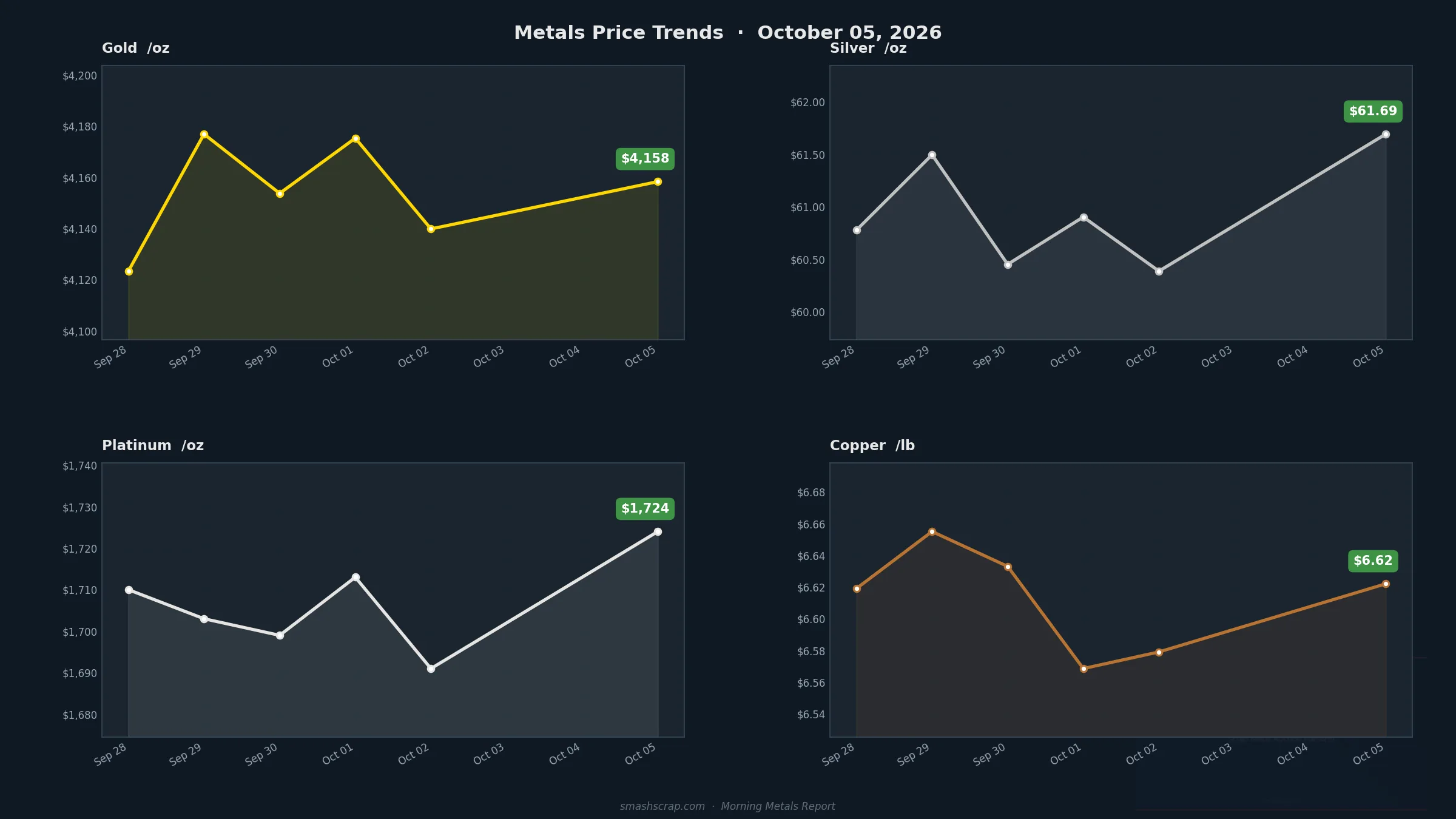
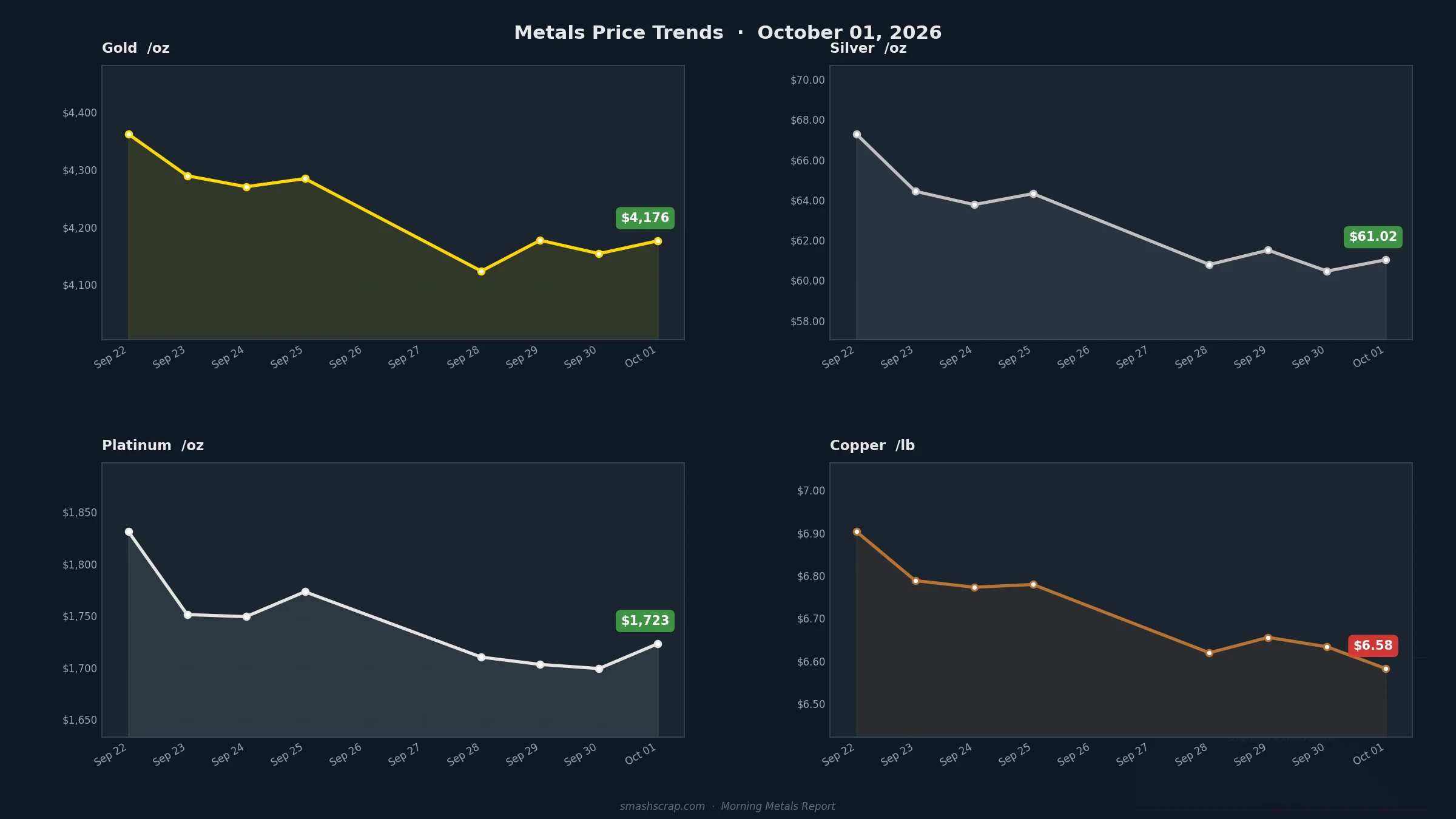
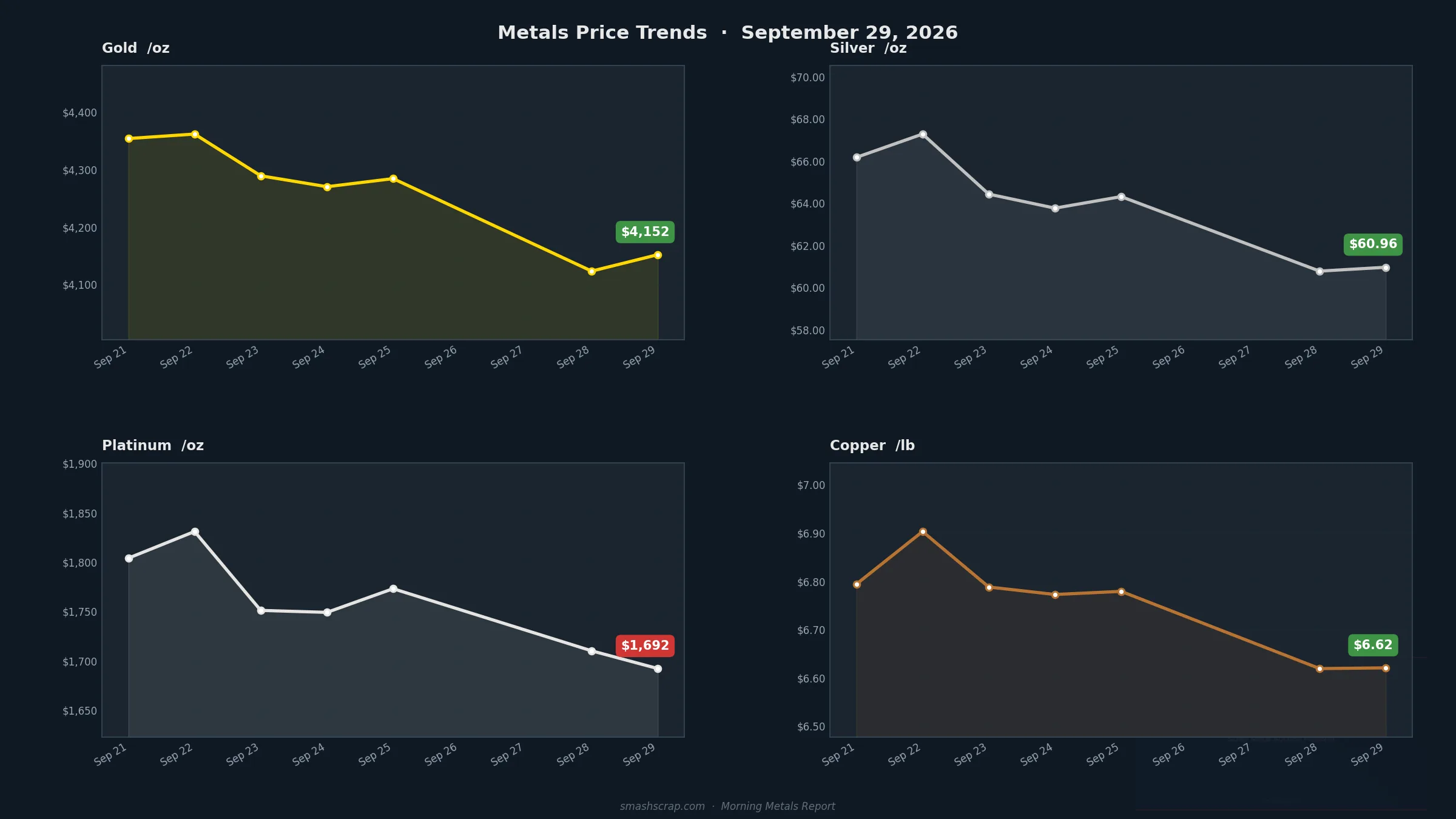
The scrap metal market in Kamloops presents unique opportunities for businesses looking to maximize their recycling revenues in 2026. Understanding current market dynamics helps recyclers make informed decisions about when and how to sell their materials. Copper prices remain strong at approximately $4.20-4.60 per pound, while aluminum continues to trade around $0.85-1.10 per pound depending on grade and contamination levels.
Successful scrap metal recycling in Kamloops requires more than just collecting materials. Smart recyclers focus on timing, preparation, and choosing the right selling platform. The difference between a casual approach and strategic planning can mean thousands of dollars in additional revenue annually.
Local Kamloops operations benefit from proximity to major transportation routes and processing facilities throughout British Columbia. This geographic advantage, combined with proper preparation techniques, creates significant value opportunities for both small recycling yards and large industrial operations.
Modern B2B marketplaces have transformed how Canadian recyclers connect with buyers. Platforms like SMASH create transparent auction environments where multiple buyers compete for your materials, driving prices higher than traditional single-buyer arrangements.
Sorting and Grading Techniques That Increase Scrap Value
Proper sorting represents the foundation of profitable scrap metal recycling Kamloops businesses. Mixed loads typically receive the lowest price per pound, while clean, separated materials command premium rates. Copper #1 bright and shiny can fetch 15-25% higher prices than mixed copper grades.
Aluminum separation proves equally critical. Clean aluminum cans, extrusions, and sheet materials sell for significantly more than contaminated or mixed aluminum lots. Remove steel attachments, plastic components, and other foreign materials before processing.
Steel grading requires attention to thickness, cleanliness, and size specifications. Heavy melt steel (HMS) grades 1 and 2 have distinct pricing structures. HMS #1 consists of steel plates and structural materials at least 1/4 inch thick, while HMS #2 includes thinner materials down to 1/8 inch thickness.
Catalytic converter auction opportunities require careful identification and documentation. Different vehicle makes, models, and years contain varying precious metal concentrations. Serial numbers and original equipment manufacturer (OEM) markings help determine authentic value through explore SMASH Recycling's auction platform systems.
Timing Your Sales for Maximum Profit in the Canadian Market
Market timing significantly impacts scrap metal recycling revenues across British Columbia. Copper prices typically strengthen during spring construction seasons as infrastructure projects increase demand. Industrial buyers often stock up during Q2 and Q3, creating favorable selling conditions for recyclers.
Seasonal patterns affect different materials uniquely. Aluminum beverage can prices often peak during summer months due to increased consumption and collection volumes. Steel prices may fluctuate based on construction activity and automotive production cycles.
Weekly price monitoring helps identify optimal selling windows. Tuesday through Thursday often see the most active trading, while Friday afternoon and Monday morning markets can be slower. Tracking price trends over 30-60 day periods reveals longer-term opportunities.
Economic indicators provide valuable insights for timing decisions. Manufacturing activity reports, construction spending data, and commodity futures markets all influence scrap metal demand. Smart Kamloops recyclers monitor these indicators to anticipate market movements.
Auction platforms allow recyclers to capitalize on competitive bidding environments. Rather than accepting posted prices from single buyers, the SMASH scrap metal auction marketplace enables multiple buyers to compete for your materials simultaneously.
Building Relationships with Premium Buyers Through Digital Platforms
Traditional scrap metal sales often involve limited buyer options and posted pricing structures. Modern B2B marketplaces expand your buyer network exponentially, connecting Kamloops recyclers with processors across Canada and beyond.
Digital platforms provide transparency that benefits both sellers and buyers. Real-time pricing information, auction histories, and buyer ratings create informed decision-making environments. Sellers can track market performance and identify consistently competitive buyers.
Volume aggregation through online platforms helps smaller recyclers achieve better pricing. Combining loads from multiple sellers creates larger lots that attract premium buyers who might not engage with individual small-scale operations.
Professional presentation matters significantly in digital marketplaces. High-quality photos, accurate weight estimates, and detailed material descriptions attract serious buyers willing to pay competitive prices. Include information about contamination levels, processing requirements, and pickup logistics.
Building your reputation within the platform community leads to repeat business and preferential treatment from top buyers. Reliable delivery schedules, accurate material descriptions, and professional communication establish trust that translates into better pricing over time.
Leveraging Technology for Efficient Scrap Car Recycling Kamloops Operations
Scrap car recycling Kamloops operations benefit significantly from modern dismantling and processing technologies. Proper fluid removal, parts harvesting, and material separation maximize revenue from each vehicle.
Catalytic converter recovery requires specialized knowledge and equipment. Different vehicle types contain varying precious metal concentrations, with diesel catalysts often containing higher rhodium levels than gasoline units. Proper documentation and authentication prevent theft-related complications.
Automotive recyclers throughout Canada increasingly rely on inventory management systems that track parts, materials, and market values in real-time. These systems help identify the most profitable dismantling approaches for different vehicle types and conditions.
Digital photography and detailed descriptions enable remote buyers to assess materials accurately. This capability expands your potential buyer base beyond local Kamloops markets to include processors throughout British Columbia and other provinces.
The Automotive Recyclers of Canada (ARC) provides valuable resources for implementing best practices in vehicle processing and environmental compliance. Following ARC guidelines ensures operations meet current regulatory requirements while maximizing material recovery rates.
Integration with auction platforms streamlines the selling process from initial processing through final payment. join Canada's B2B scrap marketplace on SMASH Recycling to access these advanced selling tools and connect with verified buyers across the country.
Compliance and Documentation Best Practices
Proper documentation protects your business while ensuring compliance with Canadian regulations. Maintain detailed records of material sources, weights, and transaction histories. This documentation proves essential for tax reporting and regulatory compliance.
Theft prevention measures require careful attention to material sourcing and documentation. Verify seller identities, maintain transaction records, and report suspicious activities to appropriate authorities. Legitimate buyers prefer working with recyclers who maintain high compliance standards.
Environmental regulations continue evolving in 2026. Stay current with provincial and federal requirements for fluid handling, soil protection, and emissions control. The Ontario Automotive Recyclers Association (OARA) provides excellent resources for understanding current regulatory requirements, even for operations outside Ontario.
Quality control processes ensure materials meet buyer specifications and command premium prices. Regular testing for contamination levels, alloy compositions, and processing requirements helps avoid price deductions and rejected loads.
Insurance coverage protects against liability issues related to material handling, transportation, and processing activities. Work with insurance providers who understand the recycling industry's unique risks and requirements.
Success in today's competitive scrap metal market requires combining traditional industry knowledge with modern technology and marketing approaches. read the latest from SMASH Recycling for ongoing insights into market trends, pricing strategies, and industry developments.
Maximizing scrap metal values demands strategic thinking, proper preparation, and access to competitive markets. Whether you're processing catalytic converters, sorting copper grades, or managing complete vehicle recycling operations in Kamloops, the right approach can significantly impact your bottom line. Join Canada's B2B scrap marketplace — register at smashrecycling.ca to access transparent auctions, verified buyers, and the tools needed to optimize your recycling revenues.
Frequently Asked Questions
Q: What are the current scrap metal prices in Kamloops for 2026?
Copper trades around $4.20-4.60 per pound, aluminum ranges from $0.85-1.10 per pound, and steel prices vary by grade. Prices fluctuate based on global markets, local demand, and material quality. Check current rates with local dealers or online auction platforms for the most accurate pricing.
Q: How do I find the best scrap metal recycling depot near me in Kamloops?
Research local recycling facilities by comparing their accepted materials, pricing structures, and payment terms. Online B2B marketplaces often provide better pricing through competitive bidding. Consider factors like proximity, processing capabilities, and buyer reputation when choosing where to sell your materials.
Q: What makes catalytic converter auctions more profitable than direct sales?
Auction platforms create competitive bidding environments where multiple buyers compete for your catalytic converters simultaneously. This competition typically drives prices 10-20% higher than single-buyer scenarios. Proper authentication and documentation are essential for maximizing auction values.
Q: How much preparation time should I invest in sorting scrap materials?
Investment in proper sorting typically pays for itself through higher per-pound prices. Clean, separated materials can command 15-30% premiums over mixed loads. The time required depends on material volumes and contamination levels, but most recyclers find sorting pays significant dividends.
Q: Are there specific regulations for scrap metal recycling in British Columbia?
Yes, British Columbia maintains specific regulations for metal recycling including documentation requirements, theft prevention measures, and environmental compliance standards. Stay current with provincial guidelines and maintain proper records for all transactions. Consider joining industry associations for ongoing regulatory updates.
Stay connected with industry developments and market insights by following SMASH on LinkedIn at https://www.linkedin.com/company/scrap-metal-auction-sales-hub for the latest updates on scrap metal markets and auction opportunities.