Halifax Metal Recycling Prices: Boost B2B Auction Bids
Canadian scrap metal sellers lose an estimated 15-20% of potential revenue when buyers can't verify material quality before bidding. In 2026's competitive B2B marketplace, photo verification has become the cornerstone of transparent metal recycling prices Canada wide, eliminating guesswork and building the trust essential for successful online auctions.
Traditional scrap metal transactions relied on handshake deals and in-person inspections. Today's digital marketplace demands a different approach. Photo verification transforms how sellers present their materials and how buyers evaluate worth, creating a foundation for fair pricing across Canada's recycling industry.
The Trust Gap in Online Scrap Metal Trading
Buyers purchasing sight-unseen face significant risks. That mixed copper load could contain contaminated materials. The catalytic converter batch might include damaged units with lower precious metal content. Without proper verification, buyers often bid conservatively, reducing seller profits by 10-25%.
Photo verification bridges this gap by providing visual evidence of material quality, quantity, and condition. Professional recyclers in Halifax and across Nova Scotia now expect detailed imagery before committing to significant purchases. This transparency benefits both sides of the transaction.
The stakes are particularly high for high-value materials. Catalytic converter auctions require clear photos showing part numbers, condition, and any damage that might affect precious metal recovery. Copper sellers need images that distinguish between #1 bright copper and lower-grade materials. Without this visual proof, buyers protect themselves with lower bids.
Platforms like join Canada's B2B scrap marketplace on SMASH Recycling have recognized this need, implementing comprehensive photo requirements that protect both buyers and sellers while maximizing market value.
How Quality Photos Impact Metal Recycling Prices Canada
Clear, detailed photographs directly influence bidding behavior and final sale prices. Sellers who provide comprehensive visual documentation typically receive 15-30% higher bids compared to those with poor or limited photos. This price premium reflects buyer confidence in material quality and reduces the risk discount built into conservative bids.
Professional recyclers understand the correlation between photo quality and sale prices. A well-documented aluminum lot showing clean separation, minimal contamination, and accurate weights attracts competitive bidding. Poor photos create uncertainty, leading buyers to assume worst-case scenarios when calculating their offers.
The impact varies by material type. High-grade copper requires photos showing clean, bright surfaces free from corrosion or attachment materials. Aluminum recycling Halifax operations depend on images that clearly distinguish between different alloys and contamination levels. Auto salvage canada buyers need detailed shots of automotive components showing condition and completeness.
Geographic factors also influence photo importance. Remote sellers in Nova Scotia benefit significantly from quality imagery, as buyers can't easily inspect materials in person. This visual verification becomes the primary tool for establishing trust and justifying competitive bids across distance.
Essential Photo Standards for Scrap Metal Auctions
Effective photo verification follows specific standards that maximize buyer confidence and seller returns. Multiple angles provide comprehensive material assessment, while close-up shots reveal quality details that influence pricing. Wide shots establish quantity and scale, giving buyers complete context for their bidding decisions.
Lighting plays a crucial role in accurate representation. Natural daylight or bright LED lighting reveals true material colors and surface conditions. Shadows and poor lighting hide contamination, damage, or quality indicators that buyers need to evaluate. Professional sellers invest in proper lighting equipment to showcase their materials effectively.
Material-specific requirements enhance verification accuracy:
- Copper scrap: Close-ups showing surface cleanliness, wire gauge consistency, and absence of other metals or insulation
- Catalytic converters: Clear part number visibility, honeycomb condition, and housing integrity documentation
- Aluminum: Alloy identification markers, contamination levels, and separation quality demonstration
- Automotive parts: Component completeness, wear patterns, and core condition for pro auto recyclers canada operations
Scale references in photos help buyers estimate quantities and weights. Including measuring tools, coins, or hands provides size context that written descriptions often miss. This visual scale verification reduces disputes and builds confidence in lot descriptions.
Technology Behind Modern Photo Verification Systems
Advanced photo verification systems employ multiple technologies to ensure authenticity and accuracy. Metadata analysis confirms photo timing and location, preventing sellers from using outdated or misleading images. This technical verification layer adds credibility to visual documentation.
Image analysis algorithms can detect photo manipulation, ensuring buyers see actual material conditions rather than enhanced or altered representations. Some platforms implement automatic quality scoring, flagging photos that don't meet minimum standards for clarity, lighting, or detail level.
Mobile integration streamlines the verification process for sellers. Professional apps guide users through proper photo sequences, ensuring all required angles and details are captured. GPS integration confirms lot locations, particularly valuable for large industrial sellers managing multiple sites across Nova Scotia.
When sellers explore SMASH Recycling's auction platform, they encounter sophisticated verification tools designed to maximize material value through comprehensive documentation. These systems balance ease of use with thorough verification requirements.
Building Buyer Confidence Through Visual Documentation
Buyer confidence directly correlates with bidding activity and final sale prices. Comprehensive photo documentation reduces perceived risk, encouraging more aggressive bidding from qualified buyers. This increased competition naturally drives prices higher, benefiting sellers who invest time in proper material presentation.
Professional buyers develop trust relationships with sellers who consistently provide accurate visual documentation. These established relationships lead to premium pricing over time, as buyers know they can rely on photo accuracy for purchasing decisions. Reputation becomes a valuable asset in the B2B scrap marketplace.
Visual documentation also enables faster transaction processing. Buyers who trust photo verification can make quicker decisions, reducing auction duration and increasing seller cash flow. This efficiency particularly benefits aluminum recycling Halifax operations managing regular material flows.
Detailed photos reduce post-sale disputes by establishing clear expectations upfront. When buyers receive materials matching photo documentation, satisfaction levels increase, leading to continued participation and competitive bidding in future auctions.
Regional Impact on Halifax and Nova Scotia Markets
Halifax's strategic location as Atlantic Canada's industrial hub makes photo verification particularly valuable for regional scrap metal markets. Local recyclers serve diverse industries from automotive to marine, requiring detailed visual assessment capabilities for varied material streams.
Nova Scotia's resource-based economy generates significant scrap metal volumes from mining, forestry, and offshore operations. Photo verification enables efficient marketing of these materials to buyers across Canada, expanding market reach beyond local processors. This broader market access typically improves pricing by 10-20% compared to local-only sales.
Remote locations throughout the province benefit significantly from visual verification systems. Sellers in rural Nova Scotia can access national buyers through detailed photo documentation, eliminating geographic disadvantages that historically limited their market options.
The region's established automotive recycling sector, supported by organizations like the Automotive Recyclers of Canada (ARC), has embraced photo verification as a standard practice. This adoption demonstrates the technology's practical value for sell scrap metal online operations across Atlantic Canada.
To stay current with evolving verification standards and market trends, industry professionals regularly read the latest from SMASH Recycling for insights into best practices and technology developments.
Future Trends in Scrap Metal Photo Verification
Emerging technologies promise even more sophisticated verification capabilities. Artificial intelligence integration will enable automated material identification and quality scoring, reducing manual inspection time while improving accuracy. Machine learning algorithms will analyze vast databases of material photos to provide instant quality assessments and price estimates.
Augmented reality applications may allow buyers to virtually inspect materials before bidding, creating immersive verification experiences that exceed traditional photo capabilities. These technologies particularly benefit high-value transactions where detailed inspection justifies advanced verification methods.
Blockchain integration could provide immutable verification records, creating permanent documentation trails that enhance trust and accountability. This technology appeals to institutional buyers requiring comprehensive audit trails for compliance and quality assurance purposes.
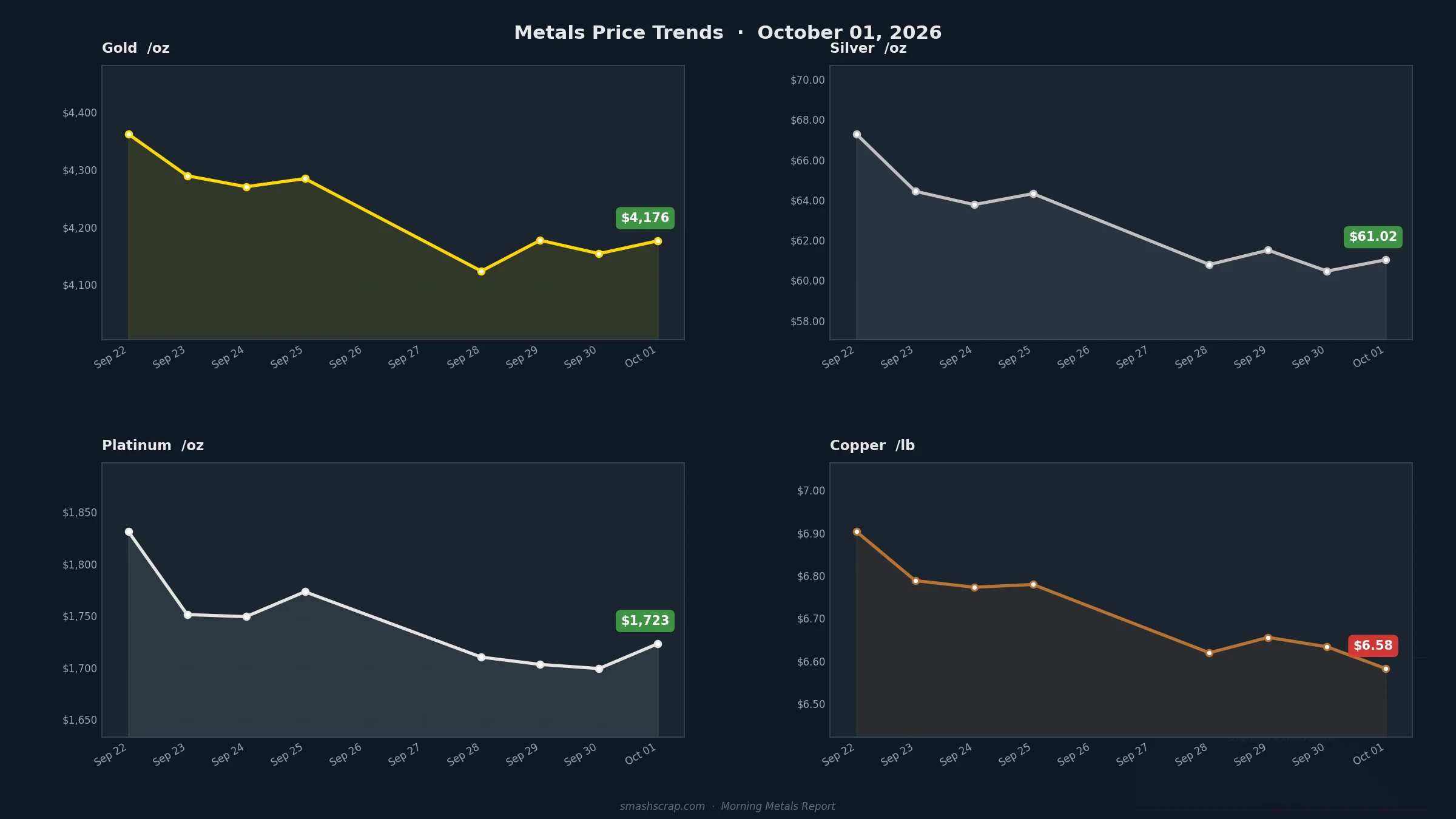
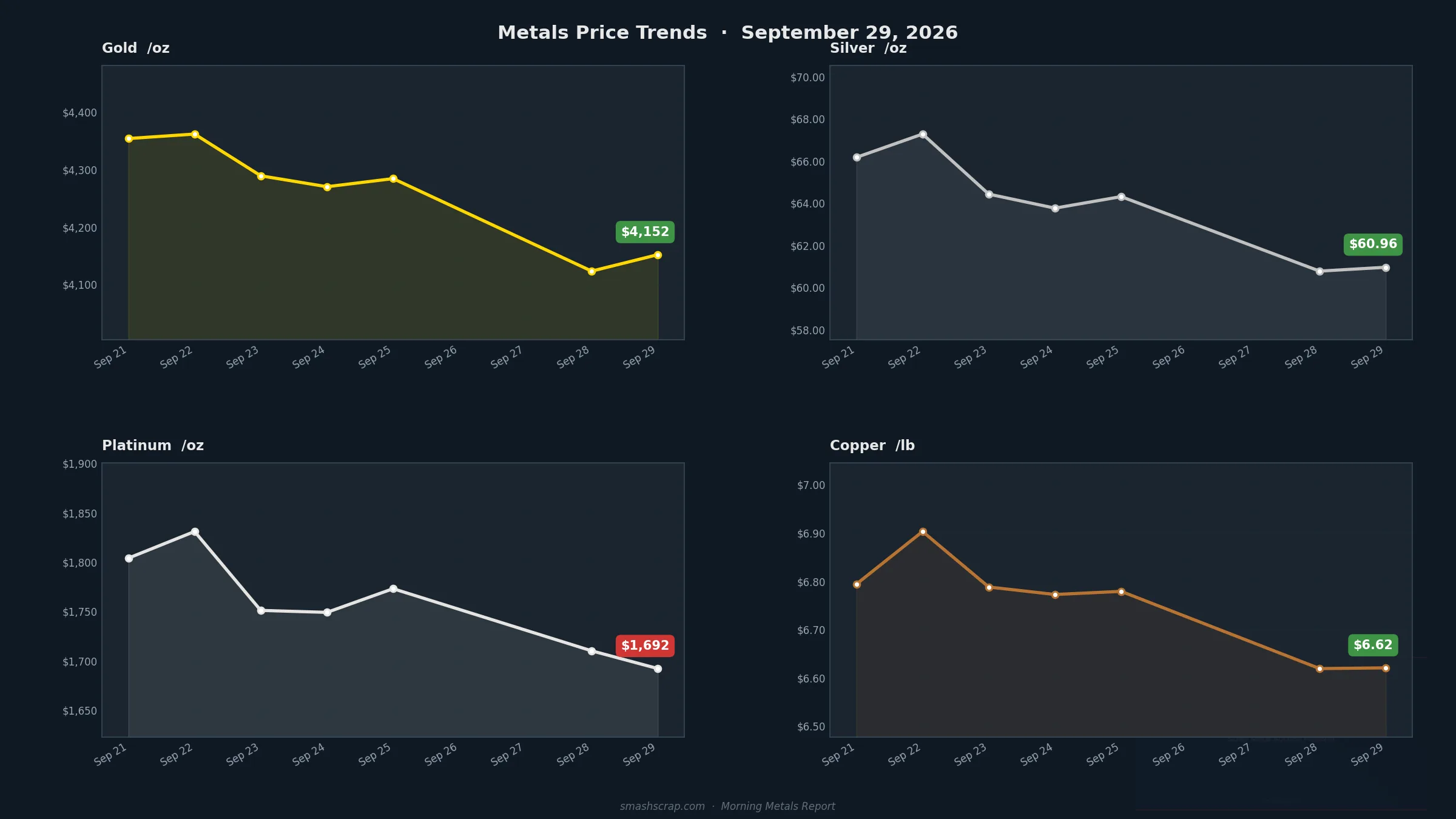
As metal recycling prices Nova Scotia and nationwide continue evolving with market conditions, photo verification systems will adapt to capture relevant quality indicators and market signals. Integration with SMASH Scrap — where verified buyers bid on your metal demonstrates how verification technology connects directly with auction platforms for seamless trading experiences.
Frequently Asked Questions
Q: How do photo verification requirements affect metal recycling prices Canada wide?
Photo verification typically increases sale prices by 15-30% by building buyer confidence and encouraging competitive bidding. Sellers who provide comprehensive visual documentation consistently achieve higher returns compared to those with poor or limited photos. This price premium reflects reduced buyer risk and increased market competition.
Q: What photo standards should aluminum recycling Halifax operations follow?
Halifax aluminum sellers should provide multiple angles showing material cleanliness, alloy consistency, and contamination levels. Include close-ups revealing surface quality, wide shots establishing quantity, and scale references for size context. Proper lighting is essential to accurately represent material conditions and maximize buyer confidence.
Q: Can photo verification help sell scrap metal online to buyers across Canada?
Yes, comprehensive photo documentation enables sellers to access national markets by providing remote buyers with detailed material assessment capabilities. This expanded market reach typically improves pricing by 10-20% compared to local-only sales, particularly benefiting sellers in remote locations who can now compete nationally.
Q: How does photo verification impact auto salvage canada operations?
Auto salvage operations benefit from photo verification by documenting component completeness, condition, and core quality for remote buyers. Detailed images of automotive parts, catalytic converters, and metal components enable accurate pricing and reduce post-sale disputes. Professional documentation typically increases bidding activity and final sale prices.
Q: What role do organizations like ARC play in photo verification standards?
The Automotive Recyclers of Canada (ARC) promotes industry best practices including photo verification standards that ensure quality and transparency in automotive recycling transactions. Their guidelines help establish professional documentation requirements that benefit both buyers and sellers in the Canadian automotive recycling marketplace.
Photo verification has transformed Canada's B2B scrap metal marketplace by building the trust essential for transparent pricing and competitive bidding. As the industry continues embracing digital solutions, sellers who master visual documentation will capture maximum value from their materials while buyers gain confidence in remote purchasing decisions. Join Canada's B2B scrap marketplace — register at smashrecycling.ca to experience how professional photo verification can enhance your scrap metal trading success.
Stay connected with industry developments and market insights by following SMASH on LinkedIn at https://www.linkedin.com/company/scrap-metal-auction-sales-hub for the latest updates on scrap metal market trends and auction platform innovations.