Etobicoke Lot Auctions: 23% Higher Metal Returns
Ontario's scrap metal recyclers are discovering a powerful shift happening in the Canadian scrap metal market — lot-based auctions are generating up to 23% higher returns compared to traditional spot-price selling. This transformation affects everything from catalytic converter auction platforms to bulk copper sales, fundamentally changing how recyclers in Etobicoke and across Canada monetize their materials.
The difference between accepting today's spot price and waiting for competitive bidding can mean thousands of dollars in additional revenue. Smart recyclers are moving away from immediate spot-price transactions toward strategic auction-based selling that maximizes material value through competitive market forces.
Understanding Lot-Based Auction Mechanics in the Canadian Scrap Metal Market
Lot-based auctions group similar materials together, creating substantial volumes that attract serious buyers. Instead of selling individual catalytic converters or small amounts of copper wire, recyclers combine materials into attractive lots that generate competitive bidding wars.
This approach works particularly well for auto wreckers Canada-wide who accumulate diverse precious metal components over time. A typical catalytic converter lot might include 50-100 units from various vehicle types, creating enough volume to attract refineries, precious metal dealers, and international buyers who wouldn't participate in smaller transactions.
The timing element adds another advantage. Rather than selling immediately when materials arrive, recyclers can wait for optimal market conditions. When platinum, palladium, and rhodium prices surge, auction lots capture those peak valuations instead of settling for yesterday's lower spot prices.
Auction platforms like explore SMASH Recycling's auction platform facilitate this process by providing transparent bidding environments where multiple buyers compete simultaneously. This competition naturally drives prices higher than single-buyer spot transactions.
Competitive Bidding Versus Spot-Price Limitations
Spot-price selling operates on a take-it-or-leave-it basis. A buyer quotes today's market price, usually below actual trading levels to ensure their profit margin. Sellers have limited negotiation power and must accept current conditions regardless of material quality or market timing.
Competitive bidding flips this dynamic entirely. Multiple buyers evaluate the same lot, each trying to secure materials at their maximum acceptable price. This creates upward pressure that often exceeds spot prices by significant margins.
Consider catalytic converter pricing. A spot buyer might offer $180 for a specific converter based on today's platinum price. In an auction environment, three refineries bidding against each other might push that same converter to $215-230, especially if they need specific substrate types for their processing requirements.
The transparency factor cannot be overstated. Spot transactions happen behind closed doors with limited price visibility. Auctions provide complete transparency — sellers see exactly what buyers are willing to pay, creating confidence in final pricing. Platforms like the SMASH scrap metal auction marketplace exemplify this transparency by displaying all bidding activity in real-time.
Material Quality Premium Recognition Through Auctions
Premium materials often get averaged down in spot-price transactions. A buyer purchasing mixed copper might pay the same rate for clean #1 copper and lower-grade insulated wire, despite significant value differences.
Auctions allow quality recognition through detailed lot descriptions and photos. Buyers can identify high-grade materials and bid accordingly. Clean automotive wiring harnesses from Etobicoke auto dismantlers might command premium pricing when buyers can verify copper content and contamination levels.
This becomes crucial for e-waste recycling Etobicoke operations handling diverse electronic materials. Circuit boards with gold-plated connectors, silver-bearing contacts, and tantalum capacitors deserve premium pricing that spot buyers rarely provide. Auction environments let specialized e-waste processors bid appropriately for these valuable components.
Catalytic converters especially benefit from quality recognition. Original equipment manufacturer (OEM) converters contain higher precious metal loadings than aftermarket units. Auction buyers can differentiate between these categories and price accordingly, while spot buyers typically apply average pricing across all units.
Strategic Timing and Market Optimization Advantages
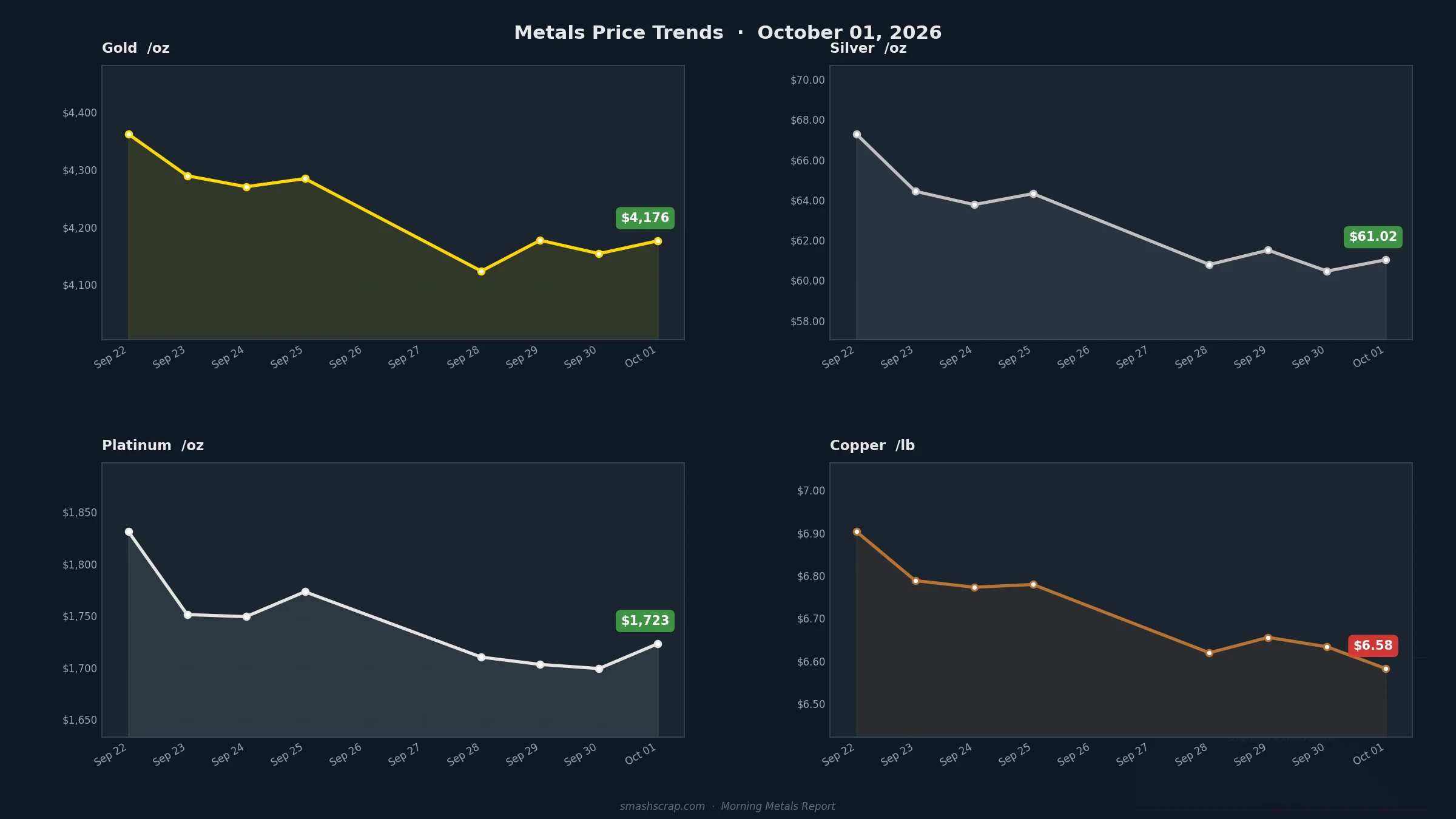
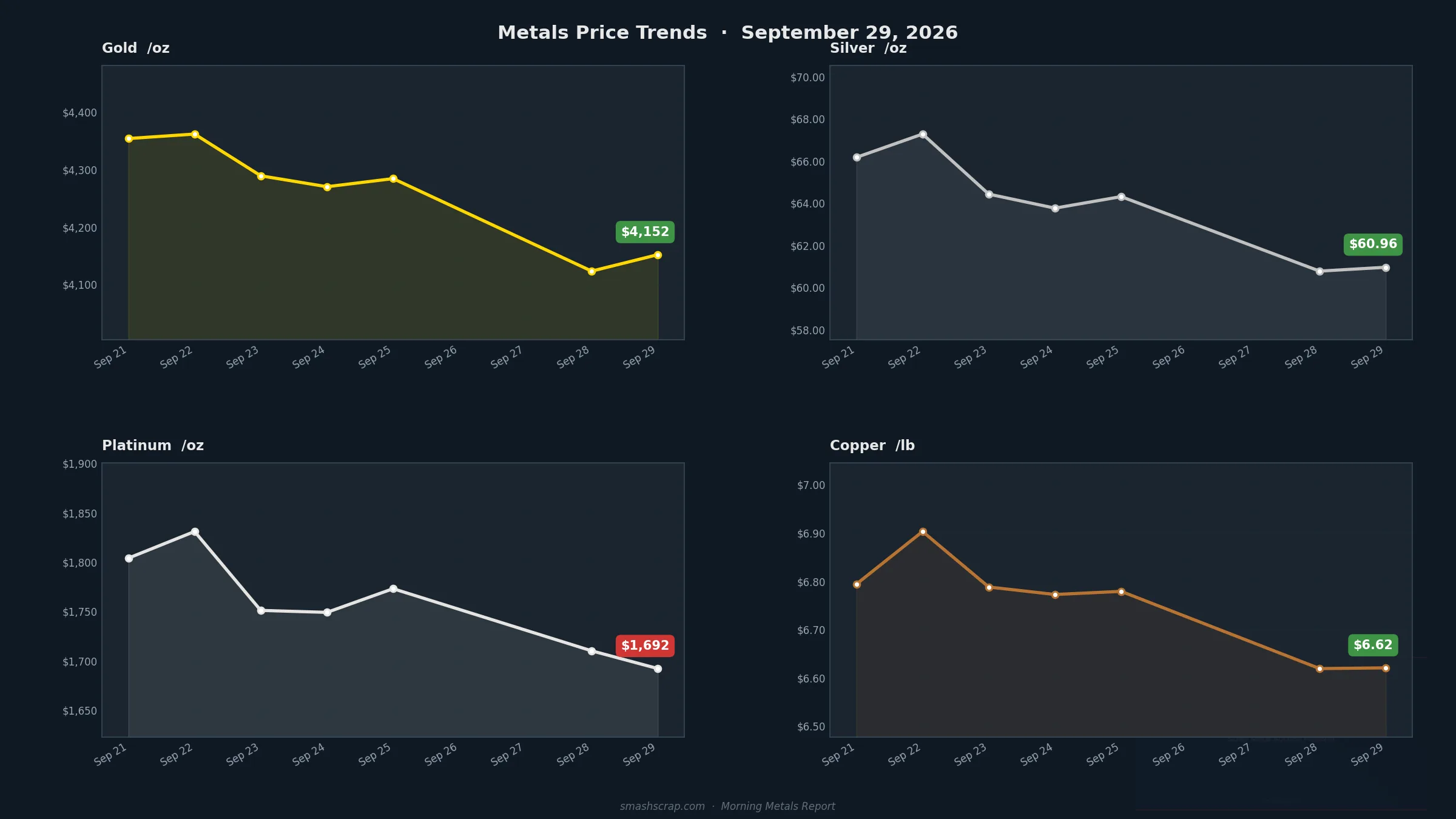
Timing becomes a strategic weapon in lot-based selling. Rather than accepting today's rhodium price, recyclers can monitor market trends and time their auctions for optimal conditions. Precious metal markets experience significant volatility — rhodium prices can swing 15-20% within weeks.
Smart auction timing requires market awareness. When automotive production increases, catalytic converter demand rises. When industrial applications expand, platinum and palladium prices strengthen. Recyclers who understand these cycles can optimize their auction timing for maximum returns.
Seasonal factors also influence pricing. Spring and summer months typically see increased construction activity, driving copper demand higher. Auto wreckers Canada-wide notice stronger demand for automotive materials during peak driving seasons when repair shops need more parts and materials.
The ability to wait for optimal conditions provides significant advantage over spot selling's immediate transaction requirement. However, this strategy requires working capital patience — materials sit in inventory longer before conversion to cash. Successful recyclers balance this timing advantage against cash flow needs.
Market intelligence becomes crucial for timing decisions. Read the latest from SMASH Recycling for current market insights and pricing trends that inform optimal auction timing strategies.
Volume Aggregation Benefits for Small-Scale Operators
Individual small recyclers often struggle to attract major buyers with their limited volumes. A single auto wrecker might generate 10-15 catalytic converters monthly — insufficient to interest large refineries that prefer container-load quantities.
Lot-based auctions solve this volume challenge through aggregation. Multiple small operators can combine materials into substantial lots that attract serious buyers. An Etobicoke recycling cooperative might pool catalytic converters from several local operators, creating lots large enough to generate competitive bidding.
This aggregation extends beyond catalytic converters. Small-scale copper recovery operations can combine their clean copper into marketable lots. E-waste recycling Etobicoke businesses can aggregate circuit boards, precious metal contacts, and rare earth magnets into specialized lots that command premium pricing.
The aggregation process requires coordination and trust among participants. Each contributor needs accurate material assessment and fair distribution of proceeds. Modern auction platforms facilitate this through detailed tracking systems and transparent settlement processes.
Volume benefits extend to logistics efficiency. Instead of multiple small shipments to different buyers, aggregated lots require fewer, larger shipments that reduce per-unit transportation costs. This efficiency improvement adds to overall profitability beyond the pricing advantages.
Technology Platform Advantages in Modern Scrap Metal Auctions
Digital auction platforms have revolutionized scrap metal recycling Ontario-wide by eliminating geographic limitations and expanding buyer networks. A recycler in Etobicoke can now attract buyers from Vancouver, Montreal, or international markets without leaving their facility.
Real-time bidding creates urgency that drives competitive pricing. Buyers see competing bids and must decide quickly whether to increase their offers. This psychological pressure often results in higher final prices than negotiated spot transactions.
Digital platforms also provide comprehensive documentation that supports regulatory compliance. Every transaction includes detailed records of material descriptions, weights, buyer information, and pricing. This documentation proves valuable for regulatory reporting and tax purposes.
The Ontario Automotive Recyclers Association (OARA) recognizes the importance of transparent transactions in maintaining industry credibility. Digital auction records provide the transparency that supports professional standards and regulatory compliance requirements.
Mobile accessibility allows busy recyclers to monitor auctions and manage lots from anywhere. Auto wreckers can check auction progress between vehicle inspections or while traveling to acquire new inventory. This flexibility maximizes participation opportunities without disrupting daily operations.
Photography and detailed descriptions help buyers make informed decisions remotely. High-quality images of catalytic converters, copper grades, or electronic components allow accurate assessment without physical inspection. This capability expands the potential buyer pool significantly.
When evaluating how much is copper to recycle, digital platforms provide current market data and recent auction results that inform pricing expectations. This transparency helps sellers set realistic reserve prices and buyers determine competitive bid levels.
The future of scrap metal recycling clearly favors auction-based selling over traditional spot transactions. The combination of competitive bidding, quality recognition, strategic timing, and digital platform efficiency creates compelling advantages for Canadian recyclers ready to embrace this evolution. Join Canada's B2B scrap marketplace on SMASH Recycling to experience these benefits firsthand and maximize your material values through competitive auction selling.
Frequently Asked Questions
Q: How much higher are auction prices compared to spot prices for catalytic converters?
Auction prices typically range 15-25% higher than spot prices for catalytic converters, with premium OEM units sometimes achieving 30%+ premiums. The exact difference depends on market conditions, lot size, and competition level among bidders in the Canadian scrap metal market.
Q: What minimum lot sizes work best for scrap metal auctions in Ontario?
Minimum effective lot sizes vary by material type. Catalytic converters perform well in 25-50 unit lots, while copper requires 500-1000 pounds minimum to attract serious buyers. E-waste recycling Etobicoke operations typically need 200+ pounds of circuit boards for competitive bidding.
Q: How long do typical scrap metal auctions run before closing?
Most scrap metal auctions run 5-7 days to allow adequate buyer discovery and bidding activity. Catalytic converter auctions sometimes extend to 10 days during peak market periods when buyer interest is particularly high across the Canadian scrap metal market.
Q: Can small auto wreckers in Etobicoke benefit from auction selling?
Absolutely. Small auto wreckers Canada-wide benefit through lot aggregation with other operators or by timing their individual auctions strategically. Even modest volumes can achieve premium pricing when marketed properly through professional auction platforms.
Q: What fees do auction platforms typically charge for scrap metal sales?
Auction platform fees generally range 3-8% of final sale prices, significantly less than the 15-25% price premiums that competitive bidding typically generates. The net benefit strongly favors auction selling over spot-price transactions for most recyclers in Ontario.
Ready to maximize your scrap metal values through competitive auction selling? Join Canada's B2B scrap marketplace — register at smashrecycling.ca to access transparent bidding, premium pricing, and a network of qualified buyers across the Canadian scrap metal market.
Follow SMASH on LinkedIn at https://www.linkedin.com/company/scrap-metal-auction-sales-hub for the latest industry updates and scrap metal market insights.
Disclaimer: Scrap metal prices fluctuate based on market conditions, material quality, and global commodity trends. Always verify current rates and market conditions before making selling decisions.