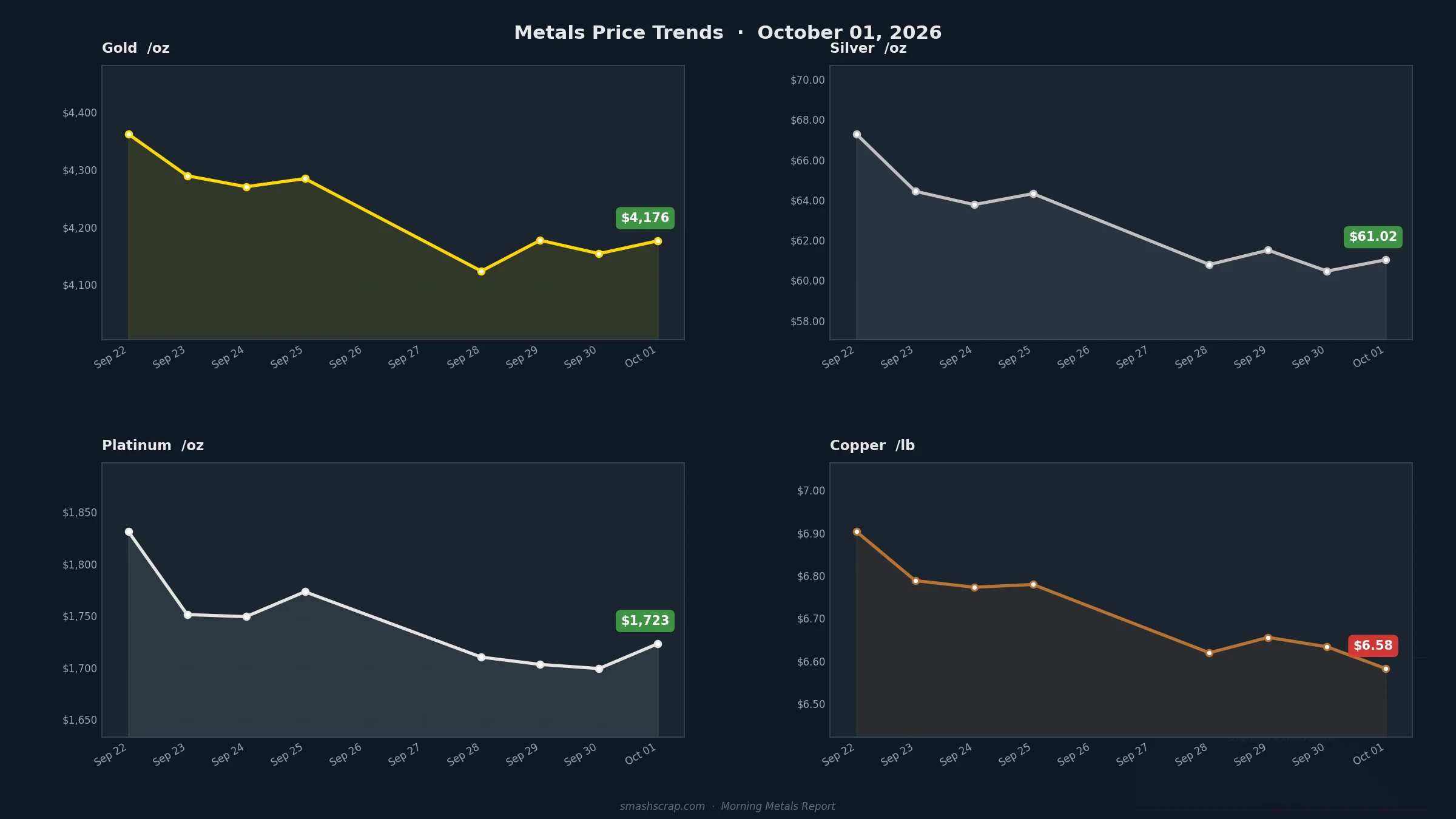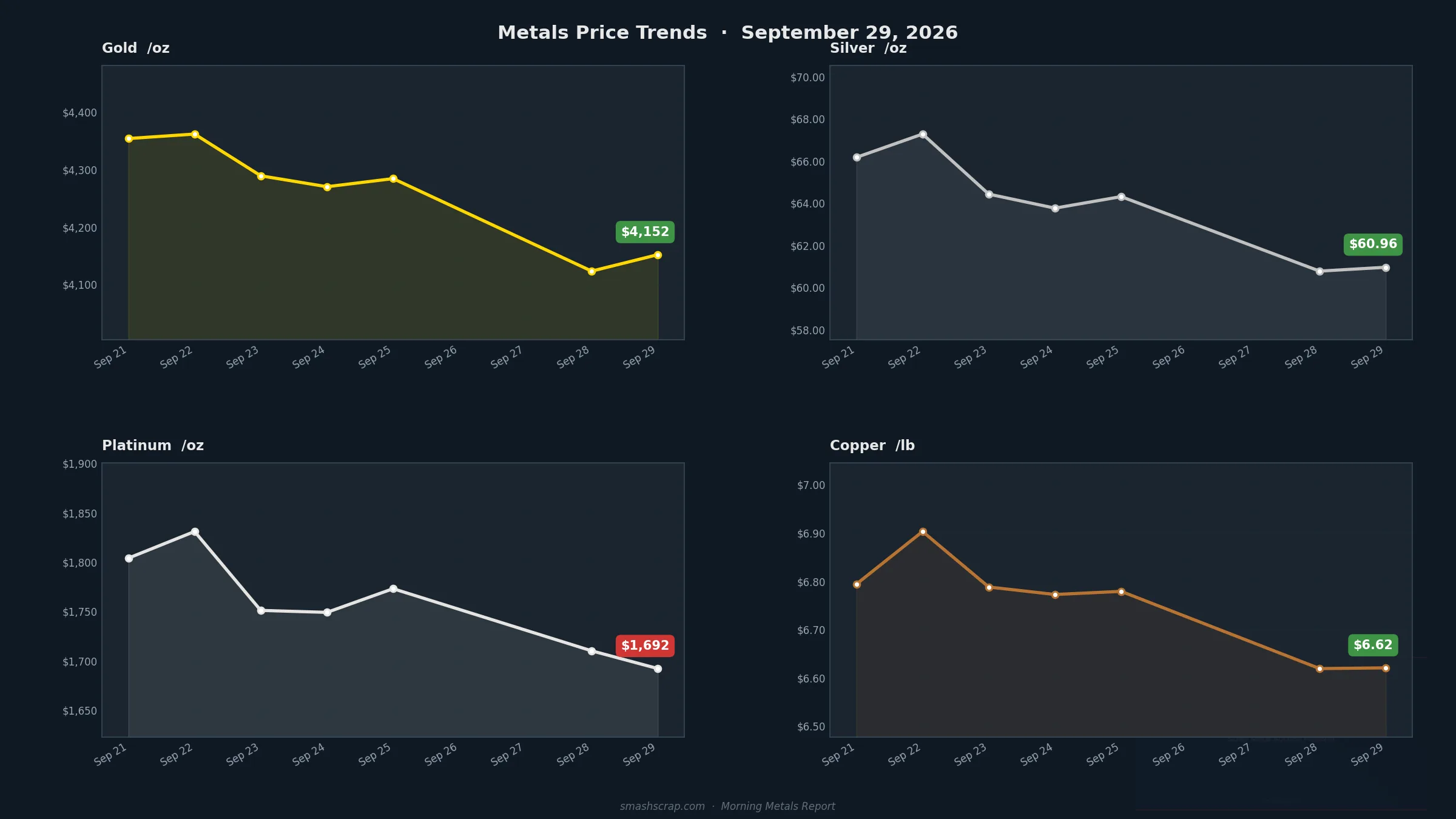

Chilliwack Metal Prices: Spring 2026 Recycling Surge
Canadian scrap dealers know the drill: winter hits, construction sites shut down, and metal recycling prices Canada take a nosedive. But here's what most don't realize — this seasonal pattern creates predictable profit opportunities for savvy recyclers who understand the timing. With spring construction ramping up across British Columbia and the rest of Canada in 2026, metal prices are following their familiar upward trajectory.
The relationship between Canadian winters and scrap metal markets runs deeper than simple supply and demand. Weather patterns, construction cycles, and industrial activity all converge to create price fluctuations that can mean the difference between breaking even and banking serious profits.
Winter's Impact on Canadian Scrap Metal Supply and Demand
Canadian winters create a perfect storm for scrap metal price volatility. Construction projects from Vancouver to Halifax slow to a crawl when temperatures drop below freezing. This seasonal shutdown doesn't just affect new construction — it dramatically reduces the flow of demolition scrap, structural steel, and copper wiring that feeds the recycling market.
Manufacturing facilities across Canada also scale back production during winter months. Automotive plants in Ontario reduce output, while mining operations in northern regions face weather-related delays. This dual impact — reduced scrap generation and lower industrial demand — creates the classic winter price dip that experienced recyclers anticipate.
Transportation costs spike during winter months, particularly in regions like Chilliwack where mountain passes can become treacherous. Shipping containers of scrap metal from British Columbia to overseas markets face delays and increased freight costs. These logistical challenges compound the seasonal price pressures, making winter the least favorable time to sell most types of scrap metal.
Smart recyclers use this knowledge strategically. They stockpile high-value materials during summer months when collection is easier, then release inventory during spring price recoveries. Platforms like SMASH make this timing strategy more effective by connecting sellers with verified buyers who understand seasonal market dynamics.
Aluminum Recycling Patterns in British Columbia Markets
Aluminum shows one of the most pronounced seasonal patterns in Canadian recycling markets. Winter aluminum prices typically drop 15-25% below summer peaks, driven by reduced beverage consumption and slower automotive production. For aluminum recycling Chilliwack operations, this creates both challenges and opportunities.
The Fraser Valley's proximity to Vancouver's shipping terminals makes it a strategic location for aluminum stockpiling during winter months. Recyclers in Chilliwack often accumulate aluminum cans, automotive parts, and construction materials when prices are suppressed, then capitalize on spring price rebounds when demand surges.
Beverage can recycling follows predictable seasonal trends. Summer festivals, camping season, and outdoor events across British Columbia generate massive volumes of aluminum cans. Winter consumption drops significantly, reducing both supply and processor demand. Experienced recyclers adjust their collection strategies accordingly, focusing on automotive aluminum and industrial scrap during colder months.
The key insight for aluminum recyclers: winter's price depression creates accumulation opportunities. Storage becomes crucial — dry, organized facilities that can handle volume without degradation. When spring construction resumes and manufacturing ramps up, that stockpiled aluminum becomes highly valuable inventory.
Catalytic Converter Market Dynamics Through Canadian Seasons
Catalytic converter recycling presents unique seasonal challenges that smart sellers navigate for maximum profit. Vehicle theft rates typically increase during winter months when cars are left running to warm up, creating supply spikes that can temporarily depress prices. However, the underlying precious metal values — platinum, palladium, and rhodium — follow global commodity trends that often overshadow seasonal patterns.
Winter weather affects catalytic converter condition significantly. Road salt, moisture, and temperature extremes can impact precious metal recovery rates. Processors adjust pricing accordingly, often offering lower rates for converters collected during winter months. This reality makes proper storage and timing crucial for maximizing returns.
The ability to sell catalytic converters online has revolutionized seasonal timing strategies. Instead of being limited to local buyers who might offer suppressed winter pricing, sellers can access broader markets through auction platforms. SMASH Scrap — where verified buyers bid on your metal enables sellers to find buyers who value quality materials regardless of seasonal market conditions.
Automotive recyclers across Ontario, represented by organizations like the Ontario Automotive Recyclers Association (OARA), report that strategic timing of catalytic converter sales can increase profits by 20-30%. The key lies in understanding both seasonal patterns and global precious metal trends that drive underlying values.
Regional Variations Across Canadian Provinces
Seasonal price impacts vary dramatically across Canada's diverse geography and industrial landscape. Prairie provinces experience the most extreme temperature swings, leading to pronounced seasonal patterns in metal recycling prices British Columbia and neighboring regions. Maritime provinces see more moderate fluctuations due to ocean-moderated temperatures and year-round shipping activity.
British Columbia's coastal climate creates unique market dynamics. While Vancouver and surrounding areas like Chilliwack experience milder winters than central Canada, the province's resource-based economy still follows seasonal patterns. Mining operations slow during winter months, reducing industrial scrap generation. However, the port of Vancouver maintains year-round export capacity, providing more stable pricing than landlocked regions.
Ontario's automotive sector drives significant seasonal variation in ferrous scrap prices. Winter production slowdowns at major auto plants affect steel demand, while spring model launches create price recovery. The Automotive Recyclers of Canada (ARC) tracks these patterns closely, providing guidance to members about optimal timing for various metal sales.
Regional infrastructure also affects seasonal pricing. Provinces with robust winter road maintenance and shipping networks experience less dramatic price swings. Recyclers need to understand their local logistics constraints and plan accordingly. explore SMASH Recycling's auction platform to connect with buyers who understand regional market dynamics and can offer competitive pricing regardless of location.
Strategic Timing for Maximum Scrap Metal Profits
Successful scrap metal recycling requires understanding seasonal timing beyond simple winter/summer patterns. Spring construction season typically begins in March across most of Canada, creating the year's strongest demand period for structural steel, copper, and aluminum. Smart recyclers position inventory for this surge by accumulating materials during winter's price depression.
Copper follows particularly predictable seasonal patterns. Winter prices often drop 10-20% below peak levels, while spring construction demand drives recovery. The key lies in storage capacity and cash flow management. Recyclers who can warehouse copper through winter months consistently outperform those forced to sell immediately.
Automotive scrap timing requires more nuanced strategy. End-of-model-year clearances in late summer create vehicle disposal spikes. Winter accident rates increase salvage volumes. However, automotive recyclers report that holding quality catalytic converters and aluminum components through winter typically generates better returns than immediate sales.
The emergence of digital marketplaces has revolutionized timing strategies. Instead of being limited to local pricing cycles, sellers can access broader markets with different seasonal patterns. When scrap metal recycling for cash near me options are limited by winter conditions, online platforms provide alternatives that maintain competitive pricing year-round.
Future Market Trends and Adaptation Strategies
Climate change is gradually altering traditional seasonal patterns in Canadian scrap markets. Milder winters in some regions are extending construction seasons, while extreme weather events create new supply disruptions. Successful recyclers adapt by monitoring weather forecasts and adjusting inventory strategies accordingly.
Technology adoption is also changing seasonal dynamics. Automated sorting systems and improved storage facilities allow recyclers to process and hold materials more efficiently during winter months. Digital platforms enable year-round sales that weren't possible when dealers relied solely on local buyers with seasonal constraints.
The growing emphasis on environmental sustainability is creating new seasonal patterns. Government initiatives promoting recycling often launch in spring, creating demand spikes for certain materials. Carbon pricing mechanisms increasingly factor into transportation costs, making local sales more attractive during winter months when shipping costs peak.
Looking ahead, successful recyclers will combine traditional seasonal knowledge with new technologies and market access. join Canada's B2B scrap marketplace on SMASH Recycling represents this evolution — maintaining the relationship-based approach that defines Canadian scrap markets while leveraging technology to optimize timing and pricing strategies.
Understanding seasonal patterns remains crucial for maximizing profits in Canadian scrap metal markets. Whether you're processing automotive recyclers ontario materials or managing diverse scrap streams in Chilliwack, timing your sales strategically can significantly impact your bottom line. read the latest from SMASH Recycling for ongoing market insights and seasonal timing guidance.
The most successful recyclers view seasonal fluctuations as opportunities rather than obstacles. By understanding winter's impact on supply, demand, and pricing, they position themselves to capitalize on predictable market cycles. Join Canada's B2B scrap marketplace — register at smashrecycling.ca to connect with buyers who understand seasonal dynamics and offer competitive pricing year-round.
Frequently Asked Questions
Q: When are metal recycling prices typically highest in Canada?
Metal recycling prices in Canada typically peak during spring and early summer months (April through July) when construction activity resumes and manufacturing demand increases. Winter months generally see the lowest prices due to reduced industrial activity and transportation challenges.
Q: How much do scrap metal prices fluctuate seasonally in British Columbia?
Seasonal price fluctuations in British Columbia typically range from 10-25% depending on the metal type. Aluminum and copper show the most pronounced seasonal patterns, while precious metals in catalytic converters are more influenced by global commodity trends than local seasonal factors.
Q: Should I hold onto my scrap metal during winter months?
Holding scrap metal through winter can be profitable if you have adequate storage and cash flow. However, consider storage costs, deterioration risks, and your immediate financial needs. Quality materials like copper and catalytic converters typically benefit from strategic timing, while lower-grade ferrous metals may not justify storage costs.
Q: Are there advantages to selling catalytic converters online during winter?
Yes, selling catalytic converters online during winter can help you access broader markets beyond local buyers who may offer suppressed seasonal pricing. Online platforms connect you with verified buyers who focus on precious metal content rather than seasonal market conditions.
Q: How do Canadian winters affect transportation costs for scrap metal?
Canadian winters significantly increase transportation costs due to weather delays, increased fuel consumption, and hazardous driving conditions. These costs are typically reflected in lower prices offered by buyers during winter months, making spring sales generally more profitable for sellers.
Follow SMASH on LinkedIn for industry updates and scrap metal market insights.
Disclaimer: Scrap metal prices fluctuate constantly based on market conditions, seasonal factors, and global commodity trends. Always check current market rates before making selling decisions.