Catalytic Converter Auctions vs. Brokers Calgary
Auction vs. Broker: Why the Way You Sell Catalytic Converters in Canada Is Costing You Money
Most scrap yards in Canada are still selling catalytic converters the same way they did a decade ago — one phone call, one buyer, one price. No competition. No transparency. Just a number someone read off a sheet and hoped you'd accept. In a market where platinum, palladium, and rhodium prices swing hard from week to week, that approach leaves real money on the table. If catalytic converter recycling Canada-wide is part of your operation, the channel you use to sell matters more than most people realize.
This isn't a small issue. Catalytic converters are among the most valuable items that move through a recycling yard. The PGMs — platinum group metals — packed inside them are priced on global commodity markets. Yet most sellers in Calgary and across Alberta are still getting a static bid from a single contact with zero visibility into what the market is actually doing today.
Let's break down what that costs you, and what a competitive auction model actually changes.
How the Broker Model Works — and Where It Falls Apart
A broker in the scrap world sits between you and the end buyer. They call you, you tell them what you have, they give you a price. Sometimes that price is competitive. Often, it's not — and you have no way to know the difference. That's the core problem.
Brokers aren't villains. They're running a business. Their margin lives in the spread between what they pay you and what they get from the smelter or refiner. The wider that spread, the better for them. The narrower your information, the wider they can push it. When you only have one offer in front of you, you can't measure it against anything real.
Here's where it gets worse for yards moving volume:
- You're relying on a relationship, not a market
- Price discovery is one-sided — they know more than you do
- You have no record of why a price was set at a given level
- If your contact changes jobs or stops calling, your revenue channel disappears
- Serial tracking, photo documentation, and BOL accuracy fall entirely on you with no system to back it up
This model made sense when information was scarce. It doesn't make sense now.
What a Scrap Metal Auction Actually Does for Catalytic Converter Pricing
An auction introduces competition. That one change reframes everything. Instead of one buyer setting the price, multiple vetted buyers compete for your load. The market finds the number, not a single person with an incentive to keep it low.
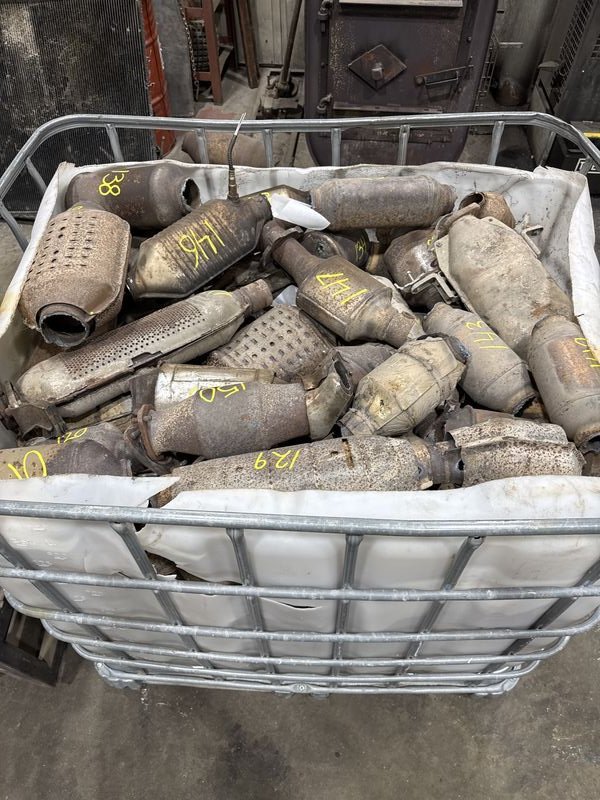
For catalytic converter recycling specifically, this matters because converter pricing is complex. A single load might contain dozens of different part numbers — OEM converters, aftermarket units, direct-fit and universal types — each with a different PGM content and refinery value. A buyer who knows your load better than you do will price the average down. A competitive auction where buyers can see your documented inventory — photos, serial numbers, part types — creates an environment where strong material gets bid up, not averaged down.
More buyers means better price discovery. That's not a marketing line. That's how markets work.
Platforms like SMASH Recycling's auction platform are built exactly for this. Sellers list their loads with full photo documentation and serial tracking. Vetted buyers across North America bid. The seller sees competing offers in real time. No guessing. No back-channel deals. No wondering if you left money on the table.
What Calgary Yards Need to Know About PGM Prices in 2026
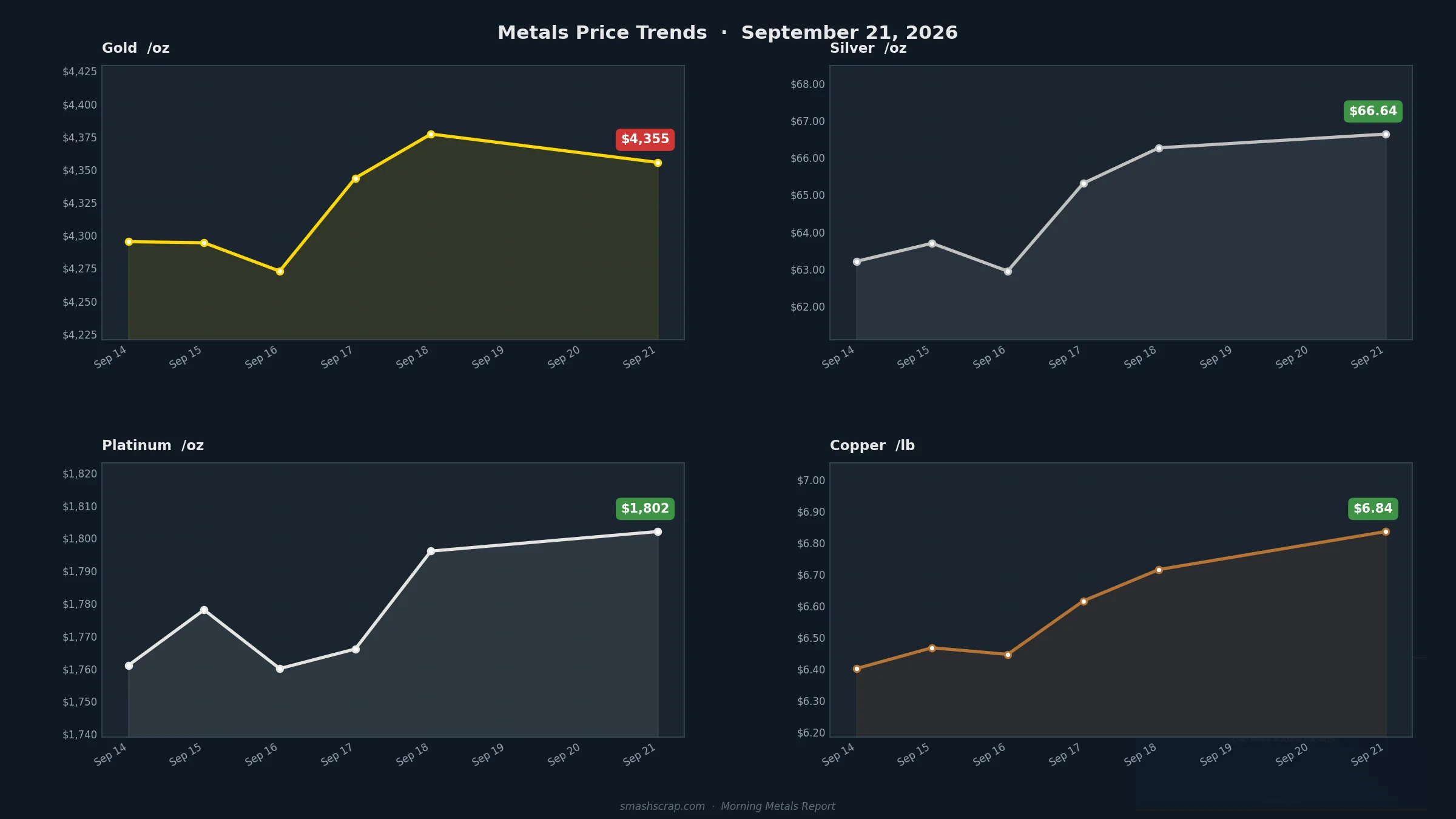
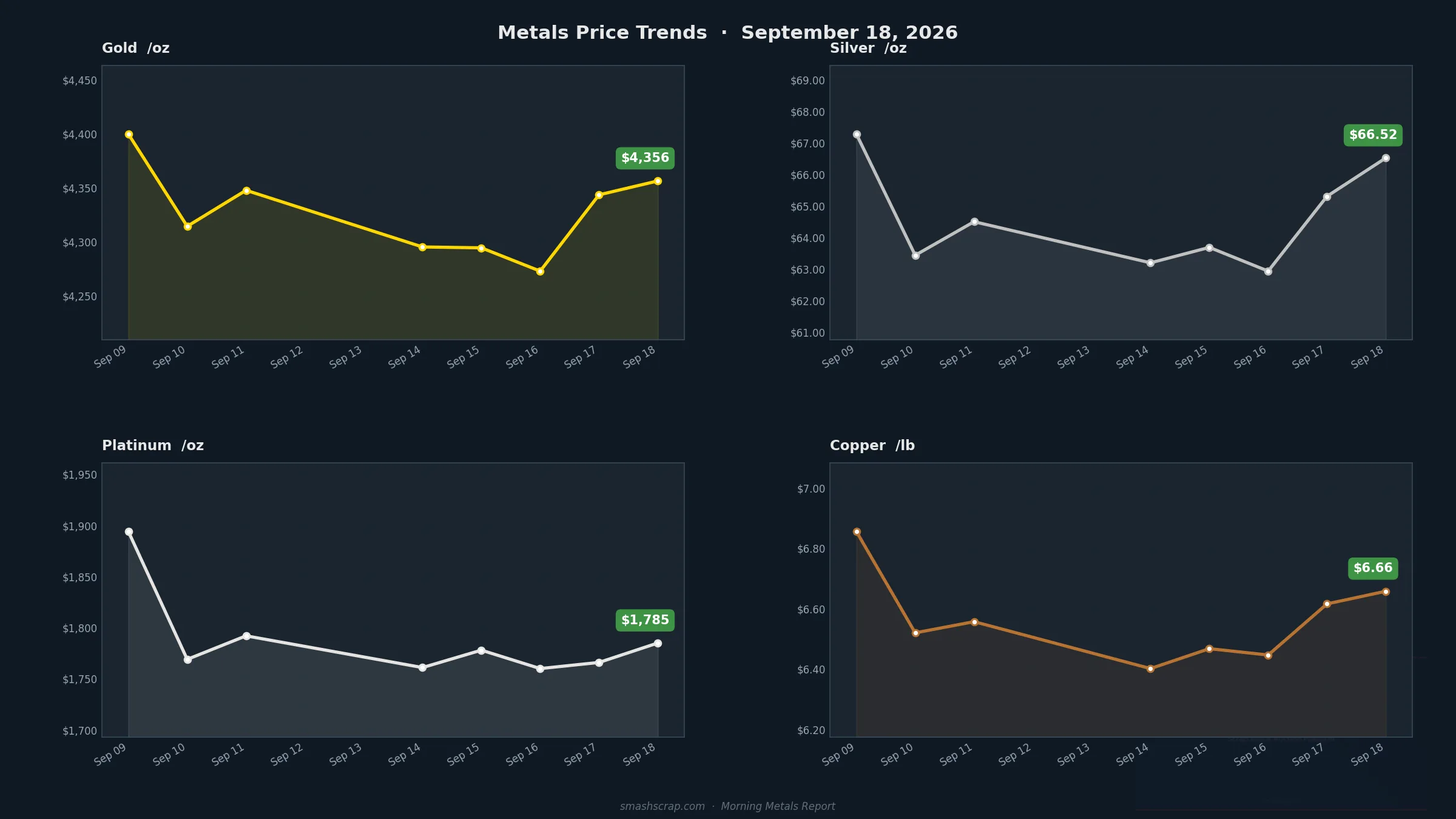
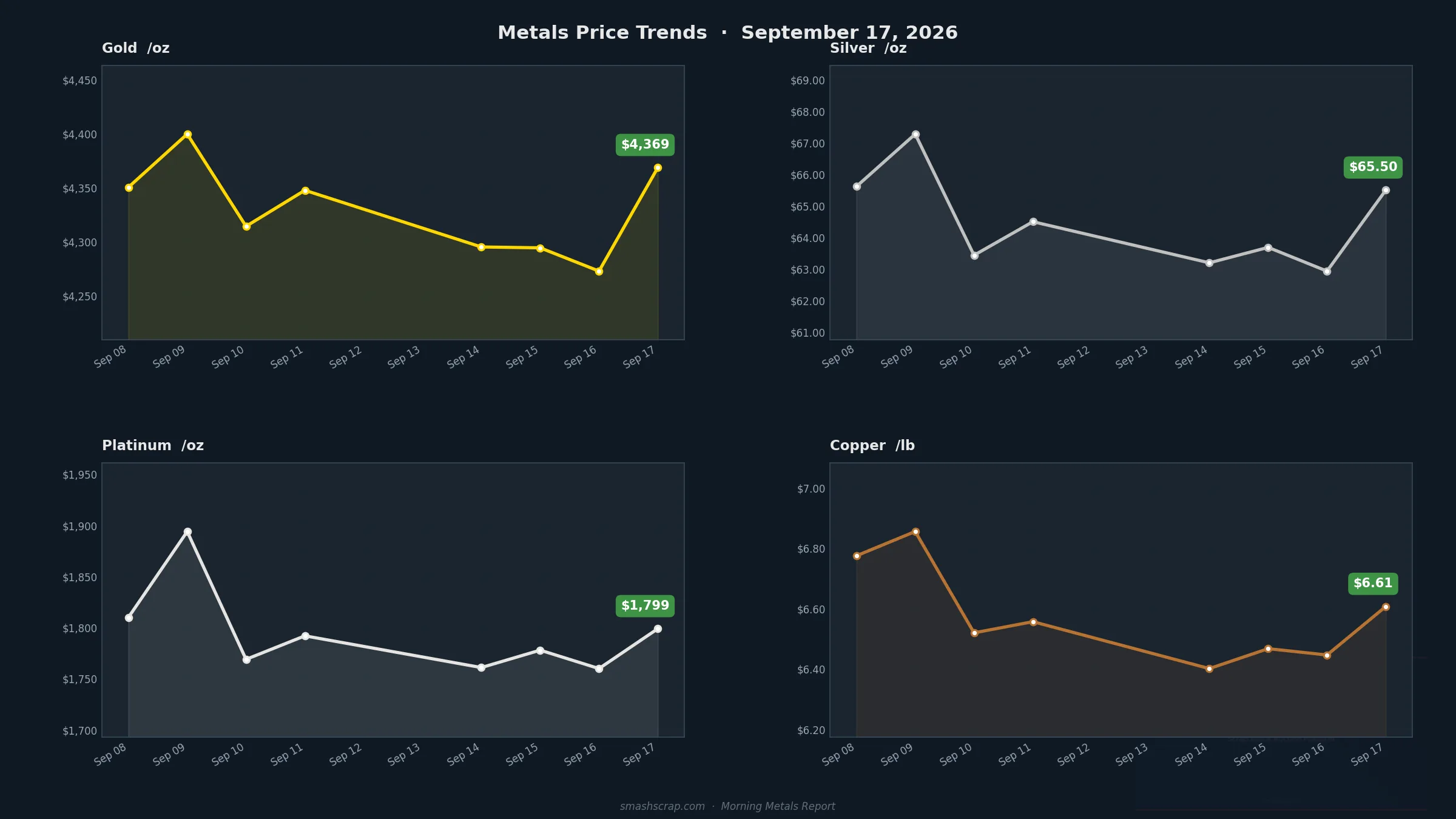
Platinum, palladium, and rhodium prices have always been volatile. In 2026, that volatility hasn't eased — it's become a permanent feature of the market. EV adoption has shifted demand curves for palladium (which is heavily used in gasoline catalysts). Rhodium remains one of the most thinly traded and price-sensitive PGMs in the world. Platinum has found new industrial demand outside of automotive.
What this means for automotive recyclers Calgary-wide is that timing and information both matter more than ever. A load sold on a bad week without competitive bidding could cost you significantly more than the same load sold transparently the following week with buyers competing for it.
Disclaimer: Metal prices fluctuate daily. Always check current PGM spot rates before pricing or listing a load. Nothing in this article constitutes a price guarantee or market forecast.
Alberta yards handling volume — large dismantlers, full-service recycling operations, auction-based vehicle processors — are increasingly looking for better infrastructure around how they move non-ferrous material. Calgary scrap metal services through an auction platform give you that infrastructure without a subscription fee sitting on top of your margin every month.
Industry organizations like the Automotive Recyclers of Canada (ARC) and the Ontario Automotive Recyclers Association (OARA) have consistently pushed for greater transparency and documentation standards across the sector. Moving to an auction platform with built-in serial tracking and photo documentation aligns directly with those industry best practices — and it protects your operation if a load ever gets questioned.
Documentation, Compliance, and Why It Matters More Now
Catalytic converter theft hasn't disappeared. Regulatory pressure on recyclers to document the source and condition of converters they accept has increased. Across Canada, provinces have tightened requirements around who can sell converters, what paperwork must accompany a transaction, and how records must be kept.
When you sell through a broker, documentation often means whatever paper trail you built yourself. When you sell scrap metal online through an auction platform with built-in inventory tools, documentation becomes part of the transaction — not an afterthought.
SMASH includes VIN lookup, serial tracking, and photo documentation as core parts of the listing process. That's not just for buyer confidence. It's a record that protects you. If a load gets questioned downstream, your documentation is timestamped and attached to the transaction. That's a material difference from a handshake deal with a broker and a one-line invoice.
For yards in Calgary and across Alberta operating under provincial requirements for converter documentation, this infrastructure has real operational value — not just sales value.
No Subscription. No Win Unless You Win.
One of the most common objections to switching platforms is cost. What does this actually cost me per load? With SMASH, the answer is straightforward: no subscription fees. The platform only makes money when you make money. That alignment matters.
Compare that to a broker model where the spread is invisible and you're paying whether the price was competitive or not. You don't know what you paid. You just know what you received. With an auction, the process is transparent — you see the bids, you see who's competing, and you decide whether to accept.
For yards moving consistent volume of cats, cores, and non-ferrous material, that transparency compounds over time. You build a real picture of what your material is worth in a competitive market. You stop guessing. You stop being dependent on a single buyer relationship that could evaporate tomorrow.
If you're ready to find out what your loads are actually worth, join Canada's B2B scrap marketplace on SMASH Recycling and list your first load. The registration process is straightforward, and buyers are vetted before they ever bid on your material.
You can also read the latest from SMASH Recycling for ongoing coverage of Canadian scrap metal prices, market conditions, and platform updates.
Auction vs. Broker: The Real Comparison for Canadian Scrap Sellers
Let's put it plainly. If you're running a yard in Calgary or anywhere else in Alberta and you're still relying on a single buyer for your catalytic converter loads, here's what that model is costing you:
- No competition — one offer is not a market
- No transparency — you can't measure a price you can't compare
- No documentation infrastructure — you're building your own paper trail from scratch
- No fee visibility — broker margins are invisible by design
- Single point of failure — lose the relationship, lose the channel
The auction model flips each of those. Multiple vetted buyers. Competing bids. Built-in documentation. Clear fee structure. No dependency on one contact's availability or loyalty.
The scrap industry is moving toward more transparency, not less. Regulations around converter documentation are getting tighter. Buyers are getting more sophisticated. If your sales process hasn't kept pace, that gap is showing up in your margins — you just can't see it yet.
Find the best price for your scrap on SMASH and see what competitive bidding looks like for your material. The market knows what your load is worth. It's time you did too.
The closing argument is simple: if you're serious about what your converters are worth, one phone call isn't a strategy. It's a habit. Break it.
Frequently Asked Questions
Q: Can I sell catalytic converters online in Canada legally?
Yes. Selling catalytic converters through a B2B platform like SMASH is legal across Canada, provided the converters are documented and sourced legitimately. Provincial regulations vary on what records must accompany a transaction — maintaining photo documentation, serial tracking, and proper invoicing protects your yard and satisfies most provincial compliance requirements. Always verify your province's current requirements, as regulations continue to evolve.
Q: How are catalytic converter prices determined in Canada?
Catalytic converter values are primarily driven by PGM content — platinum, palladium, and rhodium — which are priced on global commodity markets and fluctuate daily. Each converter type carries a different PGM profile, so pricing varies by part number and condition. A competitive auction environment, where multiple vetted buyers bid on your documented load, generally produces better price discovery than a single static offer from a broker.
Q: What's the difference between selling to a broker versus using an auction platform for scrap metal?
A broker gives you one price based on their own margin requirements — you have no visibility into whether that price is competitive. An auction platform like SMASH puts your load in front of multiple vetted buyers simultaneously, creating real competition. The result is transparent price discovery rather than a one-sided negotiation.
Q: Do I need to be a large recycling yard to use a scrap auction platform in Canada?
No. SMASH works with yards of different sizes across Canada, including smaller operations in Calgary and Alberta that move regular volume of catalytic converters, cores, and non-ferrous material. There are no subscription fees — you only engage the platform when you have material to sell. The inventory tools and documentation features are built to scale with your operation, whether you're listing one load at a time or moving consistent volume.
Q: What documentation do I need to sell catalytic converters in Calgary?
Alberta has documentation requirements for catalytic converter transactions. Generally, you need records that establish the source of the converters — vehicle information, seller identification, and acquisition records. SMASH's built-in serial tracking, VIN lookup, and photo documentation tools help you build and store that record as part of the listing process, rather than maintaining a separate paper trail. Always check current Alberta provincial regulations for the most up-to-date requirements.
If you're moving catalytic converters, cores, or non-ferrous loads in Calgary or anywhere across Alberta, the platform you sell through is part of your margin. SMASH is built for yards that want competition, transparency, and documentation — not a single phone call and a price no one can verify. Register at smashrecycling.ca and list your first load on Canada's B2B scrap marketplace.
Follow SMASH on LinkedIn for ongoing scrap metal market insights, Canadian price updates, and industry news that matters to your operation.