Most recyclers selling catalytic converters are leaving money on the table — not because they're careless, but because they're stuck calling the same buyer they've always called. One buyer, one price, no competition. That's not a market. That's a guess.
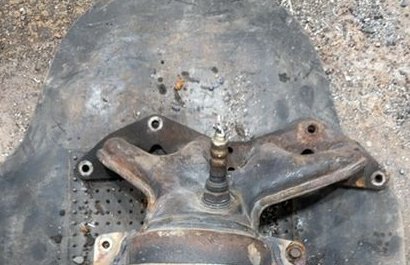
If you run a recycling yard or automotive operation doing scrap metal recycling in Halifax, you already know cats are some of the most valuable material you handle. A single catalytic converter can carry more precious metal value than an entire skid of copper wire. Platinum, palladium, and rhodium don't care what city you're in — but how you sell them absolutely does.
This guide breaks down how catalytic converter auctions work, why competition changes your outcome, and how recyclers across Nova Scotia are using platforms like SMASH to get real market pricing instead of whatever one buyer decides to offer on a Tuesday morning.
Why Catalytic Converters Are the High-Stakes Play in Scrap Metal Recycling
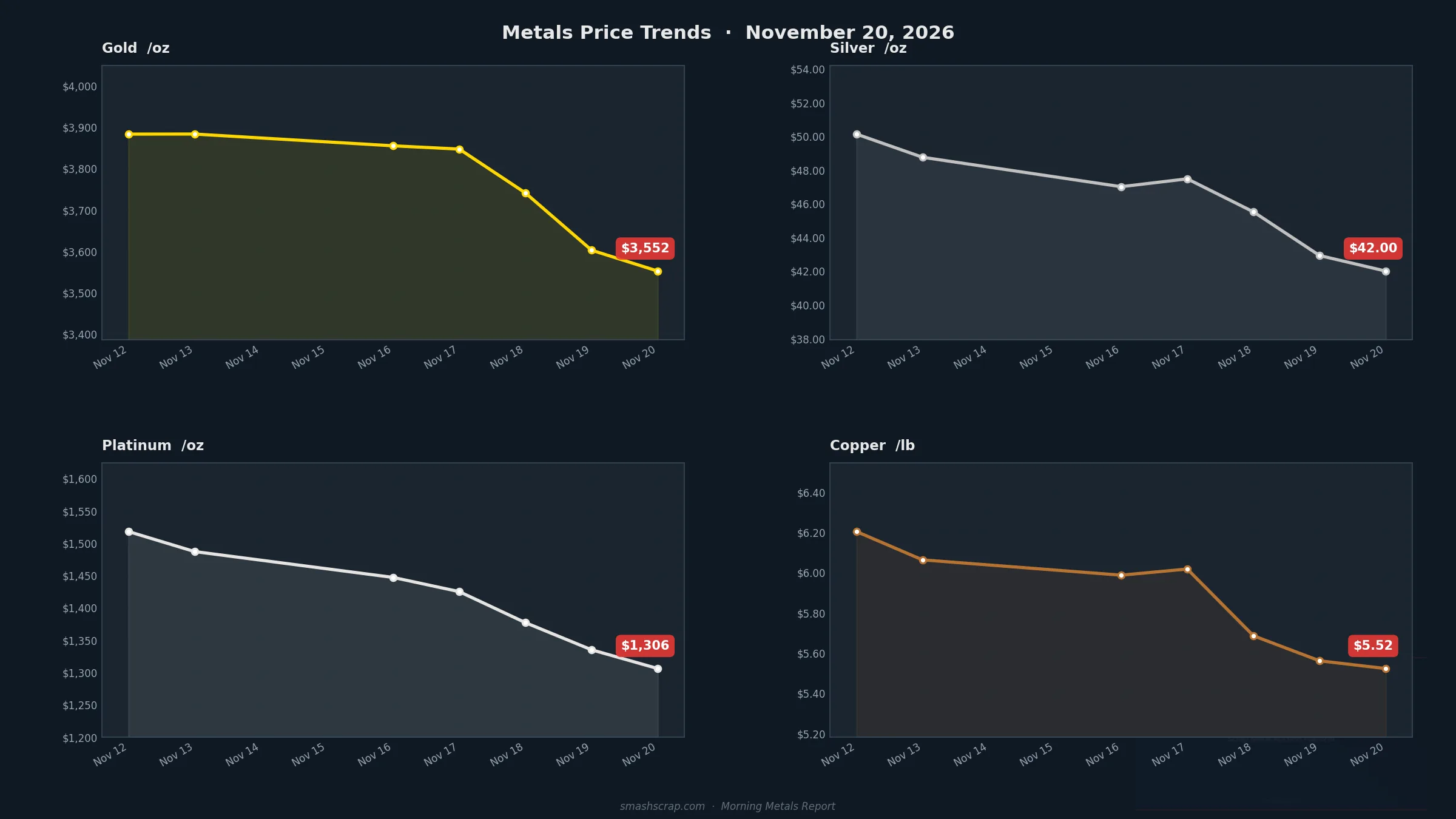
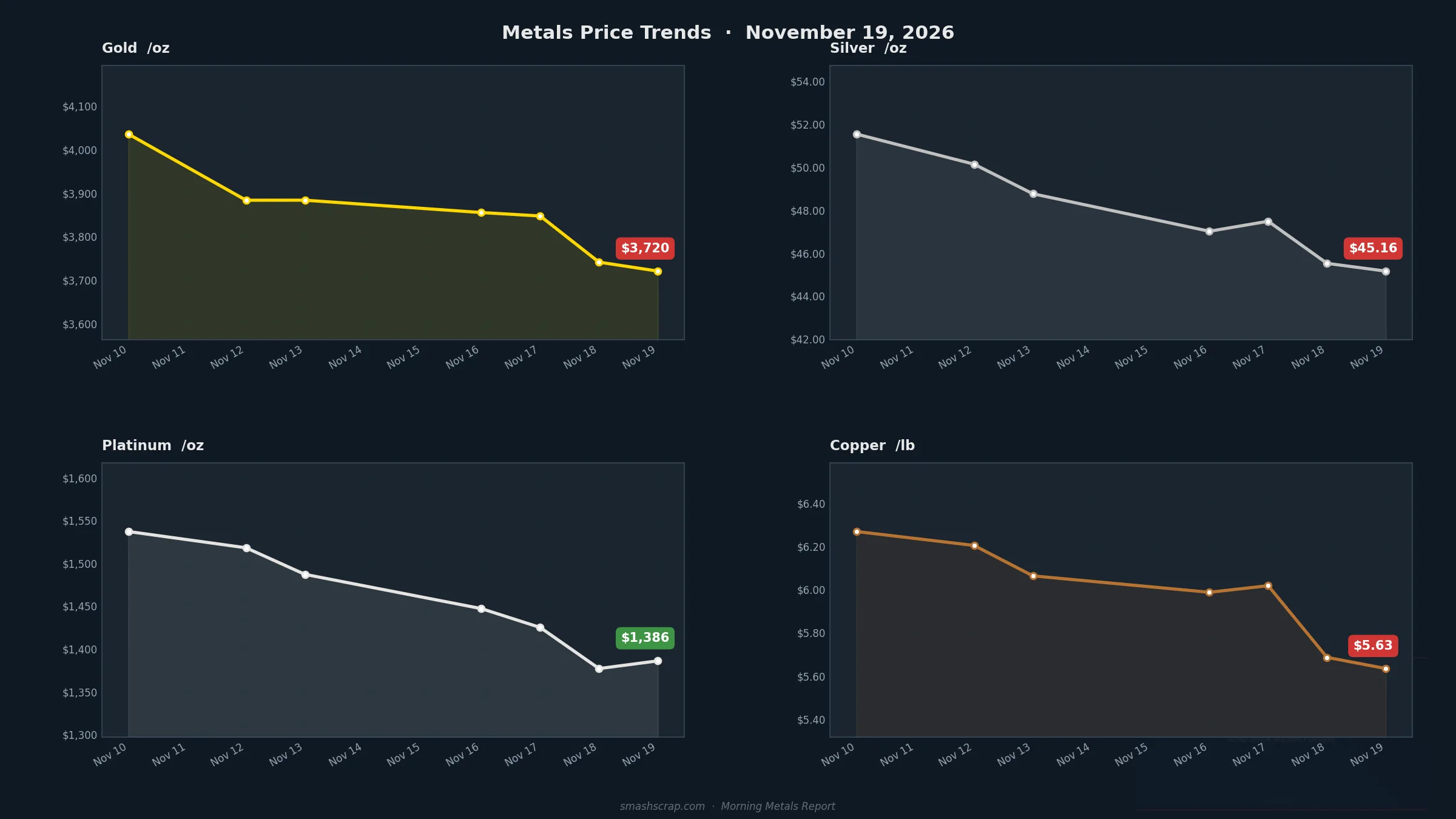
Catalytic converters contain platinum group metals (PGMs) — platinum, palladium, and rhodium. These are some of the most volatile commodities on the planet. Palladium hit extreme highs earlier this decade before correcting. Rhodium remains unpredictable year over year. In 2026, PGM pricing continues to shift with EV adoption rates, autocatalyst demand from industrial markets, and global mining supply chain pressures.
What that means practically: the spread between a low bid and a fair market bid on a load of cats can be significant. We're not talking small rounding errors. A recycler holding 50 to 100 mixed units has a lot of price discovery to gain — or lose — depending on how they sell.
The challenge for most yards doing scrap metal recycling in Nova Scotia is isolation. Halifax is a strong regional hub, but the broader Atlantic market has fewer large convertor buyers than Ontario or Quebec. Fewer local buyers means less competition by default — unless you bring buyers to you through a broader platform.
The Old Way of Selling Cats (and Why It Underserves You)
The traditional model looks like this: a buyer calls your yard, or you call them. They quote you a price per unit or per pound. You take it or leave it. If you leave it, you're back to square one — finding another buyer, waiting on callbacks, hoping the market hasn't moved against you by Thursday.
Some yards have built relationships with two or three buyers over the years. That's better than one, but it's still not a market. It's a small private club where you have limited leverage.
Here's what gets lost in that model:
- Price transparency. You rarely know if the offer reflects actual PGM spot prices or just what the buyer thinks they can get away with.
- Documentation trail. Phone deals leave no audit trail — no packing lists, no serial tracking, no photo records. That's a problem for compliance and your own records.
- Competitive tension. If a buyer knows they're the only one at the table, there's no incentive to sharpen their number.
- Speed. Back-and-forth phone negotiations on a load of cores can drag on for days while your capital sits in inventory.
The scrap metal auction platform model — where vetted buyers compete for your load — directly addresses every one of those gaps.
How Catalytic Converter Auctions Actually Work on a B2B Platform
A scrap metal auction platform like SMASH isn't a consumer app or a classified listing. It's a structured B2B environment where verified buyers across Canada see your documented inventory and place competitive bids. The process is designed for yards moving volume, not individuals recycling a single unit.
Here's the general flow for selling cats through an auction format:
- Inventory documentation. You log your units using SMASH's inventory tool. This includes photo documentation, serial tracking, and unit descriptions. Accurate documentation increases buyer confidence — which translates directly to stronger bids.
- Listing creation. Your load goes live to the platform's vetted buyer network. Buyers across the country can see it, assess it, and compete for it.
- Competitive bidding. Multiple buyers place bids. The competitive dynamic creates price discovery you simply don't get from a single-buyer call.
- Auto-invoicing. Once the auction closes, the platform handles invoicing automatically — including GST/HST/PST/QST where applicable. Less paperwork, cleaner records.
- Settlement and BOL. Bills of lading and packing lists are part of the documentation flow, keeping your compliance records complete.
SMASH charges no subscription fees. The model only works if sellers win — which means there's a direct alignment of incentives built into the platform from the start.
For recyclers running Halifax scrap metal services, connecting to a national buyer network through SMASH means your cats compete in a larger market, not just the Atlantic regional pool.
What Affects Catalytic Converter Value in 2026
Understanding what drives converter value helps you time listings and document inventory correctly. No two units are worth the same — and buyers know it. Here's what matters:
PGM Spot Prices
Platinum, palladium, and rhodium prices move daily based on commodity markets. In 2026, rhodium remains a relatively rare and high-value component, while palladium demand has evolved alongside shifts in the global EV transition. Buyers price their bids against current spot — which is why transparency on a live auction platform matters. You're not accepting a quote from two weeks ago.
Vehicle Make, Model, and OEM Type
Converters from certain manufacturers and engine types carry significantly higher PGM loadings. Diesel cats are different from gasoline units. Aftermarket converters typically carry less PGM content than original equipment manufacturer (OEM) units. VIN lookup and serial tracking — features built into SMASH's platform — help document these distinctions accurately.
Converter Condition and Completeness
Foiled, cracked, or tampered units lose value. Buyers discount heavily for uncertainty. Clean photo documentation showing condition upfront prevents disputes and keeps bids competitive. If a buyer has to assume the worst, their bid reflects that assumption.
Load Size and Consistency
Moving a larger, well-documented load with consistent unit types typically attracts stronger buyer interest than a mixed grab-bag of unknown units. Sorting your inventory — even roughly — before listing pays off in bid quality.
Disclaimer: Catalytic converter and PGM prices fluctuate continuously. Check current market rates before making pricing decisions. Nothing in this article constitutes a price guarantee or market forecast.
Industry Standards and Why Documentation Matters More Than Ever
Canadian automotive recyclers operate in an increasingly regulated and scrutinized space. Organizations like the Automotive Recyclers of Canada (ARC) and the Ontario Automotive Recyclers Association (OARA) have been instrumental in developing best practices around vehicle processing, parts documentation, and responsible recycling standards. While OARA is Ontario-focused, the documentation and compliance standards they promote reflect broader industry expectations that apply across Canadian operations, including yards doing scrap car recycling in Halifax.
Catalytic converters have been a specific focus area for law enforcement and industry regulators due to their high value and theft vulnerability. That means when you sell cats through a documented, auditable platform, you're not just protecting your margins — you're protecting your business. Serial tracking and photo records create a chain of custody that standalone phone deals simply don't provide.
SMASH's built-in documentation tools — inventory logging, photo capture, serial tracking, auto-invoicing — align directly with the kind of audit-ready records that responsible recyclers need to maintain. Explore SMASH Recycling's auction platform to see how the documentation flow works end to end.
Getting Started: What Halifax Recyclers Should Know Before Their First Cat Auction
If you've never listed a load of catalytic converters on an auction platform before, the process is more straightforward than you might expect. The biggest shift is mindset: you're moving from a reactive model (wait for a buyer to call) to a proactive one (put your documented load in front of a network of competing buyers).
A few practical starting points:
- Start with a clean load. Your first auction will go better if you're not figuring out documentation while also sorting 200 mixed units. Pick a batch you know well and start there.
- Photograph everything. Both ends of the converter, the serial (if visible), any damage. More documentation creates more buyer confidence.
- Know your unit types. OEM vs. aftermarket matters. If you can separate them, do it. It affects how buyers bid.
- Understand the GST/HST flow. SMASH handles GST/HST/PST/QST processing through the platform, which simplifies tax compliance significantly for Canadian sellers.
- Register before you need to sell. Getting set up on the platform before you have an urgent load to move means you're not rushing through onboarding when you have a time-sensitive inventory decision to make.
For more context on how Canadian yards are navigating the current scrap market, read the latest from SMASH Recycling — the blog covers pricing trends, platform updates, and practical guidance for recyclers across the country.
Frequently Asked Questions
Q: How much is a recycled catalytic converter worth in Canada?
It depends on the vehicle, converter type, PGM content, and current spot prices for platinum, palladium, and rhodium. OEM converters from certain makes can carry significantly more value than aftermarket units. Prices fluctuate daily — using a competitive auction platform helps ensure you're getting a price that reflects actual current market conditions rather than a single buyer's internal margin.
Q: Can I recycle my old catalytic converter through SMASH?
SMASH is a B2B platform built for recycling yards, automotive recyclers, and commercial buyers — not individual consumers selling a single unit. If you're a yard or business moving volume, SMASH is designed for your operation. If you're an individual with one or two units, your best starting point is a local scrap yard or metal recycler.
Q: Is scrap metal recycling in Halifax regulated?
Yes. Nova Scotia has regulations governing scrap metal dealers, including record-keeping requirements for certain materials. Catalytic converters fall under heightened scrutiny across Canada due to their theft risk and high value. Proper documentation — which a platform like SMASH provides — helps yards maintain compliance and clear audit trails.
Q: What's the difference between selling cats through a broker and using an auction platform?
A broker acts as an intermediary and typically represents the buyer's interests or takes a spread between what they pay you and what they sell for. An auction platform puts your documented load in front of multiple competing buyers simultaneously, creating price discovery through competition rather than a single negotiated margin. More buyers at the table means more competitive tension on your load.
Q: How does SMASH handle taxes on catalytic converter sales in Canada?
SMASH's auto-invoicing handles GST/HST/PST/QST as part of the transaction flow, reducing the administrative burden on sellers. This is especially relevant for Canadian B2B transactions where tax treatment needs to be consistent and documented. Always confirm specifics with your accountant for your province's requirements.
If your yard is still selling cats the old way — one call, one price, one buyer — you're not seeing your market. You're seeing one person's opinion of it. Join Canada's B2B scrap marketplace on SMASH Recycling and find out what competitive bidding actually looks like for your inventory. Register at smashrecycling.ca.
Follow SMASH on LinkedIn for scrap metal market insights, PGM pricing updates, and industry news relevant to Canadian recyclers.