B2B Scrap Metal Trading Vancouver: Auction vs Single-Buyer
Most yards in Canada are still selling the way they sold in 2005. One buyer. One phone call. One price — take it or leave it. If you're doing this in 2026, you're leaving real money on the table, and the data backs that up. Scrap metal recycling Vancouver operations that have shifted to competitive auction formats are discovering something that should have been obvious all along: competition works. More buyers means better price discovery. That's not a pitch — it's basic economics.
This piece isn't a product brochure. It's a look at where B2B scrap trading in Canada is heading, what the smarter yards are already doing differently, and why the old single-buyer model is getting harder to defend in a market that moves fast and forgives nothing.
---The Old Way Is Costing You More Than You Think
Let's be direct. If your process for selling a load of non-ferrous — copper, aluminum, catalytic converters — involves calling one contact and accepting whatever they quote you, you have no idea if that's the market rate. You're trusting a relationship over data. Relationships matter, but they don't pay your overhead.
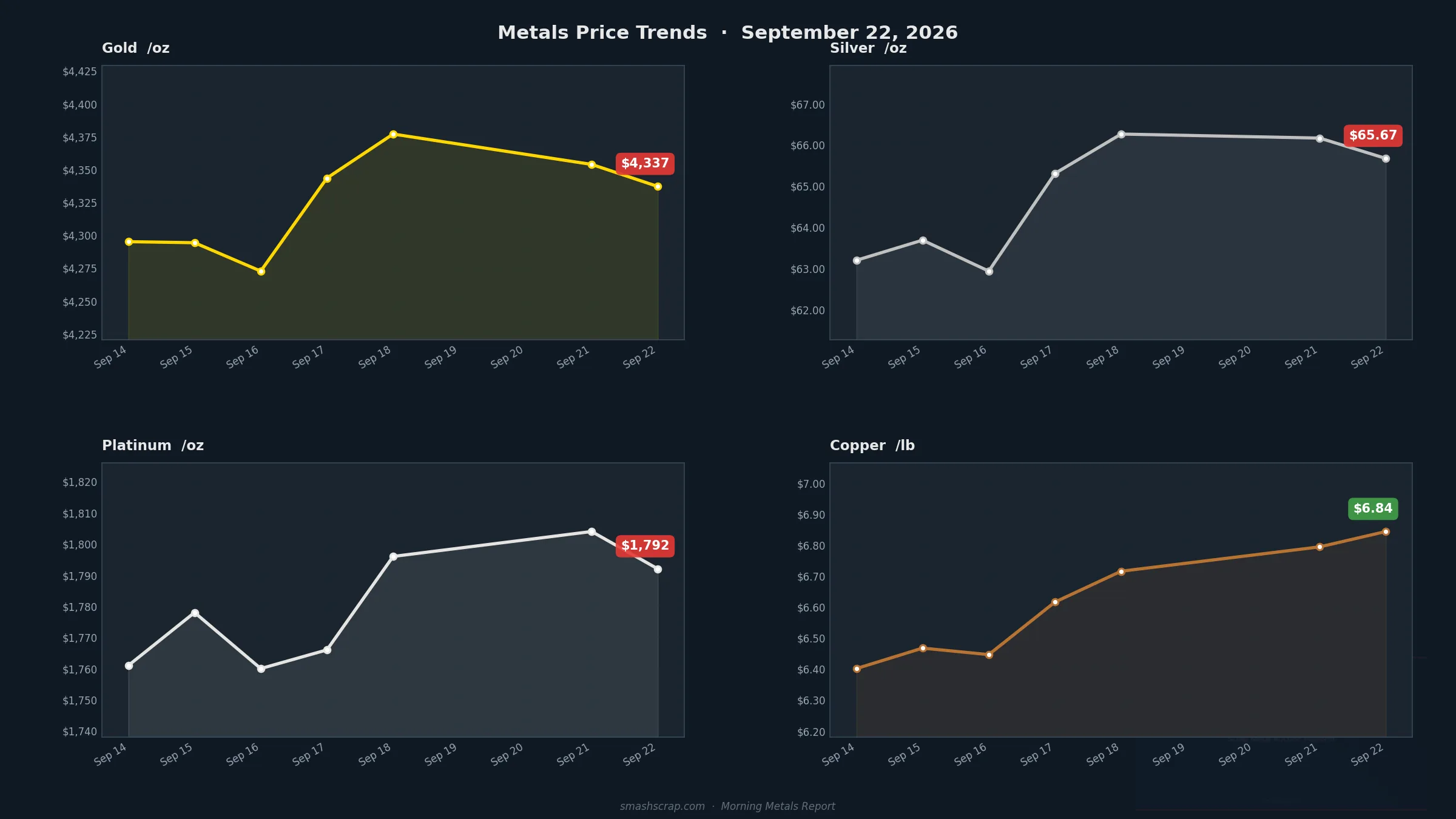
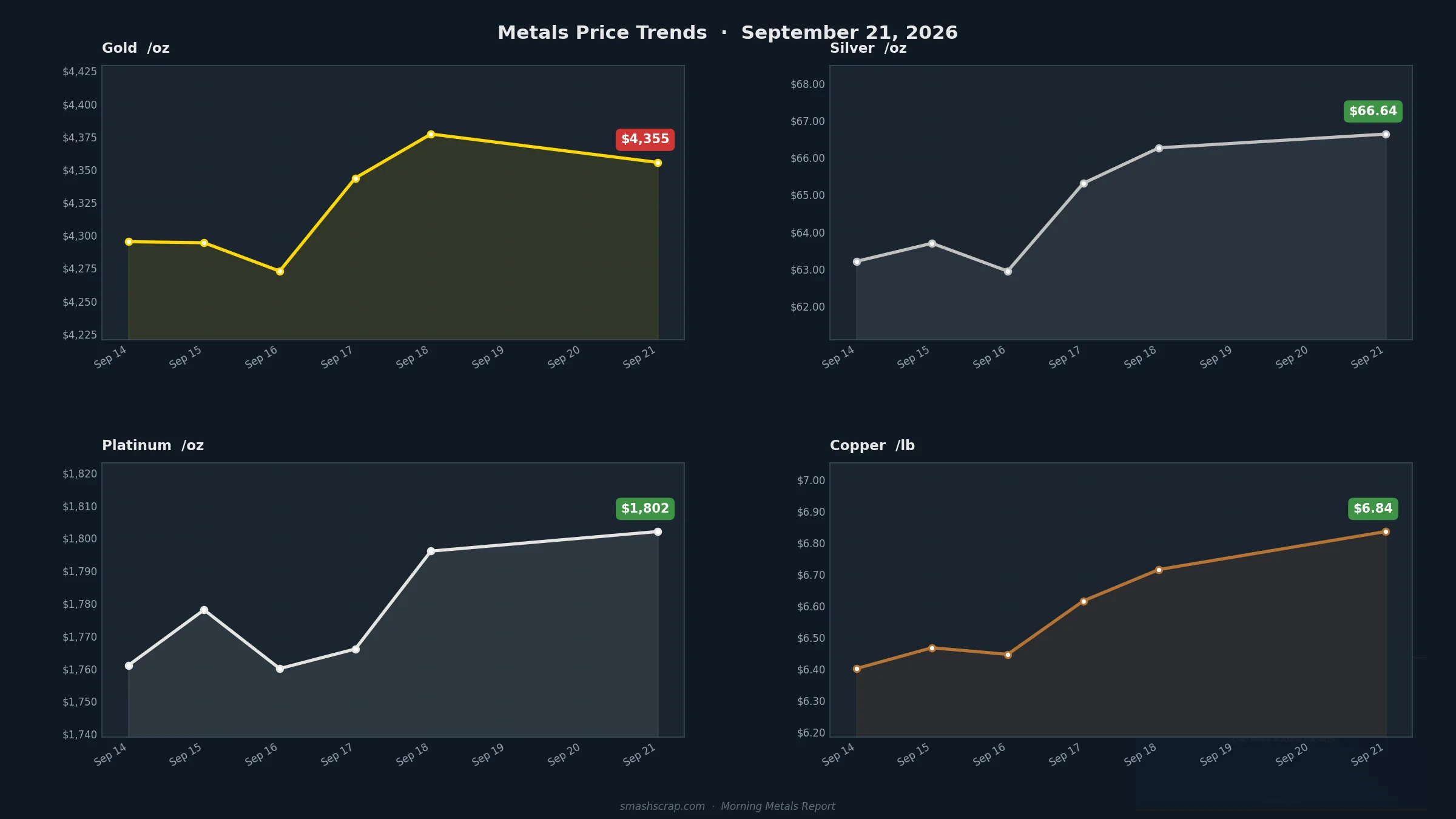
The scrap metal market is volatile by nature. Copper scrap prices, platinum prices, palladium prices, and rhodium prices shift weekly — sometimes daily — based on global commodity markets, currency exchange, and industrial demand cycles. A buyer quoting you on a Tuesday afternoon is quoting you at a price that works for them. That's not cynicism. That's just how the business works.
Forward-thinking operations in British Columbia and across Canada are asking a smarter question: what does the market actually say this load is worth? The only way to answer that honestly is to put it in front of multiple vetted buyers at the same time and let them compete.
---What a B2B Scrap Metal Auction Platform Actually Changes
The scrap metal auction platform model isn't complicated. You document your inventory — photos, weights, grades, serial numbers where applicable, VIN lookups for automotive cores — and you list it. Vetted buyers can see what you have. They bid. You see who's serious and what the market actually values your load at.
This is where explore SMASH Recycling's auction platform comes in. SMASH was built by people who understand how scrap yards operate — not by a software team guessing at what recyclers need. The platform handles the documentation side (photo uploads, packing lists, BOLs), the buyer vetting, and auto-invoicing once a sale closes. No subscription fees. SMASH only earns when a seller sells. That's the structure that keeps it honest.
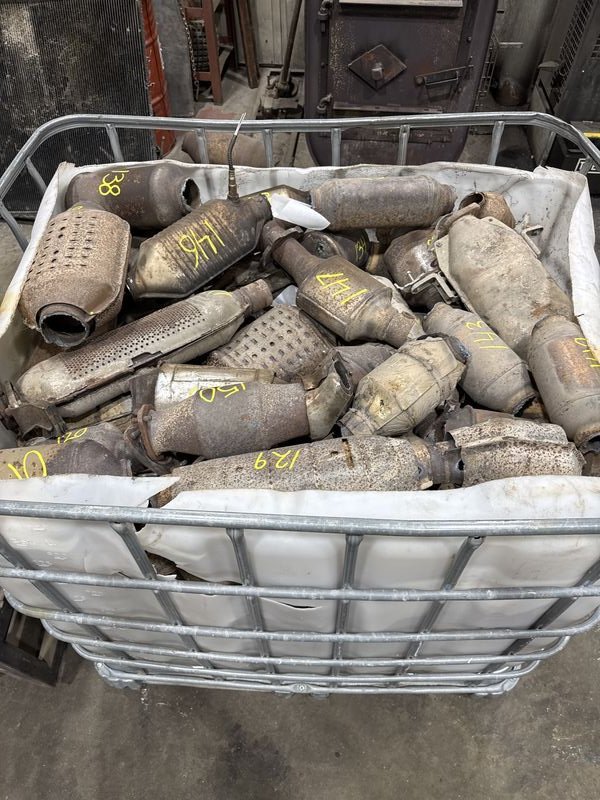
For yards dealing in catalytic converters specifically, the documentation tools matter as much as the auction format. Serial tracking, assay documentation, photo verification — these are the details that give buyers confidence to bid higher because they're bidding on known material, not mystery metal. Better documentation directly supports price discovery.
- Vetted buyers only — no tire-kickers or low-ball brokers without credentials
- Inventory tool — manage what you're listing, what's sold, what's pending
- VIN lookup and serial tracking — critical for automotive cores and converters
- Auto-invoicing — no chasing paperwork after the sale closes
- Photo documentation — supports buyer confidence and accurate bidding
- GST/HST/PST/QST handling — Canadian tax compliance built in
Scrap Car Recycling Vancouver: A Market With Real Volume
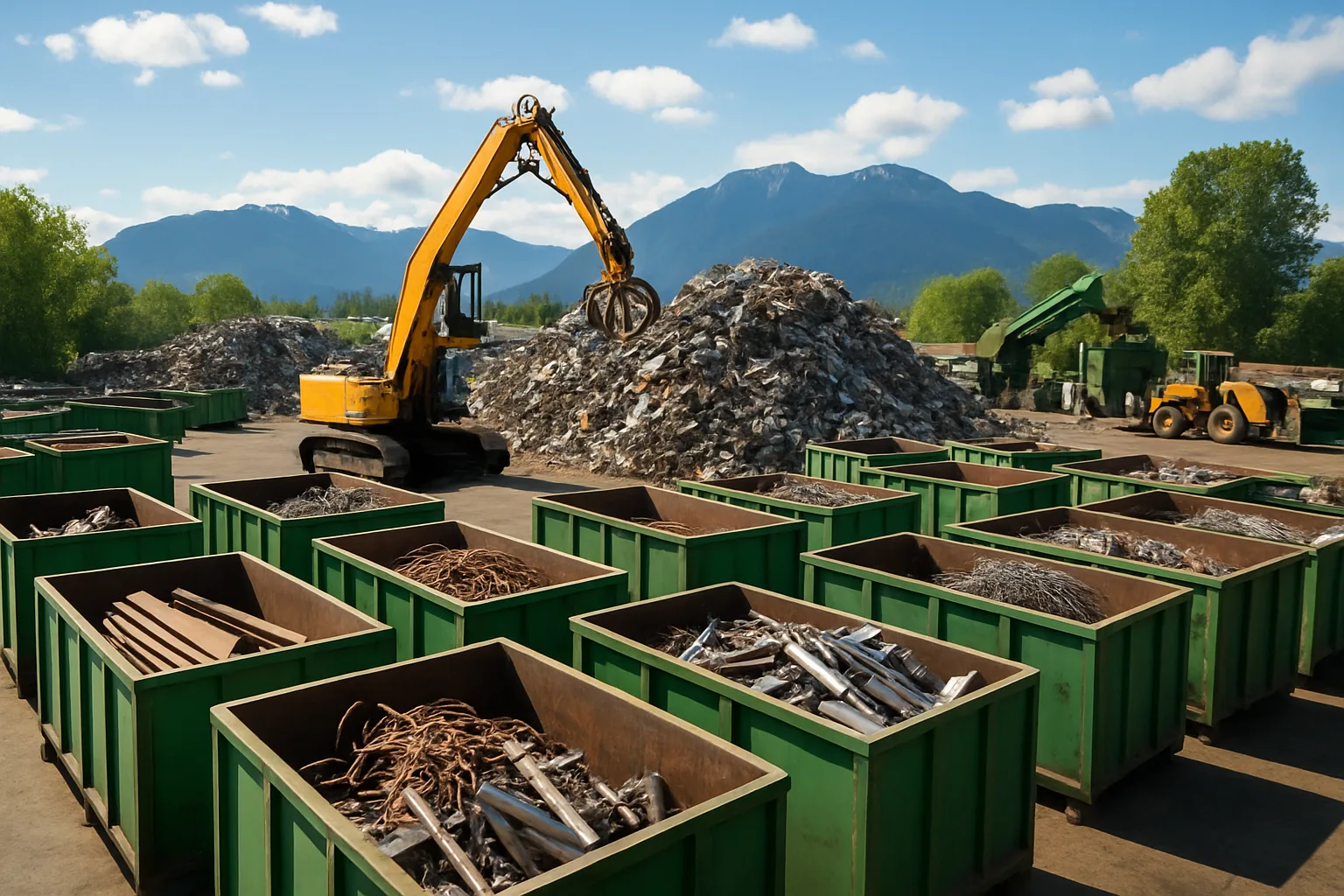
Vancouver and the surrounding Lower Mainland generate significant automotive scrap volume. Population density, aging vehicle fleets, and active construction and industrial sectors feed a steady stream of end-of-life vehicles and non-ferrous material into the recycling chain. Scrap car recycling Vancouver operations — from small independents to full-scale Vancouver scrap metal services providers — are sitting on material that has real market value beyond what a single phone call can surface.
Automotive recyclers in British Columbia operate within a framework shaped by provincial environmental regulations and industry standards set by organizations like the Automotive Recyclers of Canada (ARC) and the Ontario Automotive Recyclers Association (OARA). These organizations set the benchmark for responsible vehicle processing, fluid recovery, and parts documentation. Yards that meet those standards are producing material that qualified buyers trust — which makes the auction format even more effective. Documented, compliant material attracts competitive bids. Material sold with no documentation leaves buyers guessing, and they price that uncertainty into their offers.
The catalytic converter market is a strong example. Catalytic converter prices today vary significantly based on the vehicle make, model, age, and the platinum group metals (PGMs) present — platinum, palladium, and rhodium. A late-model domestic truck converter and an economy import converter are worth very different amounts. Yards that know the difference and document it accordingly consistently get better returns. Platforms built around proper documentation and competitive bidding make this work at scale.
---What "Pro Auto Recyclers Canada" Looks Like in 2026
The operations pulling ahead in 2026 share a few common traits. They treat data like an asset. They document everything. They don't rely on memory or relationships as a substitute for market information. And they've moved away from the single-buyer model because they've seen — in real numbers, on real loads — what competition does for their margins.
The term pro auto recyclers Canada isn't just a search term. It describes a mindset shift happening across the industry. The pro operations are the ones with organized inventory systems, proper LOF (lift-off fluid) documentation, compliant depollution records, and — increasingly — access to a marketplace where they can reach multiple buyers on a single load without making ten phone calls. They've built the documentation habits that let them sell with confidence. The platform becomes the multiplier.
Aluminum pricing is another area where this plays out clearly. Aluminum can prices represent the low end of the non-ferrous spectrum, but the same principle applies to higher-grade aluminum scrap — extrusions, breakage, cast aluminum from auto components. Buyers grade material differently. One buyer's "contaminated" load is another buyer's acceptable feedstock. The only way to find out which buyer values your material most is to show it to more than one of them at the same time.
To get current Canadian scrap metal prices and market context, read the latest from SMASH Recycling for regular updates on pricing trends across non-ferrous categories.
---The Transparency Shift: Why Documentation Is Now a Competitive Advantage
Across the Canadian scrap industry, the yards that win on price aren't always the ones with the largest volume. They're the ones with the cleanest documentation. This is a fundamental shift in how the B2B scrap metal marketplace works in practice.
Buyers on competitive platforms bid higher when they can see what they're bidding on. A load of catalytic converters with clear photos, accurate part counts, serial numbers, and assay history will consistently attract more aggressive bids than an undocumented load of the same material. The documentation removes uncertainty. Buyers price out their risk — so less risk means less discount built into the offer.
SMASH builds this into the platform by design. When you list on sell your scrap metal on the SMASH marketplace, the documentation tools aren't optional add-ons — they're how the listing works. Packing lists, photo uploads, weight documentation — these are the inputs that drive better outputs. It takes more effort upfront than a phone call. That effort pays off in the bids you see.
This is also why the SMASH scrap model appeals to larger buyers. Buyers sourcing significant volume don't want to chase unknown material. They want documented loads from sellers they can verify. The platform creates a closed-loop environment where both sides have what they need to transact with confidence — and that confidence shows up in pricing.
---Where Canadian Scrap Trading Goes From Here
The direction is clear. Competitive bidding. Better documentation. Digital inventory management. Transparent pricing tied to actual market data rather than a single buyer's quote on a Tuesday afternoon. These aren't trends — they're structural changes in how the industry works. Yards that adapt to this now will be better positioned when the next commodity cycle hits, whether metals are up or down.
British Columbia has the volume, the regulatory framework, and the buyer demand to be a leading region in this shift. The recyclers in Vancouver who are already using competitive auction formats are building pricing intelligence that their competitors are missing. They know what their loads are worth because they see what multiple buyers will actually pay. That's real market data. It compounds over time.
The scrap industry isn't getting simpler. Commodity volatility, compliance expectations, PGM market complexity — it's all increasing. The right tools make the difference between guessing and knowing. If you're ready to see what a transparent, competitive auction format does for your loads, join Canada's B2B scrap marketplace on SMASH Recycling and find out what your material is actually worth.
---Frequently Asked Questions
Q: How does a scrap metal auction platform work for Canadian recycling yards?
You document your inventory — photos, weights, grades, and relevant serial or VIN data — and list it on the platform. Vetted buyers review the material and submit competitive bids. You see the offers and accept the best one. SMASH handles auto-invoicing and Canadian tax documentation (GST/HST/PST) after the sale closes. No subscription fees — SMASH earns only when you sell.
Q: What types of scrap can I sell through the SMASH platform?
SMASH handles a range of B2B scrap categories including catalytic converters, non-ferrous metals (copper, aluminum, brass), automotive cores, and other recyclable materials. The platform is built for commercial-volume sellers — recycling yards, auto recyclers, and industrial operations — not individual sellers dropping off a single load.
Q: How does scrap metal recycling Vancouver benefit from an auction format?
Vancouver and the Lower Mainland have active buyer demand and high scrap volume from automotive, construction, and industrial sources. Putting documented loads in front of multiple vetted buyers — instead of calling one contact — means the market sets the price. Competition can reveal prices that a single-buyer conversation would never surface.
Q: What are catalytic converter prices today and how do I get accurate quotes?
Catalytic converter prices vary significantly based on the vehicle type, converter grade, and current platinum, palladium, and rhodium spot prices — all of which shift regularly. There's no fixed number that stays accurate for long. The best way to get an accurate current value is to document your converters properly (photos, serial numbers, counts) and put them in front of competitive buyers. Prices fluctuate — always verify current rates before making selling decisions.
Q: Do I need to be a large operation to use a B2B scrap metal marketplace?
SMASH is built for commercial sellers — recycling yards, automotive recyclers, and industrial scrap operations that move volume regularly. If you're generating consistent loads of non-ferrous material, catalytic converters, or automotive cores, the platform is designed for your scale. Small occasional loads may not be the right fit, but if you're running a yard and selling regularly, the auction format is worth understanding.
---Stay ahead of Canadian scrap metal market trends and pricing updates — follow SMASH Recycling on LinkedIn for regular industry insights, platform updates, and non-ferrous market news.