
Automotive Recyclers Charlottetown: Digital Market Edge
The State of Scrap Metal Recycling in Canada: 2026 Industry Overview
Canada's scrap metal recycling industry has transformed dramatically in 2026, with digital marketplaces and auction platforms revolutionizing how automotive recyclers Charlottetown and across the country conduct business. The shift toward transparency, competitive pricing, and efficient inventory management has created unprecedented opportunities for both buyers and sellers in the B2B scrap metal marketplace.
The Canadian automotive recycling sector processes over 1.5 million end-of-life vehicles annually, generating substantial volumes of recyclable materials. From copper wiring to catalytic converters containing precious metals, these vehicles represent a significant resource stream that demands sophisticated handling and pricing strategies.
Today's market dynamics favor operations that embrace technology-driven solutions. Traditional phone-based negotiations are giving way to real-time auction platforms where scrap metal recycling Charlottetown businesses can achieve market-competitive pricing through transparent bidding processes.
Digital Transformation in Canadian Automotive Recycling
The most significant change in 2026 is how automotive recyclers manage their inventory and connect with buyers. Modern scrap metal inventory management systems integrate directly with auction platforms, allowing recyclers to list materials as they become available rather than stockpiling for bulk sales.
In Charlottetown, forward-thinking automotive recyclers are leveraging these digital tools to compete effectively with larger operations in Toronto and Vancouver. The geographic disadvantage of operating in Prince Edward Island becomes less relevant when auction platforms provide equal access to national buyers.
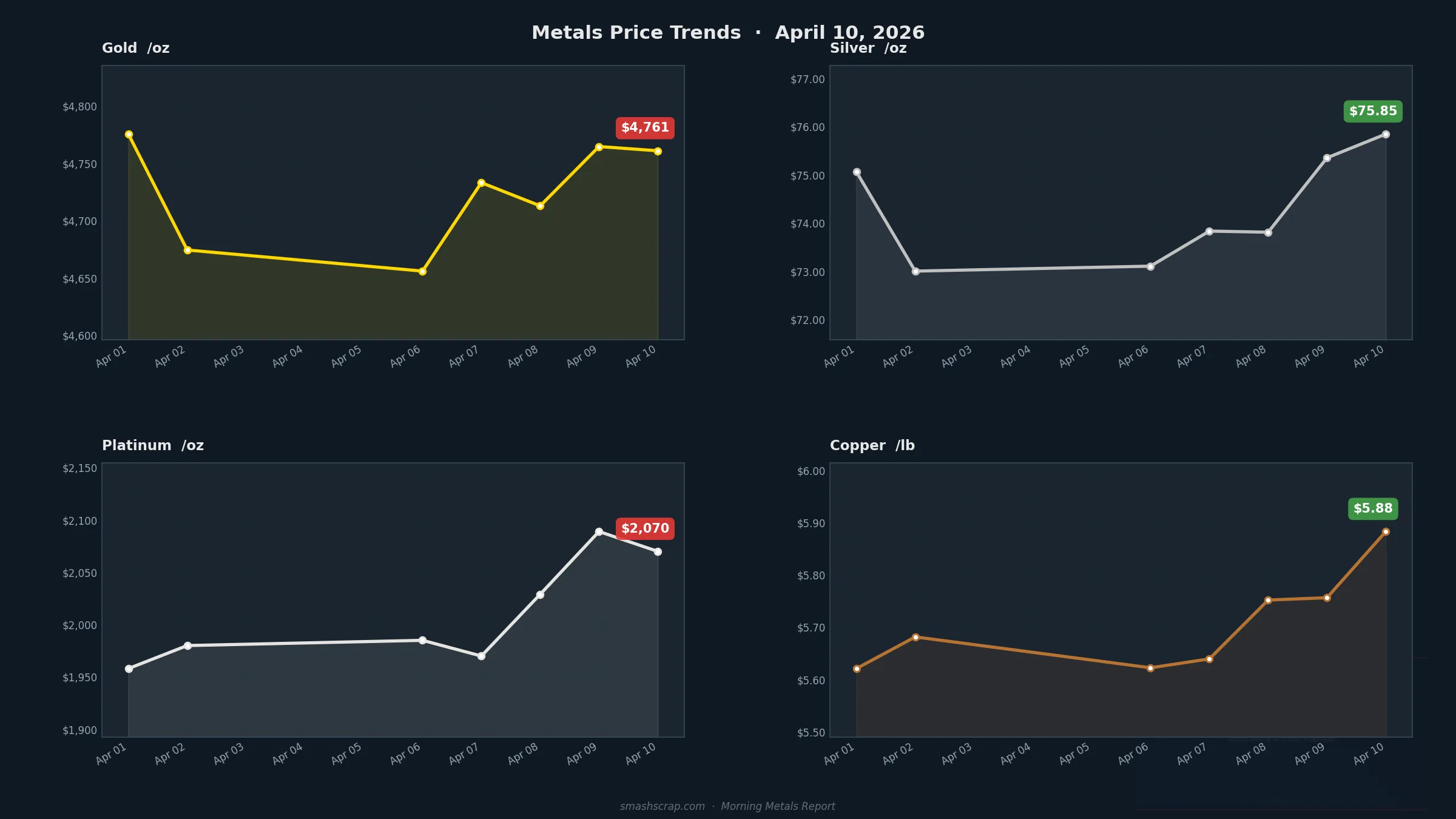
Real-time pricing data has become essential. Copper prices fluctuate daily based on global market conditions, while precious metals in catalytic converters can swing significantly within hours. Recyclers who explore SMASH Recycling's auction platform gain access to current market rates rather than relying on outdated price lists or delayed quotes.
The integration of mobile technology allows recyclers to photograph and list items immediately upon processing. This speed-to-market advantage can mean the difference between catching a price peak or missing a profitable opportunity.
Catalytic Converter Market Dynamics and Precious Metal Pricing
Catalytic converters remain one of the most valuable components in automotive recycling, with rhodium, platinum, and palladium content driving significant value. The SMASH scrap metal auction format has proven particularly effective for these high-value items where proper identification and competitive bidding maximize returns.
In 2026, rhodium prices have stabilized around historical highs, making proper evaluation crucial for recyclers. A single catalytic converter from certain hybrid vehicles can contain precious metals worth several hundred dollars. However, misidentification or selling to uninformed buyers often results in significant undervaluation.
Platinum and palladium prices reflect ongoing supply constraints from traditional mining operations. This creates opportunities for recyclers who can efficiently extract and properly market these materials through transparent auction processes.
The challenge for many automotive recyclers canada operations lies in staying current with rapidly changing precious metal values. Weekly price updates are insufficient in today's volatile market. Successful operations monitor prices daily and adjust their selling strategies accordingly.
Should You Scrap or Sell Your Old Vehicle? Market Analysis for 2026
Vehicle owners frequently ask whether scrapping or selling provides better value. The answer depends on several factors that have shifted in 2026's market environment.
Vehicles over 15 years old with significant mechanical issues typically generate more value through recycling than private sale attempts. The scrap value includes not just the bulk metal weight but also valuable components like catalytic converters, copper wiring, and aluminum parts.
Current market rates show that junkyards typically pay between $300 to $800 for complete vehicles, depending on size, condition, and current metal prices. However, this represents only the immediate cash value. Forward-thinking recyclers break down vehicles systematically, extracting maximum value from each component.
The decision becomes clearer when considering time investment. Private sales require advertising, showing the vehicle, handling negotiations, and managing paperwork. Recycling provides immediate payment and handles all transportation and documentation.
For residents in Charlottetown and across Prince Edward Island, the limited private market for older vehicles often makes recycling the most practical choice. The island's population size restricts the buyer pool for vehicles requiring significant repairs.
Regional Opportunities and Challenges in Atlantic Canada
Atlantic Canada presents unique dynamics for automotive recycling operations. Lower population density means fewer end-of-life vehicles per square kilometer, but it also reduces competition for available inventory.
Transportation costs to mainland buyers traditionally disadvantaged Maritime recyclers. However, digital auction platforms level this playing field by connecting local operations with buyers across Canada and internationally. A Charlottetown operation can now compete directly with Toronto-based companies for the same buyers.
The seasonal nature of Atlantic Canada's economy creates predictable patterns in scrap metal availability. Spring cleanup periods generate increased volumes, while winter months may see reduced processing capacity due to weather constraints.
Maritime recyclers benefit from established relationships with local automotive service centers, body shops, and insurance companies. These partnerships provide steady inventory streams that larger operations in major cities must compete for aggressively.
When recyclers join Canada's B2B scrap marketplace on SMASH Recycling, they gain access to buyer networks previously unavailable to smaller regional operations. This market access transforms the viability of automotive recycling businesses throughout Atlantic Canada.
Technology Integration and Inventory Management Best Practices
Modern automotive recycling requires sophisticated inventory tracking to maximize profitability. Successful operations photograph, weigh, and catalog components immediately upon processing rather than relying on bulk estimates.
Barcode systems and digital catalogs allow recyclers to track individual items from processing through sale. This granular approach reveals which vehicle types and components generate the highest returns, informing future purchasing decisions.
Integration with auction platforms streamlines the selling process. Rather than making multiple phone calls to potential buyers, recyclers list items once and receive competitive bids from verified purchasers.
The most successful catalytic converter buyers canada operations have embraced automated pricing tools that adjust reserve prices based on current precious metal values. This ensures they never sell below market rate while maintaining competitive positioning.
Cloud-based inventory systems provide real-time visibility into stock levels and turnover rates. Fast-moving items can be prioritized for immediate listing, while slower inventory might be bundled with popular items to improve overall margins.
Those looking to stay current with industry developments can read the latest from SMASH Recycling for insights into market trends and best practices.
Future Outlook for Canadian Scrap Metal Recycling
The trajectory for 2026 and beyond points toward continued digitization and market consolidation. Smaller operations that adapt to technology-driven processes will thrive, while those relying on traditional methods face increasing pressure.
Environmental regulations continue tightening, requiring more sophisticated handling and documentation processes. Operations that invest in compliance infrastructure today position themselves for long-term success as requirements become more stringent.
Electric vehicle adoption will reshape the automotive recycling landscape within the next decade. While this reduces traditional catalytic converter volumes, it creates new opportunities in battery recycling and rare earth metal recovery.
The success stories emerging from Charlottetown and across Atlantic Canada demonstrate that location no longer determines market access. Progressive recyclers who embrace digital tools and transparent auction processes achieve results comparable to their urban counterparts. As the industry continues evolving, platforms like the SMASH scrap metal auction marketplace provide the infrastructure necessary for continued growth and profitability.
Join Canada's B2B scrap marketplace — register at smashrecycling.ca to connect with verified buyers and access real-time market pricing that transforms how automotive recyclers across Canada conduct business.
Frequently Asked Questions
Q: What's the most a junkyard will pay for a car in Charlottetown?
Junkyards in Charlottetown typically pay between $300 to $800 for complete vehicles, depending on the car's size, weight, and current scrap metal prices. Larger vehicles with valuable components like catalytic converters command higher prices. The exact amount varies based on current copper, steel, and aluminum market rates.
Q: Is it better to scrap or sell my old car in Prince Edward Island?
For vehicles over 15 years old with significant mechanical issues, scrapping usually provides better value than attempting a private sale. The limited buyer market in Prince Edward Island makes it challenging to sell older vehicles requiring repairs. Scrapping provides immediate payment without the time investment of advertising and showing the vehicle.
Q: How do automotive recyclers in Charlottetown compete with larger operations?
Charlottetown recyclers compete effectively by using digital auction platforms that provide equal access to national buyers. These platforms eliminate geographic disadvantages and allow smaller operations to achieve market-competitive pricing through transparent bidding processes.
Q: What makes catalytic converters so valuable in scrap metal recycling?
Catalytic converters contain precious metals including rhodium, platinum, and palladium. A single converter can contain hundreds of dollars worth of these materials. Proper identification and auction-based selling ensure recyclers receive full market value rather than bulk pricing.
Q: How has scrap metal inventory management changed in 2026?
Modern inventory management integrates directly with auction platforms, allowing recyclers to list materials immediately upon processing. Digital cataloging, barcode systems, and real-time pricing updates have replaced manual tracking methods, improving both efficiency and profitability.
Follow SMASH on LinkedIn for industry updates and scrap metal market insights: https://www.linkedin.com/company/scrap-metal-auction-sales-hub