Auto Recycling Cambridge: Compliance as Competitive Advantage
Why Environmental Compliance Is Now a Business Strategy for Canadian Scrap Metal Yards
Environmental compliance used to feel like paperwork you filed and forgot. Not anymore. For auto recycling Cambridge operations and scrap yards across Ontario, the rules are tighter, the inspections are more frequent, and the penalties for getting it wrong are significant. Yards that treat compliance as a checkbox are falling behind. Yards that treat it as a business advantage are pulling ahead.
This isn't about being green for marketing purposes. It's about protecting your yard's licence to operate, attracting better buyers, and building a business that survives the next decade. Here's what Canadian scrap metal businesses need to understand about compliance in 2026 — and how to stop letting it slow you down.
What Environmental Compliance Actually Covers for Scrap Metal Operations
Compliance in the scrap and auto recycling space touches more parts of your operation than most yard operators realize. It's not just about having the right spill kit on the floor. Federal, provincial, and municipal regulations overlap in ways that can catch yards off guard — especially smaller operations that haven't updated their procedures in a few years.
For automotive recyclers in Ontario, the major compliance areas include:
- Fluid draining and storage — engine oil, transmission fluid, brake fluid, antifreeze, and fuel must be drained before crushing, stored in labelled containers, and disposed of through licensed handlers
- Freon and refrigerant recovery — air conditioning systems must be depolluted before any vehicle is dismantled or crushed, per Environment and Climate Change Canada regulations
- Battery handling — lead-acid and lithium-ion batteries both carry specific storage and disposal requirements; EV batteries are increasingly on regulators' radar in 2026
- Mercury switches — still present in older vehicles and subject to national collection programs
- Catalyst and converter handling — catalytic converters contain platinum group metals (platinum, palladium, rhodium) and must be tracked properly to satisfy both environmental and anti-theft regulations
- Stormwater management — yards must prevent contaminated runoff from entering storm drains; soil and groundwater contamination are serious liability issues
- Non-ferrous scrap handling — copper, aluminum, and other non-ferrous materials require documentation trails in many provinces
Missing any one of these can mean a fine, an order to cease operations, or in serious cases, personal liability for yard owners. The read the latest from SMASH Recycling blog covers regulatory shifts that affect Canadian yards — worth following if you're trying to stay current.
Ontario-Specific Rules and What Automotive Recyclers of Canada ARC Recommends
Ontario has some of the most detailed automotive recycling regulations in the country. The province's Environmental Protection Act, combined with Ontario Regulation 102/94 (waste diversion) and ongoing updates from the Ministry of the Environment, Conservation and Parks, creates a layered compliance environment. Yards operating in or near Cambridge, Ontario need to be aware of both provincial minimums and any local municipal overlays that apply to industrial properties.
The Ontario Automotive Recyclers Association (OARA) and the Automotive Recyclers of Canada (ARC) are the two organizations doing the most practical work to help yards stay compliant. ARC's Automotive Recycler Accreditation Program (ARAP) sets a national standard for depollution, parts documentation, and environmental handling. Yards that carry ARAP accreditation signal to buyers, insurers, and regulators that they operate above the minimum baseline.
If you're running Cambridge scrap metal services and you haven't looked at OARA membership or ARC accreditation recently, it's worth doing in 2026. Both organizations also provide training resources, inspection checklists, and government relations advocacy — tools that directly reduce compliance risk for member yards.
The practical guidance from automotive recyclers Ontario-wide points to a few non-negotiables: documented depollution logs for every vehicle, licensed fluid disposal contracts on file, and staff training records. An inspector who shows up unannounced wants to see all three without a scramble.
How Poor Inventory Management Creates Compliance Gaps
Here's where most yards bleed quietly: the compliance problem is often an inventory problem wearing a different hat. When you can't track what came in, what was removed, and what's sitting in your yard, you can't prove compliance — even if you're doing everything right.
Strong scrap metal inventory management isn't just about knowing how many tonnes of shred you have. It's about being able to answer regulator questions on the spot: When did that vehicle arrive? Was it depolluted before dismantling? Where did the fluids go? Who bought the converter off that unit? Without a reliable inventory trail, you're guessing — and inspectors know when operators are guessing.
A proper inventory system should capture:
- Vehicle intake date, VIN, and source documentation
- Depollution checklist completion by vehicle
- Parts removed and any serial-tracked items (converters, cores)
- Photo documentation at intake and at key processing stages
- Buyer information and bill of lading (BOL) or packing list records for outbound loads
Platforms like SMASH are built to support exactly this kind of documentation. VIN lookup, serial tracking, and photo documentation tools mean your inventory record isn't just useful for selling — it's your compliance paper trail. When a buyer bids on a load of non-ferrous material or a batch of cats through the SMASH auction platform, there's a documented chain of custody attached. That matters when Ontario regulators come asking questions.
SMASH Scrap — where verified buyers bid on your metal — is built for yards that need both competitive pricing and clean documentation. Those two things aren't in tension. They work together.
Copper Recycling Cambridge and Non-Ferrous Compliance Considerations
Non-ferrous scrap — copper, aluminum, brass, stainless — sits in a specific compliance zone that's tightened in recent years. Copper recycling Cambridge and across Ontario has drawn more regulatory attention as theft-related copper scrap volumes pushed provincial governments toward stricter transaction documentation requirements. Ontario's Residential Tenancies Act amendments and municipal scrap dealer bylaws in several cities now require photo ID logging, transaction records, and in some cases, waiting periods before processing certain materials.
For B2B operations dealing in copper from commercial or industrial sources, the documentation burden is lower — but it still exists. You need to show the copper came from a legitimate source. A vetted buyer network and documented transactions help here. Selling through a platform with verified counterparties is a stronger paper trail than a handshake deal with someone you found through a cold call.
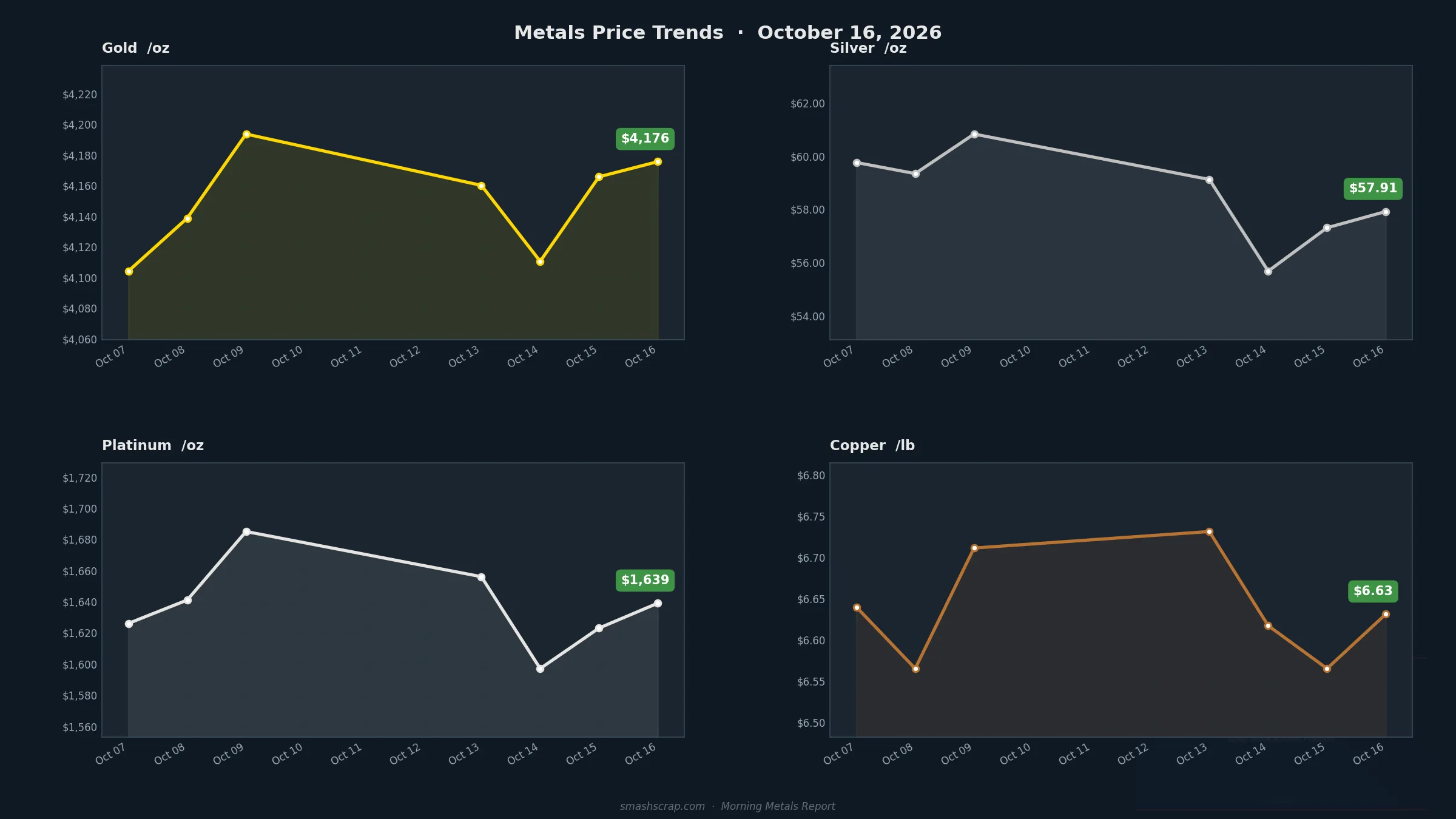
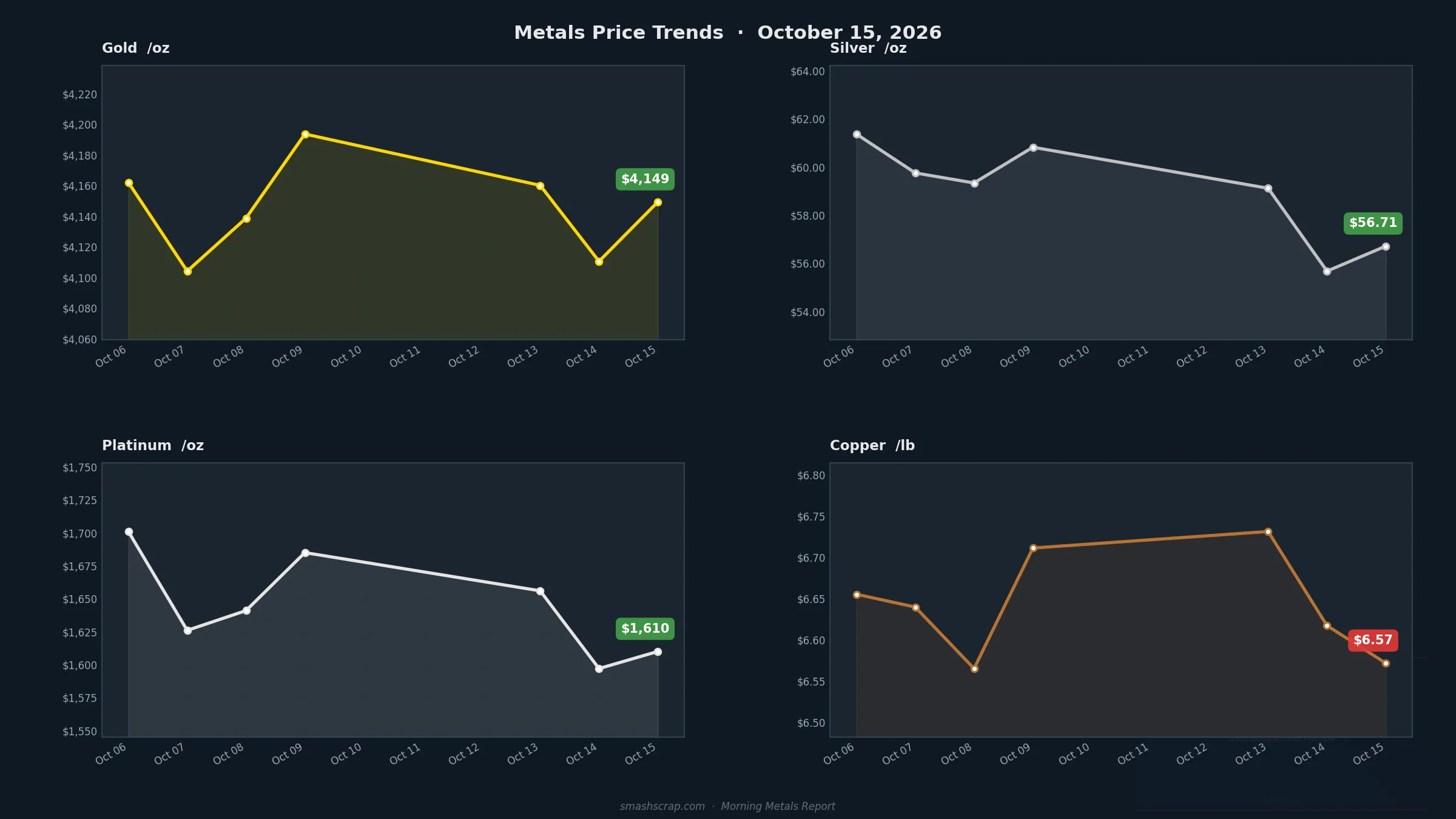
The same logic applies to catalytic converter sales. With platinum, palladium, and rhodium prices continuing to attract significant attention, converters remain high on the radar for both buyers and law enforcement. Yards processing converters need serial tracking and buyer documentation on every transaction. That's not optional anymore — it's table stakes for operating clean in Ontario.
Compliance as a Competitive Advantage in the B2B Scrap Marketplace
Here's the contrarian take that more yard operators are starting to accept: compliance isn't just a cost. It's a differentiator. Buyers in the B2B scrap metal marketplace are increasingly selective about who they source from. Large processors, exporters, and downstream buyers have their own compliance and ESG requirements. They want to buy from yards with clean paper trails, documented depollution, and verifiable material sourcing.
A yard in Cambridge, Ontario that can hand a buyer a full audit trail — intake documentation, depollution records, photo evidence, chain of custody — is a yard that wins bids over a competitor offering the same metal with no documentation. Price matters. Documentation is starting to matter just as much.
That's why the overlap between compliance and auction-based selling through platforms like SMASH makes so much sense. The inventory tool, serial tracking, and documented load listings don't just help you sell faster — they prove to buyers that what you're selling is clean, legal, and traceable. More buyers means better price discovery. Better documentation means more buyer confidence. Both work in your favour.
If you're ready to run a tighter operation and connect with vetted buyers across Canada, join Canada's B2B scrap marketplace on SMASH Recycling and see what competition and transparency do for your numbers.
Practical Steps to Strengthen Compliance Without Disrupting Your Operation
Compliance doesn't have to grind your yard to a halt. Most of it comes down to consistent habits and the right tools. Here's a practical starting framework for Canadian scrap and auto recycling operations in 2026:
- Audit your current intake process. Can you produce a depollution log for any vehicle in your yard within five minutes? If not, that's your first gap to close.
- Review your fluid disposal contracts. Make sure your licensed handlers are current and that you have signed contracts on file — not just verbal agreements.
- Train staff formally and document it. A training log protects you. An employee who didn't follow procedure hurts you less when you can show documented training.
- Implement photo documentation at intake. This is cheap insurance. A timestamped photo of a vehicle on arrival settles disputes and satisfies inspectors.
- Tighten converter and non-ferrous tracking. Every cat that leaves your yard should have a buyer on record, a serial or unit identifier, and a transaction document.
- Connect with OARA or ARC. If you're not already a member, the resources and accreditation pathways are worth the investment — especially for Ontario yards navigating provincial oversight.
- Use a platform that builds documentation into the selling process. That's where explore SMASH Recycling's auction platform and its inventory tools make compliance a natural byproduct of doing business, not an extra layer of work.
Environmental compliance in 2026 isn't going to get looser. The regulatory direction is clear. Yards that build clean systems now will operate with less friction, attract better buyers, and carry less risk. That's not a prediction — it's the pattern already visible across Ontario and the rest of Canada.
If you want to sell smarter, document better, and reach vetted buyers who take compliance seriously too, the time to get set up is now. Join Canada's B2B scrap marketplace — register at smashrecycling.ca and start building the paper trail that protects your yard and your bottom line.
Frequently Asked Questions
Q: What environmental regulations apply specifically to auto recycling in Cambridge, Ontario?
Auto recycling Cambridge operations fall under Ontario's Environmental Protection Act, provincial regulations on waste management and fluid handling, and applicable municipal bylaws. Vehicles must be depolluted — fluids drained, refrigerants recovered, batteries removed — before dismantling or crushing. The Ontario Automotive Recyclers Association (OARA) is the best local resource for up-to-date guidance on provincial requirements.
Q: What is ARC accreditation and why does it matter for Ontario scrap yards?
The Automotive Recyclers of Canada (ARC) runs the Automotive Recycler Accreditation Program (ARAP), which sets a national standard for responsible depollution, parts documentation, and environmental handling. Accredited yards signal to buyers and regulators that they operate above the minimum compliance baseline. For automotive recyclers Ontario-wide, carrying ARC accreditation can also improve buyer confidence and strengthen your position in competitive bids.
Q: How does scrap metal inventory management connect to compliance?
Your inventory system is your compliance paper trail. If you can't show when a vehicle arrived, when it was depolluted, what parts were removed, and where materials went, you can't prove compliance — even if you followed every step correctly. Platforms with VIN lookup, serial tracking, and photo documentation tools help yards maintain the records that both regulators and buyers want to see.
Q: Are there specific rules for copper recycling in Cambridge or Ontario?
Ontario has tightened documentation requirements for non-ferrous scrap transactions in recent years, particularly around theft-related materials like copper wire. B2B copper recycling transactions generally have less burden than retail scrap purchases, but yards still need records showing the source and buyer for each load. Selling through a verified buyer network with transaction documentation is the cleaner approach.
Q: Does selling through an auction platform like SMASH help with compliance?
Yes — because SMASH builds documentation into the transaction process. Inventory listings include photo documentation, serial tracking, and buyer verification. Every load sold through the platform has a documented counterparty. That chain of custody is exactly what regulators and downstream buyers want to see, and it reduces the manual documentation burden on your yard staff.
Stay current on Canadian scrap market trends and regulatory updates by following SMASH on LinkedIn — industry insights, market shifts, and platform news posted regularly.