
Scrap Metal Prices Today: Why Toronto Auctions Pay More
Auction vs. Broker: Understanding Your Scrap Metal Sales Options in Canada
When tracking scrap metal prices today, sellers across Ontario face a crucial decision: auction your materials or work with traditional brokers. This choice significantly impacts your bottom line, especially in Toronto's competitive recycling market where transparency drives better outcomes for sellers.
Traditional brokers have dominated Canada's scrap metal landscape for decades. They offer quick transactions and established relationships. However, modern auction platforms like SMASH Recycling are transforming how Canadian businesses approach scrap metal sales, delivering greater transparency and competitive pricing through real-time bidding processes.
Understanding these two approaches helps sellers maximize returns on everything from copper wire to catalytic converters. The difference often comes down to visibility, competition, and control over your sales process.
How Traditional Scrap Metal Brokers Operate
Scrap metal brokers act as intermediaries between sellers and end buyers. They purchase your materials at predetermined rates, then resell to refineries, smelters, or manufacturers at higher prices. This model works efficiently for immediate cash needs but limits your exposure to market competition.
Brokers typically offer fixed pricing based on current market rates minus their margin. While convenient, this approach means sellers in Toronto and across Ontario often receive below-market value for premium materials like catalytic converters containing platinum, palladium, and rhodium.
The broker relationship relies heavily on trust and established pricing structures. Sellers rarely see the actual end-buyer prices or understand how their materials perform in the broader marketplace. This lack of transparency can cost thousands of dollars on larger scrap volumes.
Many businesses choose brokers for simplicity and speed. Payment processing happens quickly, and pickup services streamline operations. However, the convenience comes at a premium that savvy sellers increasingly question as auction alternatives gain traction.
The Auction Advantage: Transparency and Competitive Bidding
Auction platforms revolutionize scrap metal sales by introducing competitive bidding dynamics. When you explore SMASH Recycling's auction platform, multiple buyers compete for your materials in real-time, driving prices upward through market forces rather than predetermined margins.
This transparency extends beyond pricing to include detailed buyer information, bidding history, and market performance data. Sellers gain insights into which buyers value specific materials most highly, enabling strategic decisions for future sales.
Auction platforms excel particularly well for specialized materials like catalytic converters. The catalytic converter auction process allows refineries to bid based on actual precious metal content rather than generic pricing models. This precision often results in significantly higher returns for sellers.
Geographic advantages also emerge through auctions. A Toronto-based seller can attract buyers from across Ontario and beyond, expanding their market reach far beyond local broker networks. This broader exposure typically generates more competitive pricing, especially for high-value materials.
Financial Impact: Comparing Returns on Your Scrap Metal
The financial differences between auction and broker sales can be substantial. Broker margins typically range from 10-25% of final sale prices, while auction platforms charge smaller fees while enabling sellers to capture full market value through competitive bidding.
Consider catalytic converter sales specifically. Brokers often use standardized pricing charts that don't account for individual unit variations in precious metal content. Auction buyers, particularly refineries, bid based on detailed analysis and testing, often paying premium rates for high-grade units.
Volume sellers see even greater benefits from auction formats. When moving large quantities of copper, aluminum, or mixed metals, the competitive environment of auctions consistently outperforms broker fixed-rate structures. Get competitive bids for your scrap metal demonstrates how multiple buyers create upward pressure on pricing.
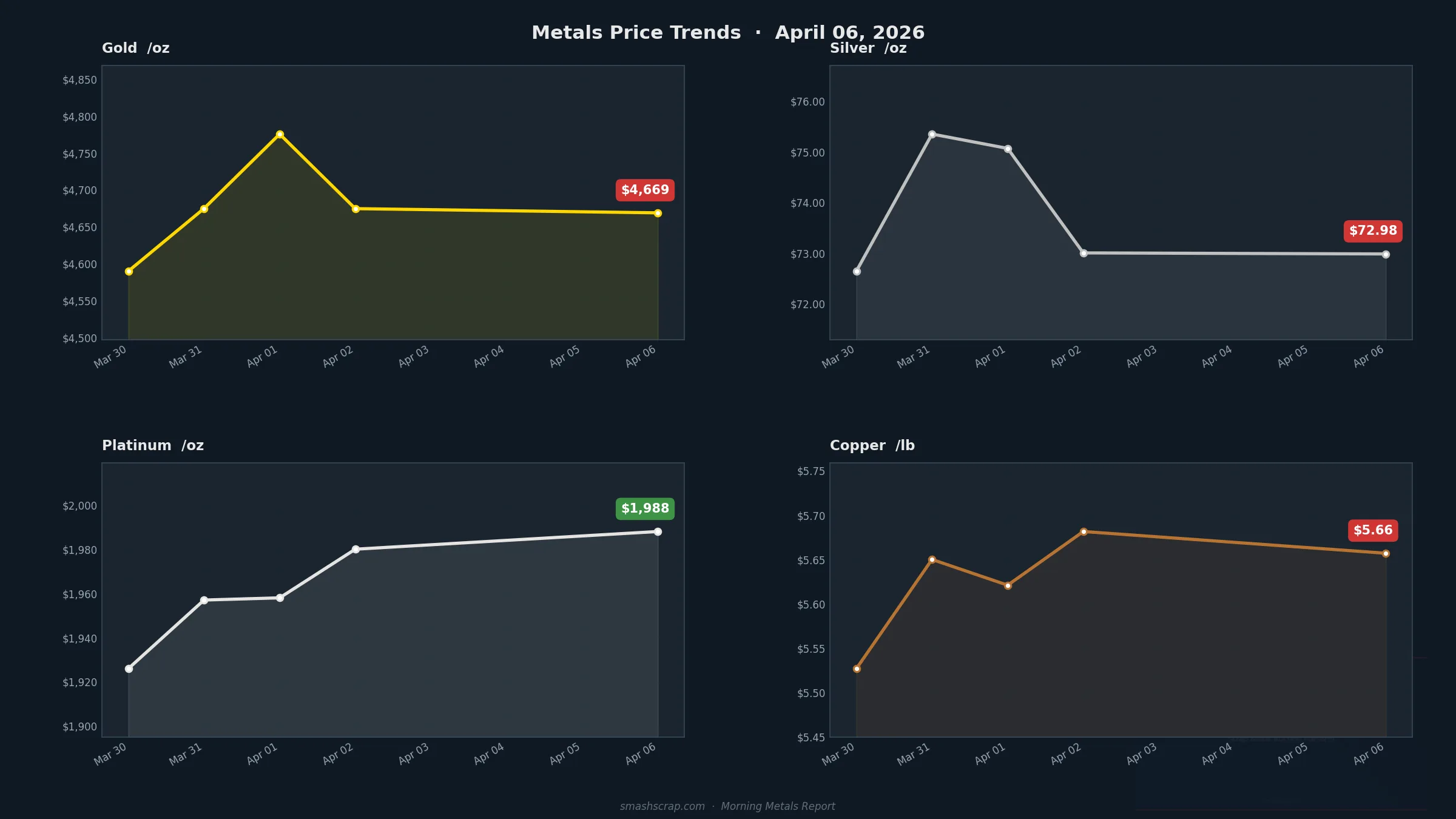
Market timing also favors auction sellers. When scrap metal prices today show volatility, auction formats capture peak pricing moments that brokers might miss due to slower pricing updates or conservative margin protection.
Operational Considerations: Speed vs. Maximum Value
Speed remains the primary advantage of traditional brokers. Established businesses need quick cash flow and simplified logistics. Brokers offer immediate pickup, fast processing, and same-day payments for routine transactions.
Auction sales require slightly longer timelines. Listing preparation, auction duration, and payment processing typically extend transactions by several days. However, this additional time investment often generates returns that justify the wait, particularly for higher-value materials.
Modern auction platforms address timing concerns through streamlined processes. SMASH Recycling, for example, simplifies listing creation and automates many administrative tasks. Sellers can schedule auctions to align with cash flow needs while maintaining competitive bidding benefits.
Logistics support varies between approaches. Traditional brokers often provide comprehensive pickup and processing services. Auction platforms typically connect sellers with vetted transportation providers or facilitate buyer-arranged pickup, maintaining service quality while preserving competitive dynamics.
Making the Right Choice for Your Scrap Metal Business
The optimal approach depends on your specific circumstances, material types, and business priorities. High-volume sellers with regular cash flow needs might benefit from hybrid strategies that use brokers for routine materials while reserving premium items like catalytic converters for auction sales.
Geographic factors also influence decision-making. Sellers in Toronto and other Ontario metropolitan areas have access to both broker networks and auction platforms. Rural sellers might find auction platforms particularly valuable for accessing broader buyer networks beyond their immediate region.
Material specialization drives many successful sellers toward auctions. Businesses dealing with electronic scrap, catalytic converters, or other precious metal-bearing materials consistently achieve better returns through competitive bidding rather than standardized broker pricing.
Industry associations like the Ontario Automotive Recyclers Association (OARA) and the Automotive Recyclers of Canada (ARC) increasingly recognize auction platforms as legitimate alternatives that enhance market transparency and fair pricing. Their endorsement of competitive selling methods validates the auction approach for professional recyclers.
Modern scrap metal businesses thrive by maximizing returns while maintaining operational efficiency. Whether you choose traditional brokers or embrace auction platforms, understanding both approaches ensures informed decision-making. Read the latest from SMASH Recycling to stay current on market developments and pricing strategies.
As Canada's scrap metal industry evolves, sellers who adapt to new marketplace dynamics gain competitive advantages. The choice between auctions and brokers ultimately comes down to your priorities: immediate convenience or maximum value through transparent competition. For many forward-thinking businesses, join Canada's B2B scrap marketplace on SMASH Recycling represents the future of profitable scrap metal sales.
Frequently Asked Questions
Q: How do current scrap metal prices today compare between auction and broker sales?
Auction platforms typically achieve 10-20% higher returns than broker sales due to competitive bidding. Market prices fluctuate daily, so checking current rates on both platforms helps determine the best option for your specific materials.
Q: Where can I sell scrap metal near me in Toronto through auction platforms?
SMASH Recycling serves Toronto and all of Ontario through their online auction platform. You can list materials from anywhere in the region and attract buyers across Canada, expanding your market reach beyond local options.
Q: Are catalytic converter auctions more profitable than selling to local dealers?
Yes, catalytic converter auctions often generate significantly higher returns because refineries bid based on actual precious metal content rather than generic pricing charts used by many local dealers.
Q: How long do scrap metal auctions typically take compared to broker sales?
Broker sales complete within 24-48 hours, while auctions typically run 3-7 days depending on material type and platform. The additional time often results in substantially higher returns that justify the wait.
Q: Do I need special permits to sell scrap metal through Ontario auction platforms?
Requirements vary by material type and business classification. Most platforms verify seller credentials during registration. Check with local Ontario regulations and the platform's specific requirements before listing materials.
Disclaimer: Scrap metal prices fluctuate based on global market conditions, material quality, and local demand. Always verify current pricing before making sales decisions.
Stay connected with industry trends and market insights by following SMASH Recycling on LinkedIn for the latest updates on scrap metal markets and auction opportunities.