Aluminum Recycling Trois-Rivières: Market Signals for Seller
Why Aluminum Recycling in Trois-Rivières Is a Bellwether for the Canadian Scrap Metal Market
Most yard operators think of aluminum as a secondary material — something you deal with after the steel and copper. That's a mistake. Aluminum recycling volumes and regional pricing trends tell you more about the health of the Canadian scrap metal market than almost any other commodity. And right now, Trois-Rivières sits at an interesting intersection of industrial demand, transportation logistics, and shifting buyer behavior that every serious seller in Quebec needs to understand.
This isn't a piece about one city. It's about using regional data — specifically what's happening with aluminum recycling in Trois-Rivières — to understand broader market forces and make smarter selling decisions across Canada.
How Regional Pricing Works in the Canadian Scrap Metal Market
Canadian scrap metal prices aren't uniform. A load of clean aluminum extrusion priced in Trois-Rivières won't fetch the same number in Calgary or Windsor. Freight, smelter proximity, local demand, and buyer competition all move the needle. Understanding this isn't optional — it's the difference between selling at yesterday's price and selling at the actual market.
Quebec has a distinct industrial ecosystem. The province's aluminum smelting capacity — driven by access to low-cost hydroelectric power — creates regional demand patterns that differ from Ontario or British Columbia. Scrap aluminum in Trois-Rivières benefits from proximity to major processing corridors, but that advantage disappears fast if you're selling to a single buyer without knowing what competing buyers would pay.
The same applies to other metals. Copper recycling in Canada follows demand signals from construction, electrical manufacturing, and EV production. Catalytic converter prices — tied directly to platinum, palladium, and rhodium spot values — can swing hundreds of dollars per unit within weeks. Watching only local pricing without understanding national and global context means you're always reacting, never positioning.
Key regional pricing factors to track in Quebec and across Canada:
- Freight costs — distance to end processor or smelter significantly impacts net value
- Buyer concentration — fewer active buyers in a region means less competition and lower prices
- Metal grade and contamination — clean, sorted material always prices better regardless of region
- Exchange rates — many Canadian scrap transactions reference USD-denominated LME benchmarks, so CAD/USD movement matters
- Local industrial activity — construction starts, auto salvage volumes, and manufacturing shutdowns all affect supply
Aluminum, Copper, and Catalytic Converters: What the Market Looks Like in 2026
Aluminum is the most-recycled non-ferrous metal in Canada by volume, and demand continues to grow. Automotive lightweighting, packaging, and construction all drive consistent scrap supply — but that supply is increasingly sorted by grade before it ever hits the market. Yards that document aluminum by alloy type command better prices. Yards that dump everything together into one bin leave money on the table.
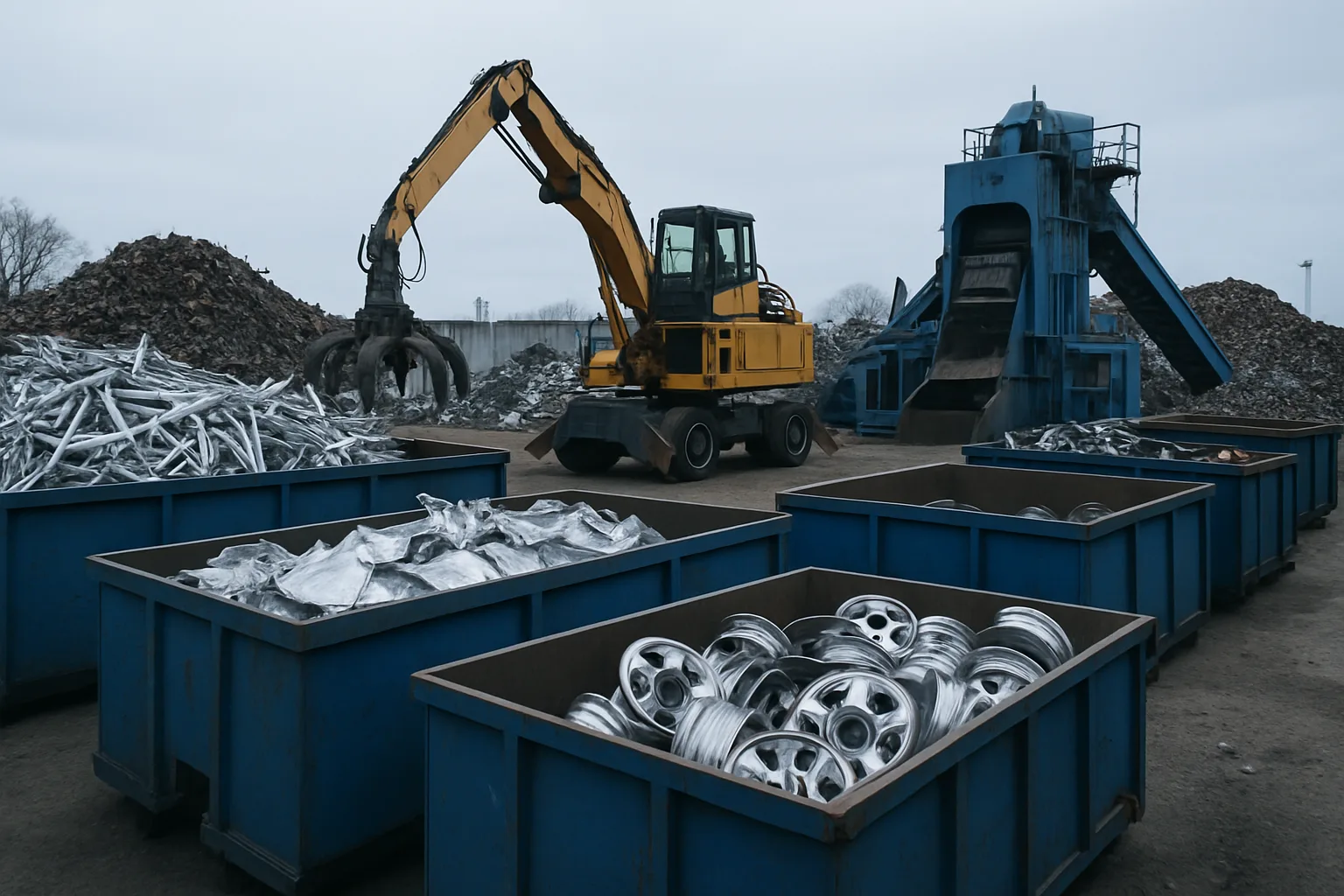
In Trois-Rivières and across Quebec, aluminum scrap from auto salvage operations — wheels, engine components, transmission cases — represents a significant portion of non-ferrous volume. Buyers pay differently for castings versus extrusions versus shredded. If your packing list doesn't distinguish between them, you're pricing yourself at the lowest common denominator.
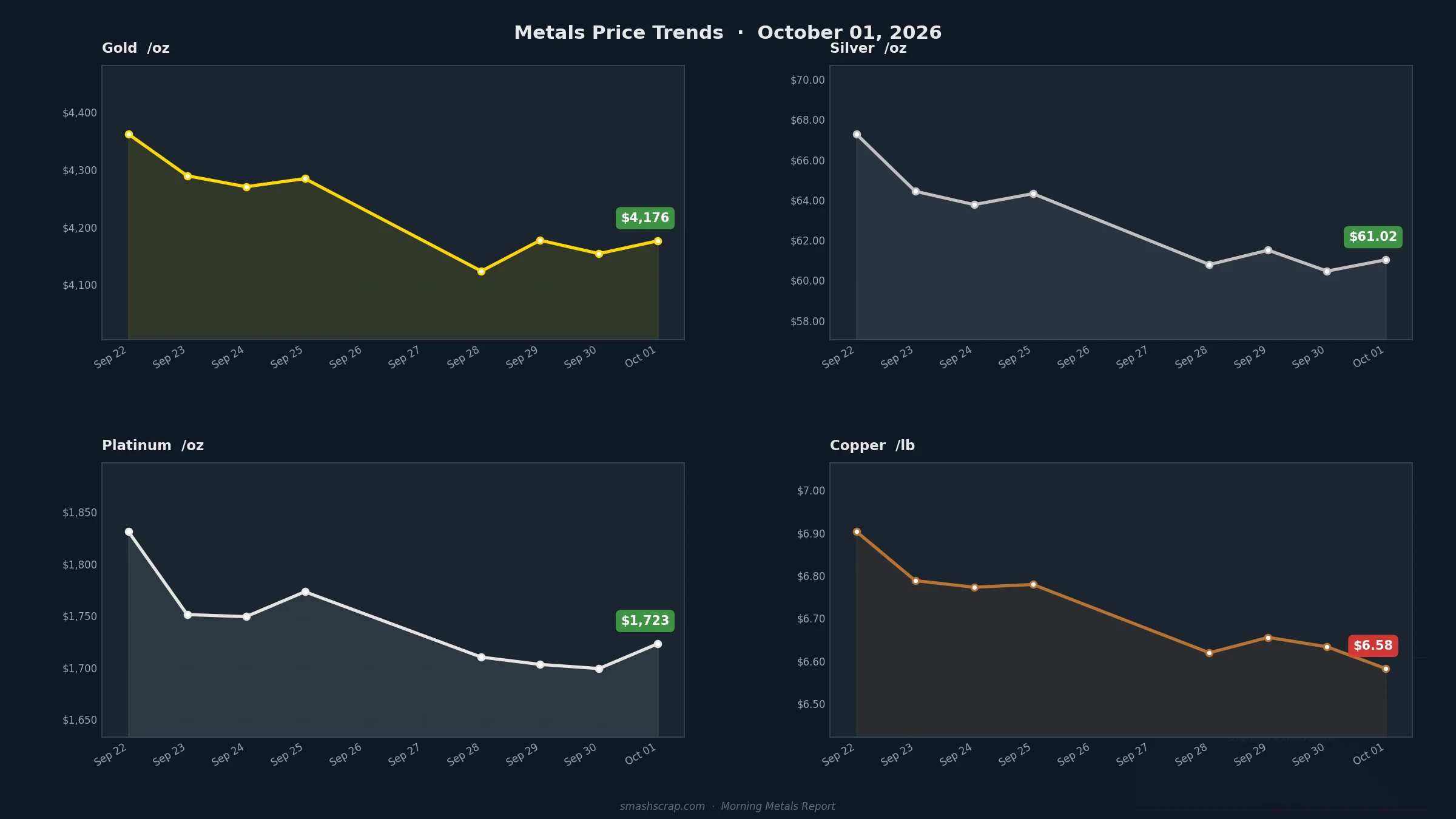
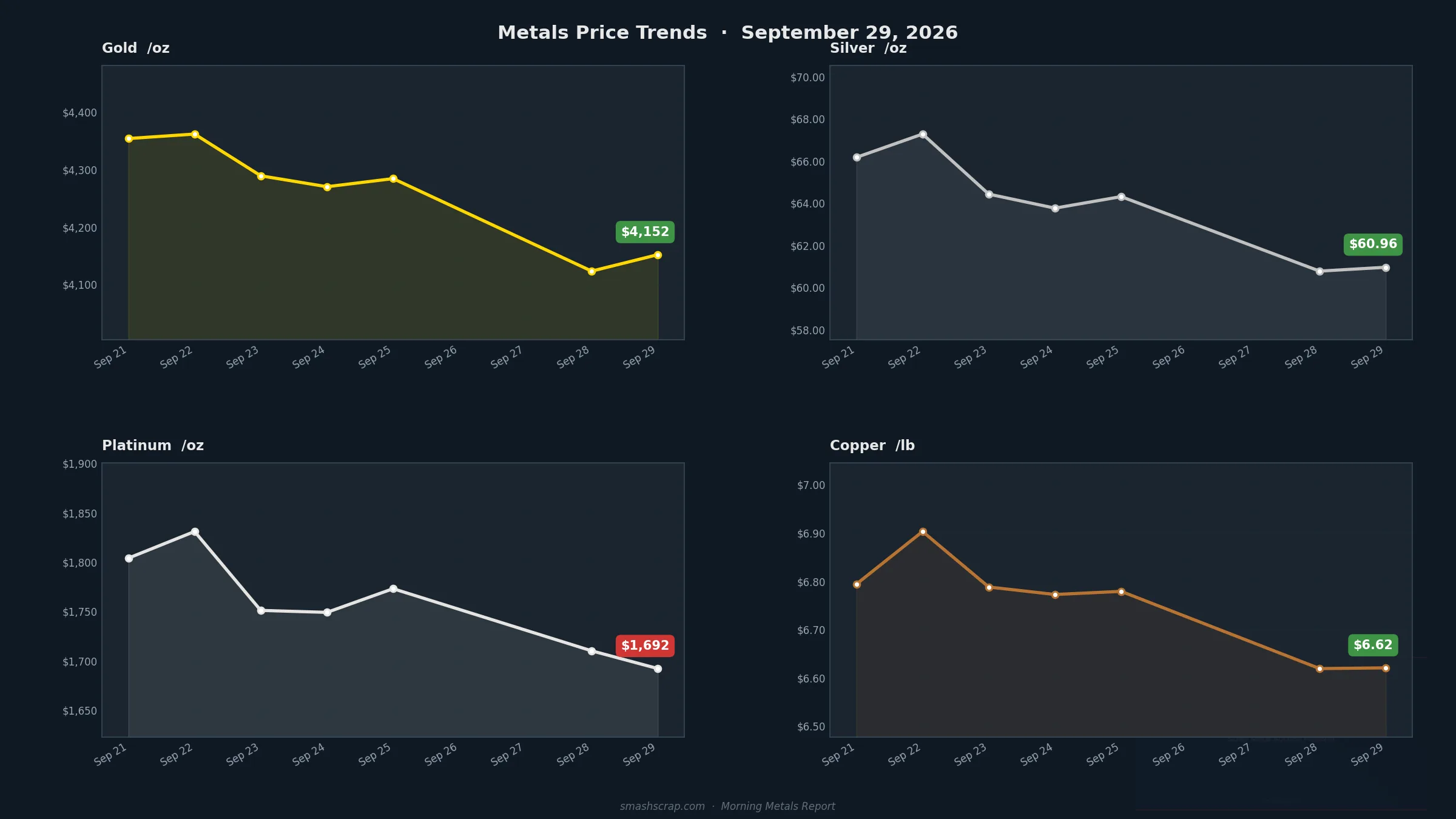
Copper scrap prices in Canada remain strong as of mid-2026, supported by grid infrastructure buildout and EV charging network expansion. Bare bright copper continues to attract premium bids, but insulated wire, #2 copper, and light copper all have distinct buyer segments. Knowing which buyers value which grades — and having the documentation to support your claims — drives real price improvement.
Catalytic converter prices are in a different category. Platinum, palladium, and rhodium are precious metals traded globally, and their prices move fast. A converter worth $180 CAD one month could be worth significantly more or less the next, depending on PGM (platinum group metal) spot prices. If you're selling cats without VIN lookup and serial tracking, you're guessing — and buyers know it. Documented converters with verified vehicle data give buyers confidence to bid aggressively.
For yards serious about staying current on scrap metal prices today, the approach has to be systematic. Track LME benchmarks. Track PGM spot prices. Use platforms that give you access to multiple buyers bidding simultaneously — that's where real price discovery happens. You can read the latest from SMASH Recycling for ongoing market updates and practical guidance.
The B2B Scrap Metal Marketplace Model: Why Competition Changes Everything
Here's the honest truth about single-buyer relationships: they're comfortable for the buyer, not for you. When one buyer calls, you hear one number. That number reflects what they want to pay, not what the market will bear. It's been that way for decades in scrap, and most yards have accepted it as normal.
The B2B scrap metal marketplace model flips that dynamic. Instead of one call, you get vetted buyers competing. Instead of guessing, you get actual bids tied to your specific inventory — documented with photos, weights, serial numbers, and BOLs. That documentation isn't just paperwork. It's what gives buyers enough confidence to bid without hedging against uncertainty.
SMASH is built on this model. No subscription fees. No lock-in. You list your load — whether it's a pallet of aluminum extrusion, a drum of #1 copper, a batch of cats with VIN-verified data, or a full auto salvage load — and vetted buyers across Canada see it and bid. The auction format means price discovery happens in the open. More buyers means better price discovery. It's not complicated, but it requires a platform built for the way scrap actually moves.
For yards in Trois-Rivières and across Quebec, this matters because regional buyer pools are smaller. A single-buyer relationship in a city of 160,000 is a significant constraint. Expand that buyer pool nationally through a platform like SMASH, and you're no longer limited by geography. A buyer in Ontario or Alberta might pay significantly more for your load than your local contact — especially for specialty materials like cats, copper, or sorted aluminum alloys.
If you're ready to move beyond one-call pricing, join Canada's B2B scrap marketplace on SMASH Recycling and see what competitive bidding actually looks like for your material.
Auto Salvage in Canada: Documentation Is the New Currency
Auto salvage in Canada has evolved. Regulatory pressure, insurance compliance, and buyer scrutiny have all pushed the industry toward better documentation practices. Organizations like the Automotive Recyclers of Canada (ARC) and Ontario's OARA (Ontario Automotive Recyclers Association) have championed standards that protect both sellers and buyers — VIN tracking, fluid management protocols, parts documentation. These aren't just compliance checkboxes. They're the foundation of a transaction a buyer can trust.
When you're selling auto-sourced scrap — catalytic converters, aluminum castings, copper wiring harnesses — the documentation quality directly affects what buyers will pay. A converter with a VIN, a make and model, and a photo is a different product than an anonymous unit in a barrel. SMASH's platform supports VIN lookup and serial tracking precisely because that data converts uncertainty into confidence, and confidence converts into higher bids.
Quebec's auto salvage sector feeds significant non-ferrous volume into the regional market. Yards in Trois-Rivières and surrounding areas process thousands of end-of-life vehicles annually. The material is there. The question is whether it's being documented and sold in a way that captures full market value — or whether it's moving through informal channels at prices that benefit the buyer more than the seller.
ARC's best practices and OARA's operational standards provide a useful framework, even for Quebec yards outside Ontario's regulatory jurisdiction. Adopting those documentation habits isn't just about compliance — it's about building the kind of transaction record that lets you access verified buyers who bid on your metal with real confidence.
How to Position Your Yard for Better Prices in Any Market
Market conditions shift. Aluminum prices soften. Copper spikes. Rhodium swings by hundreds of dollars per troy ounce. You can't control any of that. What you can control is how prepared your inventory is when conditions favor selling.
Here's a practical framework for yards looking to improve their position in the Canadian scrap metal market:
- Sort before you list. Mixed loads price at the worst material in the bin. Separated, graded material gives buyers a reason to bid up, not hedge down.
- Document everything. Photos, weights, grades, VINs for auto-sourced material. The more a buyer can verify without leaving their desk, the more aggressively they'll bid.
- Track commodity benchmarks weekly. LME aluminum and copper. PGM spot prices for cats. CAD/USD exchange rate. These numbers move your price whether you watch them or not.
- Use the auction format. A single buyer gives you one number. An auction gives you market price. Those are not the same thing.
- Build buyer relationships through volume and consistency. Vetted buyers on platforms like SMASH return to sellers who deliver what they document. Consistency builds bidder trust over time.
- Understand your freight cost to net value. A higher gross bid from a distant buyer might net less after shipping. Know your numbers before you accept.
None of this requires a degree in commodities trading. It requires discipline, documentation, and access to the right buyers. Explore SMASH Recycling's auction platform to see how the process works from listing to final invoice.
Frequently Asked Questions
Q: What aluminum grades are most commonly recycled in Trois-Rivières?
Auto salvage operations in and around Trois-Rivières produce significant volumes of aluminum castings (engine blocks, transmission cases), aluminum wheels, and mixed extrusion from end-of-life vehicles. Buyers price these grades differently — castings typically trade at a discount to clean extrusion. Sorting before listing matters.
Q: How does the B2B scrap metal marketplace model work for a yard in Quebec?
You list your inventory on a platform like SMASH, with photos, weights, and material grades documented. Vetted buyers across Canada see the listing and submit bids through an auction format. You review bids, accept the best offer, and the platform handles invoicing. No subscription fees — SMASH earns when the deal closes.
Q: Why do catalytic converter prices fluctuate so much in Canada?
Catalytic converter values are driven by the platinum group metals (PGMs) inside them — platinum, palladium, and rhodium. These metals trade on global commodity markets and can move significantly based on mining supply, auto industry demand, and macroeconomic conditions. Documenting your cats with VIN and serial data gives buyers more confidence to bid at full value rather than hedging against uncertainty.
Q: Is copper scrap pricing in Canada tied to global markets?
Yes. Canadian copper scrap prices reference London Metal Exchange (LME) benchmarks, adjusted for local freight, grade, and buyer demand. The CAD/USD exchange rate also plays a role since LME pricing is USD-denominated. Tracking these benchmarks weekly gives you a clearer picture of when to hold and when to sell.
Q: Do industry organizations like ARC or OARA apply to Quebec scrap yards?
OARA is Ontario-specific, but the Automotive Recyclers of Canada (ARC) represents recyclers nationally, including Quebec. Their documentation standards and best practices are relevant to any Canadian yard processing end-of-life vehicles — and aligning with those standards generally improves buyer confidence and transaction quality regardless of provincial jurisdiction.
The Canadian scrap metal market rewards preparation. Sort your material. Document it properly. Stop selling to one buyer when an auction can show you what the market actually pays. If you're operating in Trois-Rivières or anywhere across Canada and you're ready to put competitive pressure on your next load, join Canada's B2B scrap marketplace on SMASH Recycling and register today.
Disclaimer: Scrap metal prices fluctuate based on commodity markets, regional demand, and exchange rates. Always check current rates before making selling decisions. Nothing in this article constitutes a price guarantee.
Follow SMASH on LinkedIn for ongoing market updates, pricing insights, and news from Canada's B2B scrap metal marketplace.