Thunder Bay Aluminum: Why Online Auctions Beat Phone Quotes
Most scrap yards in Thunder Bay still sell the same way they did twenty years ago. One buyer, one phone call, one price — take it or leave it. That works fine until you realize you might be leaving serious money on the table every single load.
The aluminum recycling Thunder Bay market is shifting. Buyers are moving online. And the yards that figure this out first are the ones winning on price discovery. Here's why the migration to online platforms is accelerating — and what it means for your operation.
The Old Way of Selling Scrap Is Costing You
Think about how a typical load gets sold. You call your buyer. They quote you a number. You either take it or make two more calls hoping someone bites higher. That's the whole process. There's no competition, no transparency, and no way to know if the number you got reflects what your material is actually worth in the current market.
In the Canadian scrap metal market, commodity prices move fast. Copper scrap prices swing with global demand. Palladium prices and rhodium prices can shift week to week based on automotive production cycles and currency fluctuations. Aluminum follows its own rhythm tied to energy costs, smelter capacity, and import dynamics. When you're selling based on a single verbal quote, you're not participating in a market — you're just accepting whatever number someone decided to give you that morning.
That gap between what you're paid and what your material is worth? That's margin leaving your yard, every single load.
Why Buyers Are Moving Online — And Why That Matters to Sellers
Buyers aren't switching to online platforms out of convenience alone. They're moving online because online platforms give them something the phone-call model never could: access to consistent, documented inventory across multiple sellers at once.
A buyer sourcing catalytic converters from Ontario yards used to make thirty cold calls a week, deal with inconsistent descriptions, and spend hours chasing loads that weren't what they were told. On a B2B scrap metal marketplace, that same buyer can see photo documentation, serial tracking, VIN lookups, and accurate inventory lists before they ever make an offer. They move faster. They bid more confidently. And when buyers are competing for clearly documented material, sellers benefit directly.
This shift is showing up in every major metal category:
- Catalytic converters — buyers want serial numbers, photos, and assay confidence before committing to catalytic converter prices today. Platforms that provide this documentation attract more serious bids.
- Non-ferrous metals — aluminum, copper, brass. Buyers sorting through grades remotely need accurate descriptions and weights. Documented loads close faster.
- Cores and automotive parts — automotive recyclers in Ontario are increasingly sourcing online because it's faster and more reliable than local-only networks.
When buyers trust the platform, they show up consistently. More consistent buyers mean more competition on your material. More competition means better price discovery — not a guarantee of a higher number, but a real shot at understanding what your load is actually worth in the open market.
What Thunder Bay Yards Are Up Against Without Online Access
Geography matters in this industry. Thunder Bay sits at the top of Lake Superior — a natural hub for Northwestern Ontario material, but also a market where the buyer pool can feel limited if you're working the old way. If your operation only reaches the buyers in your immediate area, you're not accessing the full demand that exists for your material across Ontario and the rest of Canada.
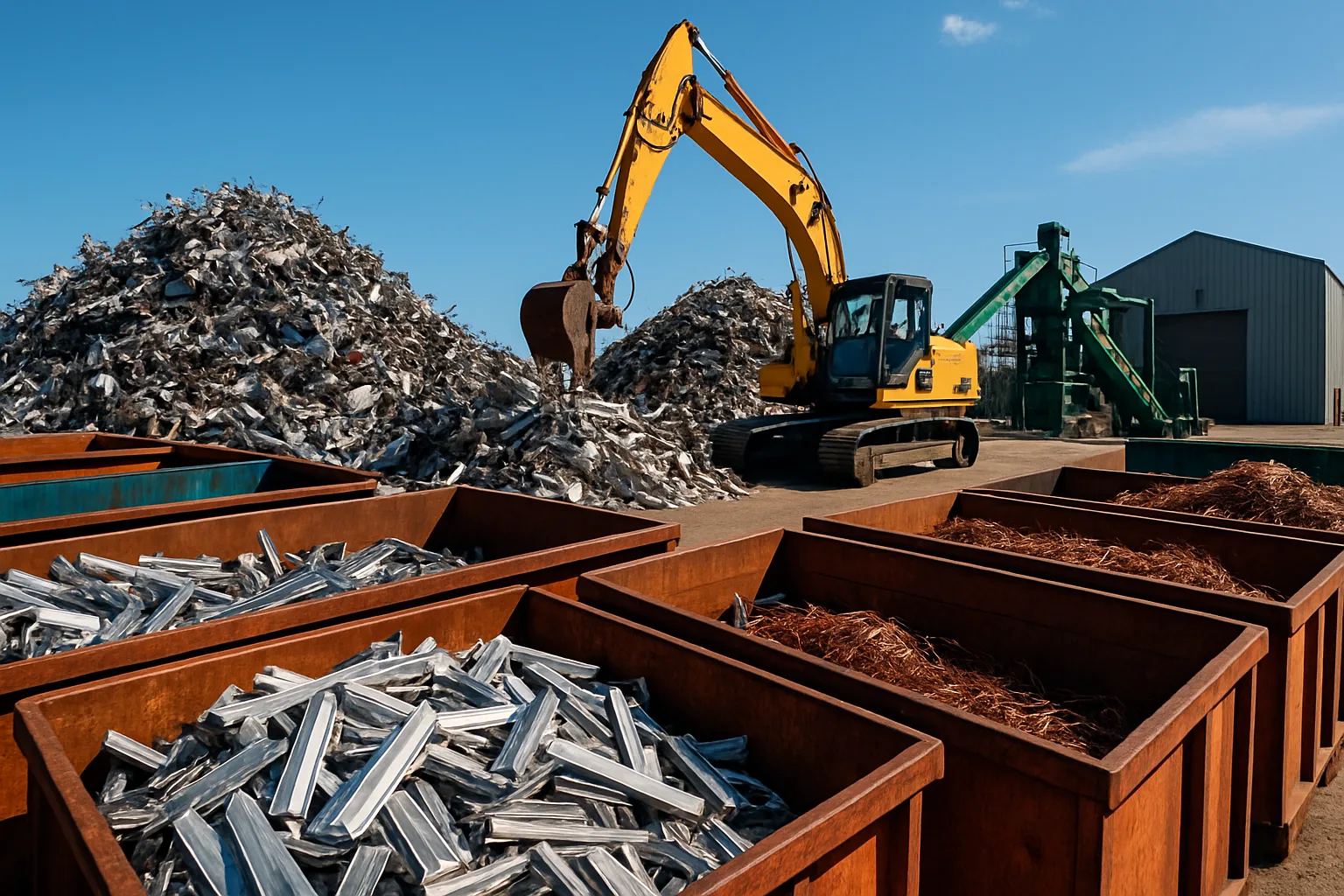
Aluminum recycling in Thunder Bay has real volume. Auto shred, extrusions, cast aluminum, UBC — the material is there. But the value of that material doesn't care where it was generated. A buyer in Southern Ontario, Quebec, or across the border might pay more for a documented load of clean aluminum than the local buyer who's been getting your material by default for years.
Online platforms dissolve the geography problem. Your load in Thunder Bay competes for the same buyer attention as material coming out of Toronto or Calgary. The Thunder Bay scrap metal services available through SMASH give local yards access to a vetted national buyer network — without cold calls, without chasing, and without the guesswork.
Organizations like the Ontario Automotive Recyclers Association (OARA) and the Automotive Recyclers of Canada (ARC) have long advocated for transparent, documented transactions in the recycling industry. The shift toward online platforms aligns directly with those standards — better documentation, cleaner chain of custody, and less room for pricing ambiguity.
How a Scrap Metal Auction Works — And Why It Changes the Math
A scrap metal auction isn't complicated. You list your material with photos, weights, grade descriptions, and any relevant documentation — VINs for automotive material, serial numbers for cats, packing lists for non-ferrous loads. Vetted buyers on the platform see your listing and compete for it. You see what the market is willing to pay, in real time, from multiple buyers at once.
That's it. No subscription fees. No monthly platform costs eating into your margins before a single load sells. SMASH operates on a model where the platform only wins when the seller wins — meaning you're not paying to list, you're not paying to browse buyers, and you're not locked into anything.
Here's what changes when you move from single-buyer calls to a competitive auction format:
- Price discovery becomes real. You stop guessing what your material is worth and start seeing actual market demand reflected in competing bids.
- Documentation protects you. Photo records, weights, and serial tracking create a paper trail that protects both sides of the transaction and reduces disputes.
- Your buyer pool grows. Instead of three buyers in your contact list, you're reaching vetted buyers across the Canadian scrap metal market and beyond.
- Auto-invoicing cleans up your back office. BOLs, packing lists, and GST/HST documentation handled through the platform means less admin time chasing paperwork.
The inventory tool inside SMASH lets you manage your listings, track material by category, and maintain documentation standards that serious buyers expect. For yards handling catalytic converters, the serial tracking and photo documentation features directly address what buyers need to bid confidently — which is exactly what drives competitive offers.
What the Canadian Scrap Metal Market Looks Like in 2026
The B2B scrap metal marketplace in Canada is consolidating around transparency. Buyers who used to work entirely off relationships and verbal agreements are increasingly requiring documentation before committing to loads. Yards that can't provide it are getting passed over for those that can.
Metal prices in 2026 continue to reflect global volatility. Copper scrap prices, platinum prices, and palladium prices are all sensitive to automotive production data, EV adoption rates, and international trade dynamics. Rhodium remains tightly tied to autocatalyst demand. Aluminum pricing tracks energy costs and Chinese smelter output. None of these are markets where a single buyer's verbal quote is a reliable indicator of where the market actually sits.
If you're a yard in Ontario trying to figure out if you're getting fair value on your non-ferrous material, the answer isn't to make more phone calls. The answer is to put your material in front of more buyers simultaneously and let competition do the work. That's the structural advantage of a B2B scrap metal marketplace — and it's what separates the yards that know their market from the yards that just hope they do.
For yards still searching for a scrap metal recycling depot near me approach that scales, the shift online isn't about abandoning local relationships. It's about adding to them. Your existing buyers don't disappear — they just have to compete.
Getting Started With SMASH in Thunder Bay
If you're running a yard in Thunder Bay or anywhere in Northwestern Ontario, the barrier to getting started is lower than you think. SMASH doesn't require a subscription, doesn't lock you into long-term commitments, and doesn't demand you move every load through the platform. You list what you want, when you want, and see what the market offers.
The onboarding process is straightforward. You'll set up your inventory, document your material using the platform's photo and serial tracking tools, and connect with vetted buyers who are already active on the platform. For automotive recyclers Ontario-wide are already using, SMASH's VIN lookup and catalytic converter documentation tools mean less back-and-forth with buyers and cleaner, faster transactions.
The yards getting the most out of online platforms aren't the ones with the most volume. They're the ones that document their material properly and let competition reveal the price. That's available to any yard in Thunder Bay right now.
If you're ready to stop guessing what your scrap is worth and start finding out, join Canada's B2B scrap marketplace on SMASH Recycling and see what competitive bidding looks like for your material. You can also explore how North America's B2B scrap metal auction platform connects sellers with serious buyers across the continent — or read the latest from SMASH Recycling for market insights, platform updates, and industry news. And to stay current on scrap metal market shifts, follow SMASH on LinkedIn for regular industry updates.
Frequently Asked Questions
Q: Is aluminum recycling in Thunder Bay worth doing at scale through an online platform?
Yes — if you're generating consistent volume of aluminum (auto shred, extrusions, cast, or UBC), an online auction platform gives you access to buyers beyond your local market. That expanded buyer pool is what drives genuine price discovery on your material. Documented loads of clean aluminum attract more competitive bids than undocumented verbal quotes.
Q: How do I know if I'm getting a fair price for my scrap metal in Thunder Bay?
The honest answer is: you don't know if you're only talking to one buyer. Fair pricing in scrap comes from competition — multiple buyers bidding on the same documented load. An online B2B scrap metal marketplace like SMASH creates that competition, which is the closest thing to a real market price you can get outside of a commodity exchange.
Q: Do I need to pay a subscription to sell on SMASH?
No. SMASH doesn't charge subscription fees. The platform operates on a model where costs are tied to successful transactions — meaning you're not paying to list or browse. If a load doesn't sell, you haven't paid for the attempt.
Q: What types of scrap can I list through a B2B scrap metal marketplace in Canada?
Most major categories are supported — catalytic converters (with serial tracking), non-ferrous metals like copper and aluminum, automotive cores, and ferrous loads with proper documentation. For catalytic converters specifically, photo documentation and serial numbers are critical for attracting confident buyer bids.
Q: Are there industry standards I should follow as a scrap metal recycler in Ontario?
Yes. Organizations like the Ontario Automotive Recyclers Association (OARA) and the Automotive Recyclers of Canada (ARC) set best practices for documentation, chain of custody, and responsible recycling. Using a platform like SMASH that requires photo documentation and accurate inventory listing aligns your operation with those standards and makes you a more attractive seller to serious buyers.